
Building a house is part engineering, part art and part negotiation—and it rewards patience and good planning. This guide walks you through the entire home building process from the first sketch to the day you set the boxes on the floor. Read it like a map: take the broad view, then zoom into the details that matter for your site, budget, and lifestyle.
Why a clear process matters
Without a plan, small decisions multiply into confusion and cost overruns. A clear process keeps timelines realistic, contracts enforceable, and expectations aligned between you and the builder.
Homes are complex assemblies of materials, trades, and permits. Knowing the sequence of work—what comes before what—helps you spot problems early and choose where to invest for the biggest payoff.
Overview: stages of building a home
At a high level, building a house follows predictable stages: planning and financing, design and permits, site work and foundation, framing and shell, mechanicals and insulation, finishes and systems, inspections and occupancy. Each stage contains many decisions and checkpoints.
Keep this sequence in mind as you read the deeper sections below. It’s the spine of the whole project and will help you track progress and communicate with contractors.
Step 1 — planning, goals, and budget
Start by clarifying what you want and what you can afford. List non-negotiables—bedroom count, accessibility needs, energy goals—and rank desirable features like a sunroom or a high-end kitchen.
Budgeting here means more than a target number. Break the total into land, construction, design/permit fees, contingency (usually 5–10%), and soft costs such as landscaping and furniture. That breakdown informs realistic design choices before plans are drawn.
Decide who will manage the project. Do-it-yourself owners, owner-builders, design-build firms, and general contractors all shift responsibilities and risk differently. Your tolerance for involvement determines the path.
Step 2 — financing and cost planning
Most new-builds are financed through construction loans that convert to mortgages or through a combination of savings and mortgages. Lenders will need plans, a detailed budget, and a schedule before approving funds.
Shop lenders early and compare rates, draw schedules, and required documentation. The draw schedule—how the lender releases funds at milestones—shapes cash flow and often influences construction scheduling.
Expect to provide a larger down payment for raw land or custom builds versus production homes. Factor in interest reserve on construction loans, which covers interest payments during the build phase.
Step 3 — selecting land
Location defines most constraints: setbacks, soil type, flood risk, access to utilities, and local building codes. Walk the site at different times of day to observe sun, wind, and noise conditions before committing.
Run a site feasibility study that includes topography, soil testing (geotechnical report), septic or sewer availability, and utility access. The geotechnical report can change foundation type and costs significantly.
Consider orientation for passive solar gain and privacy. Even modest shifts in siting can improve daylighting, reduce excavation costs, and lower long-term energy use.
Step 4 — choosing a design approach
You can hire an architect, use a design-build firm, modify a stock plan, or buy a production home from a builder offering set floor plans. Each route trades customization for cost and speed.
Architects excel when you need a custom response to a tricky site or have strong aesthetic priorities. Design-build teams simplify communication by combining design and construction under one contract, which can reduce change orders.
If budget certainty is your priority, production builders offer predictable pricing but less flexibility. Whatever you choose, review examples of completed work and ask for client references.
Step 5 — schematic design and budgeting refinement
Schematic design captures the footprint, room layout, and general elevations. It’s the phase to test ideas: which walls are structural, how rooms flow, where windows go, and what exterior materials you prefer.
Pair schematic drawings with a preliminary budget. A good builder or estimator will produce a cost model that ties major systems and finishes to budget lines. Expect adjustments—schematics rarely match final budgets on the first pass.
Use value engineering early to save money without sacrificing function. Simple changes—reducing roof complexity, standardizing window sizes, or choosing a more common cabinet style—often deliver significant savings.
Step 6 — detailed design and construction documents
Construction documents (CDs) translate design intent into working drawings: floor plans, sections, elevations, structural details, and MEP (mechanical/electrical/plumbing) layouts. These are what contractors bid from and building departments review.
Invest in clarity here. Missing or ambiguous details become expensive change orders later. CDs should specify materials, finishes, and performance criteria for major systems like insulation values and HVAC sizing.
If energy efficiency or sustainability is a priority, include specifications for insulation, windows, ventilation, and renewable systems. Clear documentation ensures bids reflect those goals rather than guesses.
Step 7 — permits and approvals
Submit the construction documents to the local building department for plan review and permits. The review process varies widely in time and strictness depending on jurisdiction and whether separate permits are required for trades.
Anticipate corrections and resubmissions. Plan reviewers often require changes for code compliance, drainage, or accessibility. Factor this time into your schedule rather than assuming a quick approval.
HOA reviews, historical commissions, environmental permits, or rural septic permits can add parallel approval steps. Assemble the list early and track each permit with deadlines and responsible parties.
Step 8 — hiring the builder and negotiating the contract
Selection should be based on price, reputation, communication, and the quality of previous work. Interview multiple builders, tour homes they completed, and check references for responsiveness and warranty follow-through.
Contracts should clearly state scope, schedule, payment terms, allowances, and how change orders are handled. A fixed-price contract reduces budget uncertainty but requires precise construction documents. A cost-plus contract provides transparency but needs a cap or strong oversight to avoid overruns.
Include a realistic completion date and liquidated damages clause if timeliness matters. Also specify warranty terms: what is covered, for how long, and who handles post-occupancy issues.
Step 9 — pre-construction planning
Pre-construction meetings align the project team—owner, architect, builder, and major subcontractors. Discuss sequencing, staging areas, access roads, and special site constraints like tree protection or limited parking.
Create a procurement schedule for long-lead items: windows, appliances, custom cabinets, and HVAC equipment. Late procurement is a common source of delays; ordering early often saves time and money.
Decide how allowances and selections will be handled. Clear deadlines for owner selections prevent hold-ups on the critical path; late choices usually cause change orders or forced substitutions.
Step 10 — site preparation and foundation
Site work begins with clearing, grading, and installing erosion control. Proper drainage planning at this stage protects the foundation and reduces landscaping headaches later.
Foundation choices—slab-on-grade, crawlspace, basement—depend on site conditions, climate, and cost. The geotechnical report informs foundation depth, reinforcement, and drainage requirements.
Foundation work includes forming, pouring concrete, installing footings, and waterproofing. Slab insulation and radiant tubing, if included, are installed before pouring, so confirm these systems early.
Step 11 — framing the shell
Framing transforms lines on paper into a skeleton you can touch. This stage is visually dramatic: walls, floors, and roof come up quickly and begin to define spaces and light patterns.
Quality framing affects everything that follows. Square, level walls simplify installation of doors, windows, finishes, and cabinetry. Inspect framing for alignment and structural details before drywall starts.
Coordinate rough openings for windows and doors, and verify roof sheathing and flashings. Weatherproofing the shell—house wrap, flashing, and roof underlayment—protects interior work from moisture damage.
Step 12 — roofing, windows, and exterior closure
Installing the roof and windows makes the home “dried-in,” allowing interior trades to proceed regardless of weather. Choose windows for thermal performance, daylighting, and views rather than visual appeal alone.
Exterior finishes—siding, brick, stucco, or a combination—are installed after the house is enclosed. Pay attention to flashing details where materials meet; those details prevent the majority of later water intrusion problems.
Consider exterior durability and maintenance. Fiber cement, metal, and properly detailed masonry often outperform painted wood in longevity, though they may be costlier initially.
Step 13 — rough mechanicals: plumbing, electrical, HVAC
With the shell closed, plumbers, electricians, and HVAC techs install rough systems. These include water lines, drainage, electrical wiring, circuit panels, ductwork, and HVAC equipment placement.
Rough-in is the time to confirm the location of fixtures, outlet counts, and thermostat placement. Changes after drywall often require cutting and patching, which adds cost.
Insist on code-compliant installations and request that subcontractors produce test results or pressure test records for plumbing and HVAC where applicable.
Step 14 — insulation and drywall
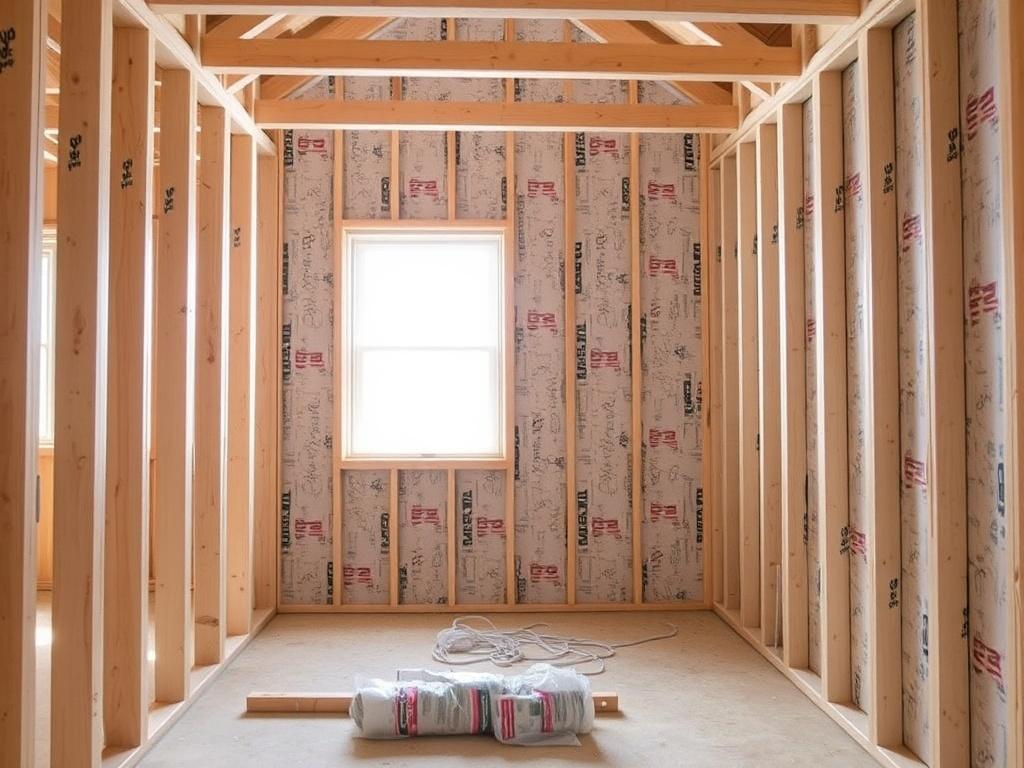
Insulation choices—batts, blown-in, spray foam—impact comfort, energy bills, and indoor air quality. Select insulation based on climate, budget, and performance targets for R-values and air sealing.
After insulation, drywall is hung, taped, and finished. The quality of drywall finishing affects paint appearance and trim fit. Run a thorough walk with the superintendent to mark imperfections before final sanding and priming.
Consider acoustic treatments where needed. Filled assemblies, resilient channels, or additional insulation can significantly reduce noise transmission between rooms and floors.
Step 15 — interior finish work
Finishes define the personality of the home: flooring, cabinetry, countertops, trim, paint, and hardware. This stage requires intense coordination because many trades overlap and share workspace.
Install cabinets, millwork, and countertops early in the finish phase to protect them during subsequent work. Flooring often goes in after cabinets in kitchens and baths to allow countertop installers to work smoothly.
Keep a decisions log with product codes and finishes to avoid errors. A simple slate tracking paint colors, trim profiles, and tile sizes saves headaches during the punch-list phase.
Step 16 — final systems and commissioning
With finishes nearly complete, mechanical systems are balanced, commissioning is performed, and testing is documented. HVAC is adjusted to achieve targeted airflow and temperature control.
Commissioning also covers hot water systems, ventilation, controls, and any renewable energy components. Proper commissioning improves performance and reduces callbacks after move-in.
Request operation manuals, warranty documents, and a systems orientation from the builder. Understanding basic maintenance and filter schedules prevents unnecessary service calls later.
Step 17 — inspections, approvals, and certificate of occupancy
Throughout construction, municipal inspectors check work at key milestones: foundation, framing, mechanicals, and final. Passing inspections is mandatory for legal occupancy in most jurisdictions.
Address any deficiencies promptly. Some jurisdictions issue conditional certificates or require follow-up inspections; track these tasks carefully to avoid occupancy delays.
Once all inspections pass, the building department issues a certificate of occupancy or final approval. This document is often required by lenders and utilities before services are fully activated.
Step 18 — punch list and walk-through
The punch list catalogs small items to correct before final payment: paint touch-ups, caulking, misaligned cabinets, or minor trim gaps. Do the initial walk-through with the superintendent while the project is fresh.
Document each issue with photos and clear descriptions. Set realistic deadlines for corrections and withhold a small retainage in your final payment until the punch list is complete.
Expect some minor settling or shrinkage after a few months; many builders offer a 30- to 90-day follow-up walk to catch issues that appear after initial occupancy.
Step 19 — landscaping, exterior grading, and final site work
Final site work improves drainage, prevents erosion, and creates usable outdoor spaces. Grade the site away from foundations, install hardscapes, and add plantings that suit your local climate and maintenance preferences.
Consider sustainability when choosing landscaping: native plants, permeable paving, and rain gardens manage stormwater and reduce irrigation needs. These choices lower long-term maintenance and water bills.
If fencing or external structures were not part of the main contract, coordinate their installation so final access and site cleanup are not delayed.
Step 20 — move-in, warranties, and maintenance planning
Plan your move around the certificate of occupancy and punch-list completion. Protect new finishes during move-in with protective coverings and a careful furniture plan.
Keep a file with warranties, appliance manuals, and the as-built drawings. Note warranty periods and when to schedule routine maintenance like HVAC servicing and gutter cleaning.
Many builders offer a one-year warranty on work; however, structural items often have longer statutory warranties. Understand how to request warranty service and keep communication in writing for records.
Common pitfalls and how to avoid them
Underestimating timelines is the most common issue; weather, permit delays, and late material deliveries add time. Build cushion into your schedule and plan important life events after completion dates.
Poor communication causes frustration and mistakes. Set regular check-ins, use a shared document or project management tool, and keep a single point of contact for decisions.
Scope creep—adding features mid-build—quickly inflates costs. Lock in major decisions before construction and if changes are necessary, quantify cost and schedule impact before approving.
Practical tips for better decisions
Prioritize permanent features over trendy finishes if budget is limited. Invest in a durable roof, good windows, and efficient mechanical systems before upgrading faucets or tile patterns.
Mock up critical spaces—kitchen layouts, bathroom vanities, closet systems—using cardboard or tape on the floor. A physical mock-up reveals ergonomic and flow issues that drawings might not show.
Plan storage thoughtfully: built-ins, mudroom solutions, and attic or basement systems add value and reduce clutter. Storage is often overlooked until move-in when its absence is painfully obvious.
Timeline and milestone checklist
Below is a simplified timeline many builders follow. Your project will vary, but this checklist helps track progress against typical milestones.
| Milestone | Typical duration | Notes |
|---|---|---|
| Design & permits | 1–4 months | Depends on complexity and jurisdiction |
| Site work & foundation | 2–6 weeks | Soil conditions can extend this |
| Framing & shell | 2–6 weeks | Rapid visual progress |
| Rough mechanicals | 2–4 weeks | Sequenced with inspections |
| Insulation & drywall | 2–4 weeks | Allow drying time for finishes |
| Finishes & systems | 4–12 weeks | Highly variable depending on scope |
| Punch list & occupancy | 1–4 weeks | Final inspections and touch-ups |
Typical cost categories and percentage ranges
Costs vary by region and quality level, but these categories provide a starting point to allocate funds during budgeting and design choices.
| Category | Percentage of construction cost |
|---|---|
| Site work and foundation | 10–15% |
| Shell (framing, roof, windows) | 20–30% |
| Mechanical systems (HVAC, plumbing, electrical) | 15–25% |
| Finishes (cabinets, counters, flooring) | 20–30% |
| Exterior finishes and landscaping | 5–10% |
| Soft costs & permits | 5–15% |
Real-life example: my own build experience
I built a small custom house on a challenging sloped lot, and the lessons are still useful. The geotechnical report added a few thousand dollars for under-slab drainage, but caught a clay seam that would have caused settlement problems later.
An early decision to simplify the rooflines saved both framing and roofing dollars. We redirected funds into larger south-facing windows and upgraded insulation, which reduced monthly energy bills noticeably.
Communication was the hero of the project. Weekly site photos, a shared document for selections, and one on-call superintendent minimized surprises and kept the final punch list manageable.
Energy, sustainability, and long-term performance
Think of energy improvements as investments that lower operating costs. Prioritize a tight envelope, good windows, efficient heat systems, and balanced ventilation for the best combination of comfort and savings.
Insulation and air sealing typically deliver higher returns than fancy appliances. Consider commissioning for energy systems to ensure they perform as intended from day one.
If pursuing certifications like Passive House or LEED, involve specialists early. Certification requirements affect design decisions and documentation from the start.
Working with trades and subcontractors
Respect subcontractors’ schedules and provide clear, timely decisions. A late change to a cabinetry layout, for instance, can idle a tile crew or carpenter, creating cascading delays.
Quality tradespeople value clear scopes, fair pay, and safe work sites. Build good relationships and they’ll often suggest practical improvements and catch errors before they become expensive.
When possible, hire local contractors familiar with climate and codes; they bring practical solutions for common regional issues like frost heave, humidity control, or hurricane ties.
Insurance, liability, and risk management
Carry builder’s risk insurance during construction and verify subcontractors’ liability and workers’ compensation coverage. Accidents and weather damage can be costly without proper insurance in place.
Confirm which party is responsible for theft or vandalism on site. Many contracts make the owner responsible for on-site materials, so consider secure storage or builder-provided protection.
Retain documentation of safety measures and incident reports. They protect you and the builder should disputes arise or if a lender requests records.
After the keys: making the house a home
Moving in is the end of one project and the start of another: adapting the house to your routines. Prioritize unpacking essentials and living spaces, and defer decorative projects that will only add stress.
Keep a maintenance calendar for seasonal tasks: servicing HVAC, checking roof flashings, cleaning gutters, and inspecting seals around windows and doors. Small maintenance now prevents major repairs later.
Collect feedback from occupants after three and twelve months. Small adjustments—like changing thermostat programming or adding weatherstripping—often deliver outsized improvements in comfort.
When things go wrong: dispute resolution tips
Most issues are fixable with calm, documented communication. Start by writing a clear summary of the problem, including photos, dates, and steps requested to remedy it.
Use contractually agreed dispute resolution paths: mediation, arbitration, or legal remedies. Mediation often preserves relationships and is quicker and less expensive than litigation.
Keep records of all correspondence and change orders. Documentation is your strongest defense if disagreements escalate to formal claims.
Final checklist before you pay final invoice
Confirm all inspections passed and a certificate of occupancy is issued. Ensure the punch list is complete and items have been corrected to your satisfaction.
Collect keys, as-built drawings, manuals, warranty certificates, and final lien waivers from major subcontractors. These documents protect you and simplify future repairs or resale.
Verify utility transfers, mail delivery, and required insurance updates. A last-minute missed step can create frustration on moving day, so tick off these administrative tasks early.
Where to go for help and reliable resources
Local building departments, state contractor licensing boards, and consumer protection agencies are essential resources for permits, contractor vetting, and dispute resolution. Use them before you need them so you know how they operate.
Trade associations and green-building councils provide guidance on best practices and certified professionals. Neighborhood tours or model-home visits also offer tangible examples you can examine before deciding.
Finally, neighbors who recently built are often the best unfiltered source of lessons learned; ask about timelines, unexpected costs, and the builder’s responsiveness during warranty periods.
Building a home is a marathon of choices rather than a single sprint. If you approach it with a clear process, realistic budget, and good communication, the result is a safer, more comfortable, and more satisfying place to live. Keep notes, stay involved where it matters most, and don’t underestimate the value of a well-written contract and a trustworthy team. With those pieces in place, your vision has the best possible chance of becoming a place you’ll enjoy for decades.