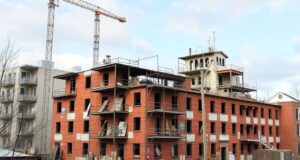
Construction sites hum with activity and potential—people, heavy equipment, changing conditions, and tight schedules all collide in close quarters. The margin for error is thin, and safety can’t be an afterthought or a checklist brushed off at the end of the day. This article walks through the practical, enforceable safety measures that keep workers alive and projects on track.
Why rigorous safety matters beyond compliance
Following rules isn’t just about avoiding fines; it’s about protecting lives and livelihoods. When a site operates safely, productivity rises because fewer disruptions happen, insurance premiums stabilize, and teams build trust in leadership and each other.
Financial arguments are persuasive, but human ones are the strongest. Families depend on workers returning home, and crews are more effective when they know risks are recognized and mitigated.
Understanding the legal and regulatory framework
In the United States, OSHA sets the baseline for most construction safety requirements, but state and local rules can add layers of obligation. Familiarity with relevant standards—fall protection, scaffolding, excavation, and electrical safety, among others—is essential for both contractors and subcontractors.
Permits and inspections often play a role before work begins. Failing to secure a permit for confined space entry or hot work can lead to work stoppages, citations, and serious danger to workers.
Preconstruction planning and hazard assessment
Safety starts on paper. A thorough preconstruction plan identifies hazards, defines control measures, and assigns responsibility. Plans should capture site-specific risks such as nearby traffic, overhead power lines, contaminated soil, and weather exposures.
Job hazard analyses (JHAs) and pre-task plans break down work into steps, identify potential hazards at each step, and select controls. These documents should be living tools—reviewed and revised as conditions change across the project lifecycle.
Permits, notifications, and documentation
Certain high-risk activities require formal permits: confined space entry, hot work, lockout/tagout, and excavation near utilities are common examples. A robust permit system ensures the right people review hazards before work begins and that controls are in place.
Documentation also creates an audit trail. Logs of inspections, training rosters, toolbox talks, and incident reports show that safety is managed proactively and provide evidence for continuous improvement and legal compliance.
Personal protective equipment (PPE): selection and enforcement
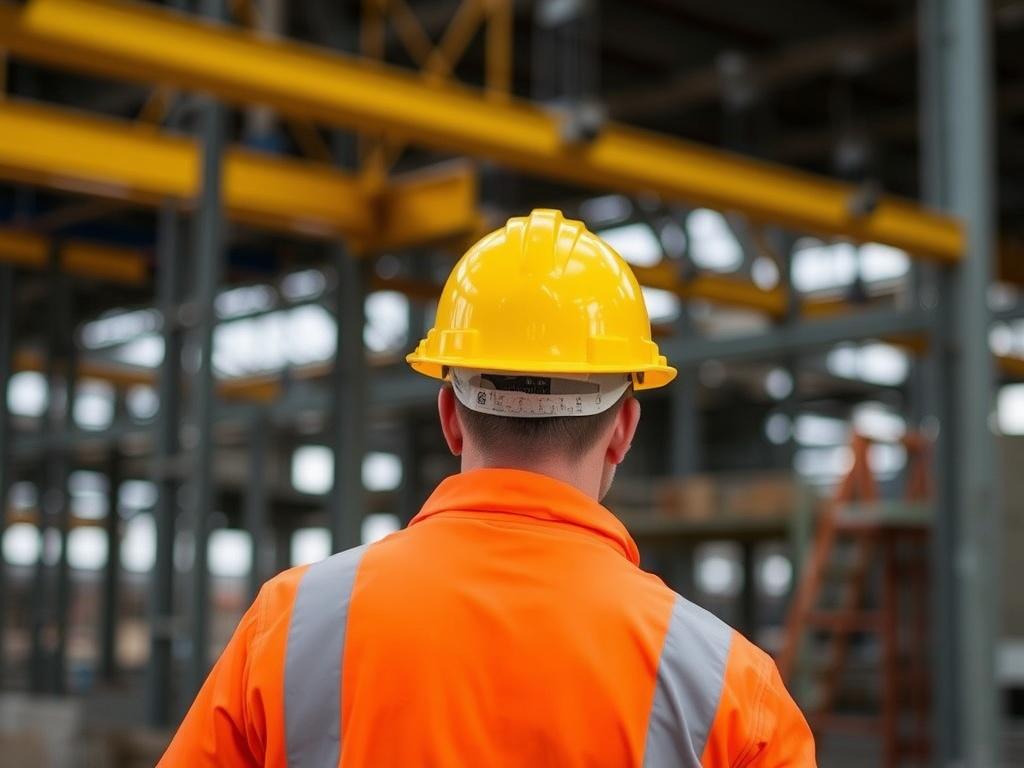
PPE is the last line of defense and should be chosen only after higher-level hazard controls are considered. Hard hats, safety glasses, high-visibility vests, gloves, and steel-toed boots are standard, but tasks may require respirators, face shields, or hearing protection.
Selection must be task-matched and size-appropriate. Enforcement is equally important—PPE left in lockers or used inconsistently offers no protection, so supervisors should model use and make replacement gear readily available.
Common PPE and typical applications
The table below summarizes common items and when they are typically required. Use it as a starting point, but rely on hazard assessments for final decisions.
| PPE | Typical use | Key considerations |
|---|---|---|
| Hard hat | Everywhere on site, especially under overhead hazards | Replace after impact or visible cracks; fit securely |
| Safety glasses/goggles | Work with flying debris, chemicals, or dust | Use side shields or goggles for splash protection |
| Hearing protection | Loud tools, heavy equipment, demolition | Choose earplugs or muffs by noise level and comfort |
| Respirators | Silica, fumes, asbestos, confined spaces | Fit testing and medical clearance where required |
| High-visibility clothing | Traffic, crane operations, low-light conditions | Class type based on proximity to moving vehicles |
Training and competency: the human foundation
Equipment and policies matter, but trained people make the system work. New-hire orientation, role-specific training, and refresher courses create baseline competency and help workers recognize hazards and control measures.
Training should be practical and hands-on whenever possible. Demonstrations, supervised practice, and walk-throughs are more effective than long slide decks, and assessments ensure comprehension before assigning high-risk tasks.
Daily safety routines: toolbox talks and tailgate meetings
Short, focused talks at the start of each shift keep safety top of mind and allow teams to address day-specific hazards. These gatherings should be interactive, target immediate risks, and be documented.
Topics might include specific controls for the day’s work, emergency procedures, and reminders about PPE. Encourage workers to bring up near misses and close calls—those conversations are learning opportunities that can prevent future incidents.
Fall protection: preventing the most common construction fatalities
Falls remain the leading cause of death in construction, so robust fall protection plans are nonnegotiable. Guardrails, safety nets, and personal fall arrest systems must be selected based on the work, with competent-person inspections and correct anchorage points.
Training in the use of harnesses and lanyards, as well as rescue procedures after a fall, is essential. Suspended workers can quickly suffer suspension trauma, so rescue plans must be finalized before work begins at height.
Scaffolding, ladders, and access safety
Scaffolds must be designed, erected, and inspected by competent persons, with proper access, guardrails, and load ratings. Many scaffold incidents stem from improper assembly or lateral instability caused by poor ties or uneven ground.
Portable ladders are useful but often misused; they should be the right size, set at the correct angle, and tied off when necessary. When a ladder isn’t the safest option, use a scaffold or an aerial lift instead.
Excavation and trench safety
Excavations require attention to cave-in hazards, underground utilities, and atmospheric risks in deep trenches. Protective systems such as sloping, shoring, and shielding must be employed based on soil type, depth, and proximity to loads.
Daily inspections by a competent person are mandatory, and secondary protective measures—such as access/egress ladders and barriers around excavations—reduce the chance of falls and entrapments.
Electrical safety and lockout/tagout
Electrocution risks are constant on active sites. Ensure clearances from overhead lines, de-energize circuits before work, and require ground-fault protection for temporary power systems. Grounding and GFCI use can prevent many incidents.
Lockout/tagout procedures are critical for maintenance and repairs on energized equipment. Only trained personnel should perform lockout/tagout, and the process must be verified before work begins.
Tools, machinery, and equipment safety
Power tools and heavy machinery need regular maintenance, guards in place, and trained operators. Daily pre-use inspections catch damaged cords, missing guards, or hydraulic leaks that can cause injuries or equipment failure.
Operator certification for cranes, forklifts, and aerial lifts should be current, and site-specific load charts and signaling protocols must be understood by the crew. Never improvise lifts—use rated rigging and a qualified rigger for complex loads.
Vehicle and traffic management on site
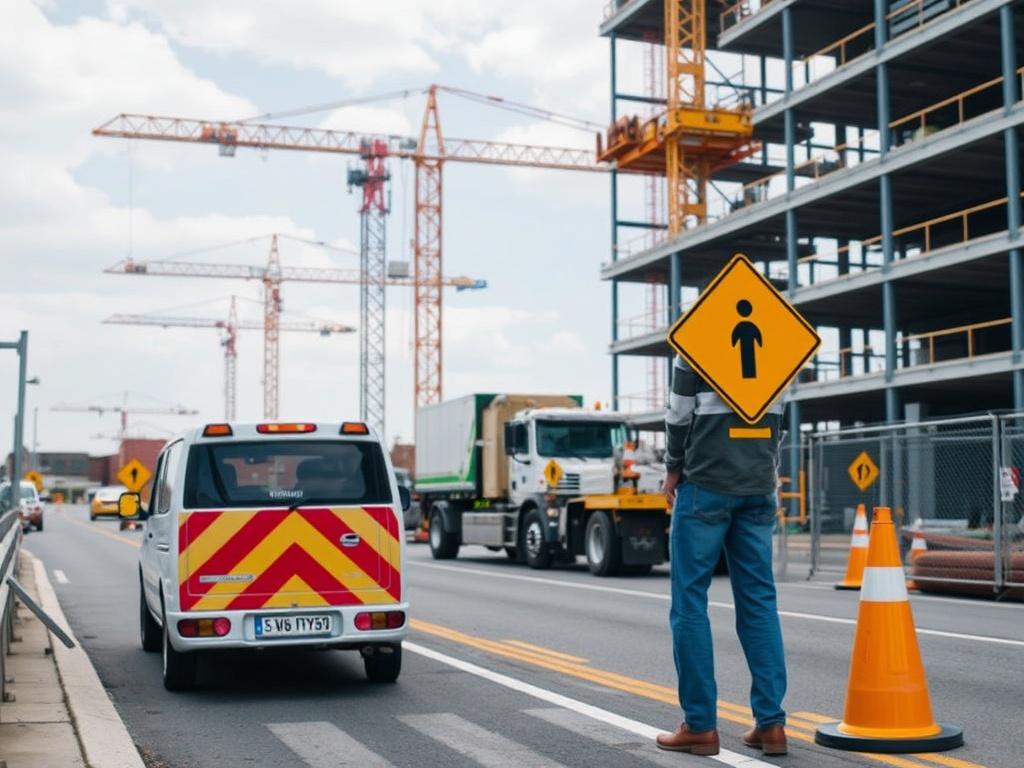
Many construction sites double as temporary traffic zones. Clear traffic control plans, physical separations, and spotters for backing vehicles reduce the risk of struck-by incidents. High-visibility apparel is mandatory for people working near moving equipment.
Designated walkways, speed limits, and staging areas for materials keep vehicle flow organized. Training drivers in site rules and establishing two-way communication between operators and ground workers are simple, effective measures.
Hazardous materials, silica, and asbestos management
Properly identifying, labeling, and storing hazardous materials prevents exposures and environmental contamination. OSHA standards require specific controls for crystalline silica, including wet cutting, HEPA vacuums, and respirators when necessary.
Asbestos and lead-containing materials require specialized abatement procedures and licensed contractors. When in doubt, test suspect materials before disturbance and follow regulatory disposal protocols.
Fire prevention and hot work controls
Hot work—welding, cutting, and torching—introduces ignition sources that can turn a controlled operation into a major fire. Permit systems limit hot work to controlled areas, mandate fire watches, and require fire extinguishers on hand.
Temporary fire protection, clear evacuation routes, and safe storage of flammable liquids reduce risk. Keep combustible waste cleared, and enforce no-smoking policies in hazardous zones.
Site housekeeping and material handling
Clutter and poor housekeeping are hazards that lead to trips, falls, and blocked egress. Daily cleanup routines should address debris, cords, and tools, and storage areas should prevent pile collapse or material shift.
Material handling techniques—mechanical aids, team lifts, and pallet management—reduce musculoskeletal injuries. Train workers in correct lifting mechanics and use carts or forklifts for heavy or awkward loads.
Emergency preparedness and first aid
Emergencies demand practiced responses. Clearly posted emergency contacts, maps showing muster points, and access to first-aid supplies speed response when an incident occurs. On larger sites, designated first-aid responders and onsite AEDs can save lives.
Drills for fire, severe weather, and evacuation should be scheduled regularly. Coordination with local emergency services, including site access procedures and staging areas, helps responders arrive prepared.
Incident reporting, investigation, and learning
Near misses are free lessons—capture them in reports and investigate causes without blame. Incident investigations should identify root causes and corrective actions, not merely assign fault, and findings must be communicated across the team.
Corrective actions should be tracked to completion and followed up with verification. A well-run close-the-loop process reduces repeat incidents and shows workers that reporting leads to change.
Drug and alcohol policies, fatigue, and fitness for duty
Substance impairment and fatigue are serious safety threats. Clear policies, random testing where legal, and education about the risks of impairment help maintain a safe workforce. Shift scheduling that limits excessive consecutive hours reduces fatigue-related mistakes.
Fitness for duty also includes mental health considerations. Encourage access to employee assistance programs and create a culture where workers can report impairment or fatigue without stigma.
Creating and sustaining a safety culture
Procedures matter, but culture determines how people behave when no one is watching. Leadership commitment, visible investment in safety, and consistent enforcement shape expectations across the crew. Celebrate safe behaviors as well as milestones like injury-free days, but avoid rewarding speed over safety.
Empower workers to stop unsafe work without fear of retaliation. A crew that can voice concerns honestly and expect action builds resilience against mistakes and complacency.
Inspections, audits, and continuous improvement

Regular inspections—daily, weekly, and monthly—identify hazards before they cause harm. Use checklists tailored to the site and activity, and rotate auditors to bring fresh perspectives to recurring issues.
Audits should lead to measurable improvements. Track leading indicators (training completed, inspections done) and lagging indicators (incident rates) to create a balanced view of performance and a roadmap for improvement.
Using technology to enhance safety
Technology can amplify good safety practices: drones for site surveys, telematics on heavy equipment, wearable sensors for fatigue and fall detection, and apps for real-time hazard reporting. These tools provide data that inform prevention strategies and respond faster to incidents.
However, tech is a supplement, not a substitute, for fundamental practices. Ensure workers are trained on new tools and that tech solutions respect privacy and interoperability with existing systems.
Training examples from the field
On a mid-size urban renovation I supervised, a near miss during material offloading prompted an immediate change: we updated signaling protocols and required a dedicated spotter for all overhead lifts. That small procedural change eliminated similar incidents for the remainder of the job.
Another project introduced weekly silhouette drills—short exercises that exposed end-of-day fatigue issues and led to adjusted shift rotations. The change reduced hand-tool incidents by allowing workers additional rest and better shift handovers.
Common mistakes and how to avoid them
One frequent error is treating safety as paperwork rather than a living system. Plans piled in binders are useless unless teams refer to them and supervisors enforce them daily. Keep documents accessible and tied to daily routines.
Another mistake is under-resourcing safety: cheap PPE, delayed maintenance, and insufficient training cost more in the long run. Invest in prevention—it’s cheaper than dealing with injury, downtime, and reputational harm.
Practical daily safety checklist
Use a short checklist at the start of each shift to catch simple but critical things. The act of checking also reinforces the habit of looking for hazards before beginning work.
- Are walkways and egress routes clear?
- Is required PPE available and in use?
- Have hot work and confined space permits been issued where needed?
- Are vehicles parked and staged properly with clear sightlines?
- Have tools and equipment been inspected and tagged?
- Are emergency contacts and muster points posted and understood?
- Has any new hazard been communicated in today’s toolbox talk?
Roles and responsibilities on site
Clear assignment of responsibilities prevents gaps. Project managers, site superintendents, safety officers, competent persons, and each worker have defined duties and authorities. Knowing who can stop work or call for corrective action is a cornerstone of effective safety management.
Subcontractor coordination is especially important—prime contractors must verify that subcontractors meet site safety expectations and integrate them into communication and emergency plans.
Measuring safety performance and indicators to track
Track a mix of metrics: leading indicators like training completion rates, toolbox talk frequency, and inspection pass rates, and lagging indicators like recordable incidents and near misses. Leading indicators predict future performance and should drive proactive interventions.
Use data to spot trends and prioritize resources. If ladder-related incidents rise, focus training and equipment upgrades in that area rather than broad, unfocused campaigns.
Adapting protocols for different types of projects
A bridge project, a high-rise, and a residential renovation present different risk profiles. Tailor controls to task-specific hazards: fall protection is paramount on tall structures, while confined-space procedures take precedence for underground utilities. A one-size-fits-all plan rarely covers these nuances adequately.
Small crews can still implement rigorous systems—scale the documentation and oversight to match the project while keeping the same principles of hazard assessment, control, and communication.
Working with third parties: contractors, inspectors, and utilities
Coordination with utilities, city inspectors, and neighboring contractors adds complexity. Early engagement helps schedule work around utility outages, inspections, and traffic plans, reducing surprises that can lead to unsafe improvisations.
Always confirm utility locations through proper notification systems and use a competent person to oversee any mechanical or structural interface with adjacent properties or systems.
Preparing for extreme weather and environmental hazards
Weather changes impose acute risks—ice, high winds, heat, or flash flooding demand clear protocols. Temporary shelters, heat illness prevention plans, wind limits for cranes, and early shutdown triggers for lightning protect workers and equipment.
Environmental hazards like contaminated soil or wildlife encounters need site-specific controls and communication. Train crews to recognize indicators and stop work when necessary until specialists assess the hazard.
Final practical resources and templates
Provide crews with easy-to-use tools: a compact JHA template, a permit stub system, a weekly inspection form, and a near-miss report that can be completed in minutes. Simplicity ensures consistent use, and forms should be digital where network access allows for real-time tracking.
One effective template is a simple matrix linking tasks, hazards, controls, and responsible persons. This creates accountability and transparency for every phase of work and is easy to review during weekly safety meetings.
Safety on a construction site is not an add-on; it’s the framework that allows every other part of the job to proceed. Practical planning, consistent leadership, and engaged workers create a resilient system where hazards are identified, controls are applied, and lessons are learned. The protocols described here are not exhaustive, but they form a robust foundation that any team can build on to keep people safe and projects moving forward.