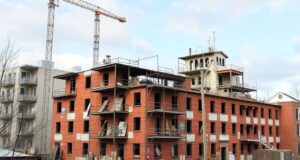
Designing and constructing spaces that people of all abilities can use comfortably is both a legal responsibility and an ethical choice. This article walks through the why, the how, and the technical nuts and bolts of accessible design under the Americans with Disabilities Act, showing owners, designers, contractors, and facilities managers a practical path forward. Expect clear explanations, practical checklists, and hands-on tips drawn from real projects rather than abstract theory.
Why accessibility matters now
Accessibility shapes who can participate in daily life — work, shopping, learning, and socializing. Beyond the moral imperative, accessible buildings expand markets, reduce liability, and improve the user experience for everyone, from parents with strollers to older adults with limited mobility.
Accessible design is also resilient design. Features like wider paths, clearer signage, and better lighting make buildings easier to navigate in emergencies and reduce long-term operational headaches. Treating accessibility as part of quality design prevents costly retrofits and keeps communities inclusive.
Understanding the ADA and its standards
The Americans with Disabilities Act (ADA) is federal civil rights legislation that prohibits discrimination against people with disabilities in public life. Title II covers state and local government programs, while Title III covers public accommodations and commercial facilities; both influence design and construction decisions.
Technical requirements are spelled out in the 2010 ADA Standards for Accessible Design and referenced documents such as ICC A117.1. These standards set baseline dimensions, clearances, and features that buildings must provide, but local building codes and additional accessibility guidelines often intersect with federal requirements.
Scope: who and what is covered
Not every building is exempt. New construction and alterations to existing buildings that are public accommodations or commercial facilities are generally required to follow the ADA standards. In many cases, when you renovate one part of a building, accessibility upgrades are required to common areas and access routes nearby.
Private homes used strictly as residences are typically outside ADA Title III, but multi-family housing, rental units, and publicly accessible portions of buildings fall under other accessibility requirements at the federal and local level. Understanding applicability early in a project reduces surprises later.
The 2010 standards and related codes
The 2010 ADA Standards provide minimum requirements for accessibility in new construction and alterations. They address elements such as route widths, ramp slopes, door clearances, restroom fixtures, signage, and parking. Designers routinely consult these standards alongside local building and fire codes.
ICC A117.1 is a technical standard that many jurisdictions adopt to provide additional measurement detail. When the ADA and a state or local code differ, the most stringent or applicable standard may control — this is one reason project teams must coordinate code compliance from schematic design through permitting.
Core elements of accessible design
Accessible buildings are the sum of many parts: approach and entry, interior circulation, fixtures and controls, wayfinding, and communication features. Each element contributes to a continuous accessible path that connects public sidewalks, parking, entrances, and usable interior spaces.
Designers should think beyond minimums. The ADA sets a baseline; thoughtful design considers comfort, dignity, and variety of needs. For instance, seating at different heights, lever-style hardware, and adjustable counters reduce friction for many users beyond what code strictly mandates.
Accessible routes and entrances
An accessible route is a continuous, unobstructed path connecting accessible elements and spaces. Routes include walkways, ramps, elevators, and intervening doors and must provide adequate width, slope, and surface conditions. Smooth transitions between surfaces are essential to avoid tripping hazards and to support mobility devices.
Entrances should be obvious, level where possible, and have weather protection. Where threshold elevations exist, gentle slopes or small ramps that meet accessibility guidelines keep entrances usable. Automatic or easily operated doors are often the most inclusive choice for primary public entries.
Parking and drop-off areas
Accessible parking spaces must be located on the shortest accessible route to the accessible entrance and include adjacent access aisles for transfer and lift-equipped vehicles. Van-accessible spaces require larger access aisles or vertical clearance for lifts, so site plans should allocate these areas close to entries.
Drop-off zones and passenger loading areas are important for people who rely on caregivers or ride services. Clear curb ramps, sheltered paths, and curbside warning surfaces support safe transfers. Incorporate these elements into early site design analyses to avoid last-minute layout changes.
Ramps, landings, and changes in elevation
Ramps are common solutions for level changes and must be designed with appropriate slope, landings, handrails, and surface textures. The standard maximum slope used in most codes is 1:12, meaning one inch of rise for every 12 inches of run, but project-specific conditions or local codes may require adjustments.
Long ramps need intermediate landings to allow rest and turn-around, and edge protection prevents wheels from slipping off. Attention to drainage, non-slip materials, and thermal performance prevents hazards in wet or icy conditions.
Doors, thresholds, and maneuvering clearances
Accessible doors have clear width, low thresholds, and hardware operable with a closed fist. Adequate maneuvering clearance on both sides of doors ensures a person using a wheelchair can approach, open, and pass through without undue difficulty. Swinging doors, sliding doors, and power-assisted doors each present different planning needs.
Thresholds should be beveled and only as high as necessary. Floor finishes on either side of a doorway must be compatible to avoid a lip that impedes wheeled devices. In high-traffic areas, durable finishes that also meet slip-resistance criteria protect both accessibility and longevity.
Elevators, lifts, and platform lifts
Elevators are essential in multi-story public buildings, and elevator cars must provide clear floor space, controls at accessible heights, and tactile and visible floor indicators. Where elevators are not feasible, platform lifts can be an alternative, provided they meet safety and access requirements and integrate with the accessible route.
Elevator control placement, door timing, and audible announcements benefit people with a range of needs. Periodic maintenance and testing are necessary to preserve reliability; an unusable elevator can render entire floors inaccessible and trigger legal risk.
Restrooms, bathing facilities, and changing spaces
Restroom planning must include accessible stalls, turning space, lavatories with knee clearance, and appropriate grab-bar layout. Family or assisted-use restrooms increase dignity and convenience for caregivers, parents, and people with disabilities who require assistance.
Consider inclusive design options such as adjustable-height fixtures, clear floor plans, and non-slip surfaces. These details reduce the need for multiple specialized fixtures and create flexible, practical spaces for a broad user base.
Signage, wayfinding, and visual cues
Signage that follows accessibility standards includes tactile (Braille) and raised characters, appropriate contrast, and mounting heights readable by people standing or seated. Wayfinding extends beyond signs to include consistent landmarks, lighting, and color contrasts that help orient visitors.
Digital and interactive wayfinding must also be accessible. Touchscreens, kiosks, and websites associated with a facility should meet digital accessibility guidelines so that people who rely on assistive technologies can obtain directions and information independently.
Controls, counters, and operable parts
Controls such as switches, thermostats, elevator buttons, and service counters should be within reach ranges for seated and standing users. Lever handles, rocker switches, and push plates are generally more usable than round knobs or recessed controls for people with grip limitations.
Service counters should include lowered sections at accessible heights for transactions. Where transaction heights vary, providing clear protocols for staff to offer seated service prevents embarrassment and maintains smooth operations.
Alarms and communication systems
Emergency systems must convey warnings through multiple modes: audible, visual, and tactile where necessary. Strobe lights and clear evacuation signage support people with hearing impairments, while clear audio announcements and staff training help people with vision loss or cognitive disabilities during emergencies.
Accessible communication also includes assistive listening systems in assembly spaces and effective approaches for providing auxiliary aids and services during events. Planning for communication needs ahead of time avoids ad hoc fixes that may fail when most needed.
Designing with inclusion: principles and process
Good accessibility is proactive, not reactive. Inclusive design begins with user research, empathy, and testing with people who have disabilities, and it continues through programming, schematic design, and commissioning. Engage stakeholders early and often.
Prioritize universal design principles: equitable use, flexibility in use, simple and intuitive layouts, perceptible information, and tolerance for error. These principles create environments that serve the broadest possible range of people without stigmatizing features.
Inclusive design in practice
Start projects with an accessibility audit of the site and an inventory of challenges and opportunities. Use that data to inform schematic options, balancing cost, aesthetics, and the continuity of accessible routes. Avoid solutions that isolate accessible features from mainstream circulation.
Test designs with real users. On one project I worked on, iterative mock-ups of restroom layouts saved weeks of redesign; a single in-person trial revealed a circulation issue that drawings had missed. Practical validation prevents expensive retrofits and improves user experience.
Coordination across disciplines
Accessibility touches architecture, structural engineering, landscape design, mechanical systems, and IT. Interdisciplinary coordination ensures that elements like ramps, guardrails, and signage do not conflict with fire egress, drainage, or lighting. Clear documentation prevents field decisions that compromise access.
Use an accessibility matrix during design reviews that ties each element back to a specific standard and owner — architect, contractor, or specialty vendor. This simple accountability tool reduces ambiguity at bidding and construction stages.
Practical steps for compliance in new construction
When building anew, incorporate accessibility into your project brief and budget from day one. Compliance is far more straightforward and cost-effective when it’s part of the initial program rather than an afterthought. Include accessibility milestones in your design and construction schedule.
Key actions include ensuring accessible routes from public rights-of-way, designing primary entrances with automatic doors or low-force hardware, providing required accessible parking, and sizing restrooms and corridors to meet standards. Validate assumptions with code officials during pre-application meetings.
Documentation and permitting
Prepare clear accessibility notes on drawings, schedule accessibility validations into shop drawing reviews, and provide as-built documentation showing compliance items such as sign locations, control heights, and ramp slopes. These records help during occupancy inspections and future renovations.
Work with permitting authorities early to resolve any conflicts between local codes and ADA requirements. Early dialogue avoids change orders and schedule delays that are costly later in the process.
Retrofitting existing buildings
Renovations present the greatest challenge because existing conditions often limit what can be done without major expense. The ADA uses a reasonableness standard: where full compliance is technically infeasible or structurally impracticable, alternative measures that provide equivalent access are required when possible.
A phased retrofit plan can target high-impact areas first: building entrances, primary customer paths, restrooms, and service counters. Small improvements such as lever hardware, tactile warning surfaces, and clear signage often yield outsized benefits for users and compliance.
Assessing feasibility and scoping work
Start with a thorough accessibility survey that documents non-compliant elements and prioritizes fixes by legal risk and user impact. In older buildings, structural constraints may require creative solutions such as platform lifts, relocated entrances, or reconfigured interiors to provide accessible alternatives.
When full compliance is unattainable without undue hardship, document the technical barriers and propose reasonable alternatives that afford equivalent access. Consulting with experienced accessibility professionals and legal counsel helps ensure defensible decisions.
Common pitfalls and enforcement risks
Many accessibility failures stem from treating the ADA as a checklist rather than a holistic design goal. Inconsistent floor finishes, poorly timed doors, blocked accessible routes during construction, and inaccessible digital interfaces are frequent problems that lead to complaints and litigation.
Facilities managers sometimes underestimate the impact of maintenance on accessibility. Broken automatic doors, piled-up storage in accessible aisles, and out-of-service lifts make legal compliance meaningless in practice. Regular audits and maintenance plans are essential risk-management tools.
Legal context and complaints
The Department of Justice enforces ADA compliance and individuals may file complaints or bring private lawsuits when they encounter barriers. Many disputes are resolved through mediation and remediation agreements, but repeat or severe noncompliance can result in costly settlements and mandated upgrades.
Respond promptly to access complaints and document corrective actions. A transparent remediation process that includes timelines and evidence of work demonstrates good-faith efforts and often reduces escalation.
Cost, funding, and lifecycle benefits
Upfront costs for accessible features vary widely depending on whether the work is new construction or a retrofit and the scope of changes required. Thoughtfully integrated accessible design often has minimal incremental costs in new projects and substantial long-term returns through broader patronage and reduced liability.
Many public, nonprofit, and private entities can access grants, tax incentives, and financing programs for accessibility work. Consult financial advisors and government resources early to identify applicable incentives rather than assuming all upgrades are entirely owner-funded.
Return on investment and value
Accessibility improves usability for many population segments, boosting customer satisfaction and employee retention. Features like adjustable-height desks, clear circulation, and good acoustics increase productivity and reduce accommodation requests that can interrupt operations.
Consider lifecycle costs: durable finishes, easily repairable door operators, and modular fixtures reduce long-term expenses. Accessibility that lasts depends on specifying robust products and planning for maintenance budgets that keep features functioning.
Tools, checklists, and resources
Practitioners use a mix of standards, checklists, and testing protocols to verify compliance. Common resources include the 2010 ADA Standards for Accessible Design, ICC A117.1, state accessibility codes, and technical guides published by professional organizations and disability advocacy groups.
Below is a compact table summarizing typical elements to review early in a project and the standard reference for dimensions and features. Always consult the full standards for precise measurements and exceptions.
| Element | Typical requirement | Reference |
|---|---|---|
| Accessible route | Continuous, unobstructed path with compliant surface and slopes | 2010 ADA Standards / ICC A117.1 |
| Ramps | Maximum slope commonly 1:12; required landings and handrails | 2010 ADA Standards |
| Doors | Minimum clear width; low thresholds; lever hardware preferred | 2010 ADA Standards |
| Restrooms | Accessible stalls, lavatory knee clearance, grab bars | 2010 ADA Standards |
| Parking | Accessible spaces near entrance with adjacent access aisles | 2010 ADA Standards |
Checklist items for on-site verification often include: unobstructed accessible routes, proper placement and mounting heights for signs, working door hardware, operable lifts/elevators, and staff-trained procedures for serving customers with disabilities. Use a mix of visual inspection and simple measurement tools to validate compliance.
- Involve people with disabilities in user testing and reviews.
- Keep an accessibility register of decisions and as-built measurements.
- Schedule periodic accessibility audits linked to maintenance cycles.
My experience: lessons from the field
Over several projects I found that small, early decisions made the biggest difference. On a library renovation, adding a single accessible entrance and a family restroom transformed the building’s usability far more than cosmetic upgrades did. Patrons who had previously avoided the site became regular visitors.
In a retail project, a simple change — providing a lowered checkout counter and staff training about offering assistance — significantly improved the shopping experience and reduced complaints. Those outcomes reinforced that accessibility is as much about human systems as about built elements.
Working with stakeholders: clients, contractors, and users
Successful accessibility projects depend on communication. Architects must explain trade-offs and alternatives to clients; contractors need clear details and tolerances; facilities staff require training to maintain accessibility features. Bring all parties together early to align expectations and responsibilities.
Engage local disability organizations and end users for feedback during design review sessions. Their lived experience uncovers practical usability issues that standards may not anticipate and often yields elegant, low-cost solutions that improve the design for everyone.
Future directions and emerging concerns
Accessibility is evolving with technology and demographic change. Aging populations, shifting service models, and new assistive technologies expand what accessible design can mean. Buildings that anticipate flexible adaptation will stay useful longer and be easier to upgrade as standards evolve.
Digital accessibility is now integral to physical spaces. Building apps, kiosks, and websites related to wayfinding, bookings, and services should follow accessibility guidelines so that a barrier-free physical environment isn’t undermined by inaccessible digital interfaces.
Practical final checklist before occupancy
Before turning over a building, run a final accessibility verification that includes walkthroughs by people with disabilities, measurements of critical clearances, testing of doors and elevators, and inspection of signage. Confirm that maintenance staff understand schedules and how to report accessibility issues promptly.
Document any deviations from plans and provide an action plan to address them. Deliver accessible operation manuals and emergency plans that account for evacuation and aid for people with disabilities. These steps reduce liability and demonstrate a commitment to inclusive operations.
Where to turn for help
When projects encounter complex barriers, consult certified accessibility specialists, experienced code consultants, and disability advocacy organizations. These resources can help interpret standards, propose technically feasible alternatives, and facilitate meaningful engagement with users.
Government offices and online portals also publish guidance documents and technical assistance materials. Use them alongside professional advice rather than as a substitute for project-specific analysis.
Final thoughts on building for accessibility
Designing accessible buildings is a creative challenge and a civic responsibility. The ADA provides a necessary baseline, but truly inclusive environments come from listening to users and treating accessibility as an integral design objective rather than a compliance afterthought.
When owners, designers, and builders commit to accessibility early and keep maintenance and user feedback loops in place, they create spaces that welcome more people, stand the test of time, and reflect the best of thoughtful design. That is an outcome worth planning — and building — for.