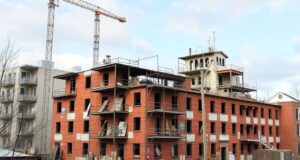
The construction industry is in the middle of a quiet revolution that will feel anything but subtle on job sites and city skylines. New techniques, digital tools, and materials are reshaping how we design, assemble, and operate buildings, shortening schedules and changing what it means to build. In this article I’ll walk through the practical innovations reshaping the trade, explain why they matter, and share examples and lessons from real projects I’ve followed closely.
Why construction is ripe for reinvention
For decades construction lagged behind other sectors in productivity growth, yet demand has risen for faster, greener, and smarter outcomes. Owners want buildings that cost less to operate, regulators push for lower emissions, and urban density pressures require faster delivery. Those forces create a clear incentive to adopt new methods rather than keep repeating the same inefficient cycles.
Another push comes from labor and safety realities. Labor shortages, aging workforces, and the need to reduce on-site hazards make automation and offsite methods attractive. The shift is not just about speed; it’s about quality control, predictability, and worker wellbeing.
Finally, technology itself—cheaper sensors, better software, and more capable robotics—has reached a tipping point. Tools that were once expensive and experimental are now robust enough to be applied on production scales, letting builders move from pilot projects into regular practice.
Prefabrication and modular construction
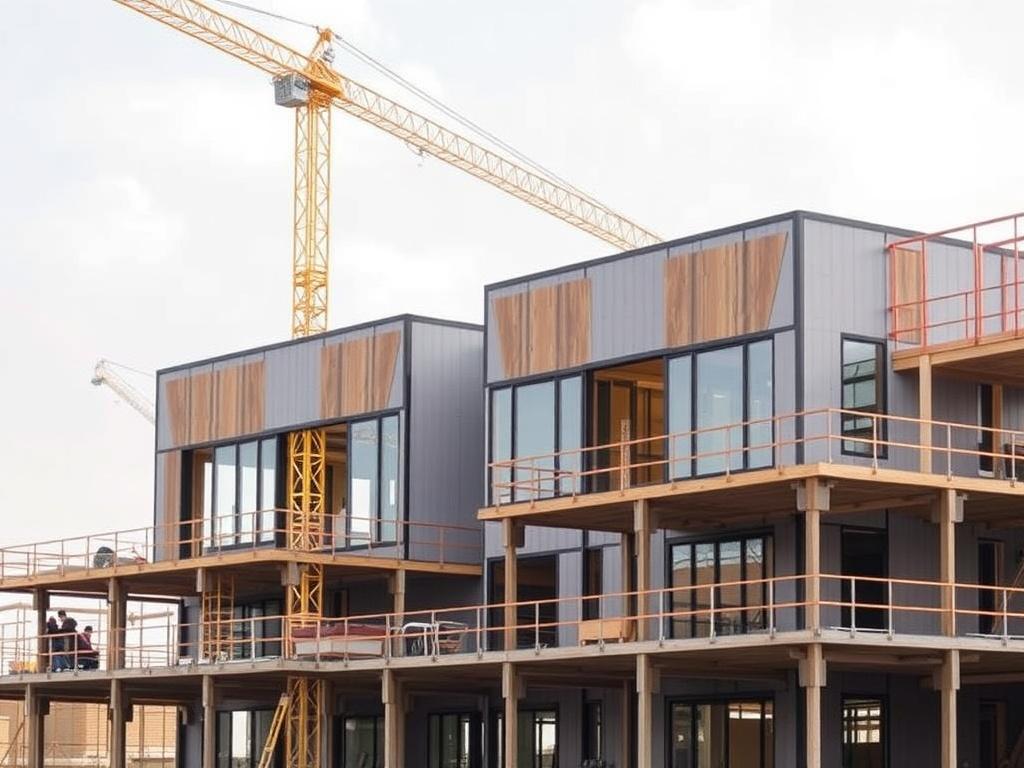
Prefabrication moves work away from the congested job site into controlled factory environments where components are produced repeatedly and inspected thoroughly. Factory conditions reduce weather delays and improve finishes, and they allow parallel workstreams—site preparation can proceed while modules are built elsewhere. These efficiencies compound into shorter schedules and more predictable budgets.
Modular construction takes prefabrication a step further by delivering complete volumetric modules—whole rooms or apartments—that are assembled on-site like building blocks. This approach has been used for hotels, multifamily housing, and even hospitals during emergency responses. The 2020 pandemic accelerated acceptance; several temporary hospital and quarantine facilities worldwide demonstrated how quickly modular solutions can be deployed under pressure.
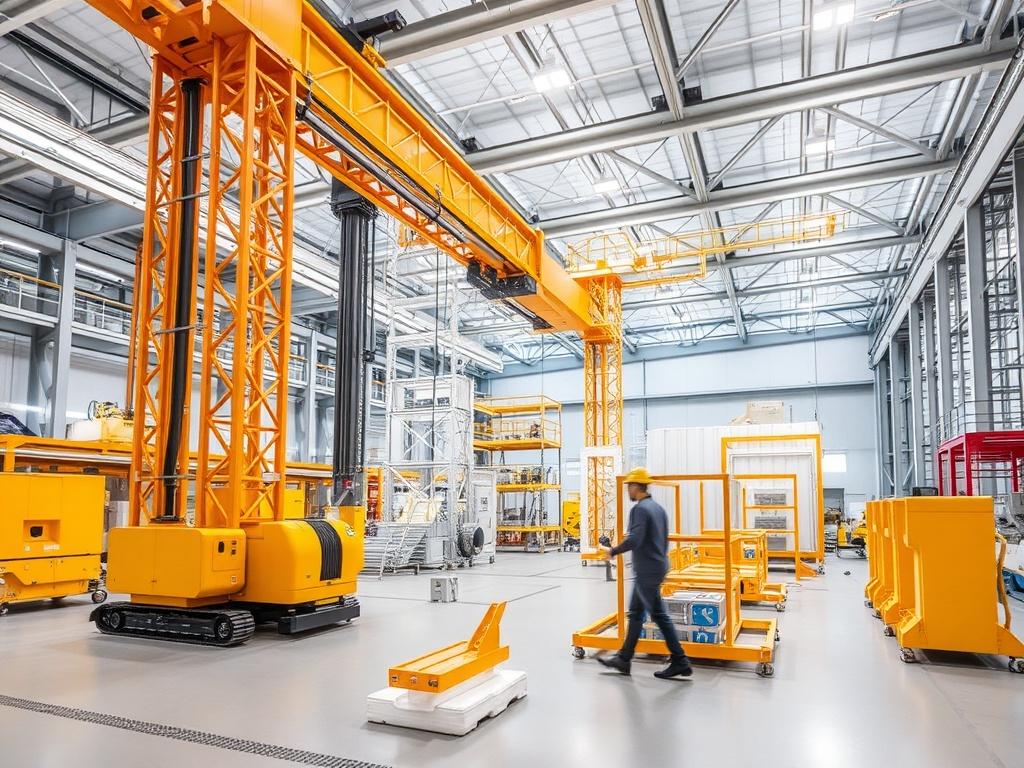
There are trade-offs: transportation logistics, design limitations, and the need for early coordination among architects, engineers, and manufacturers. But when a project is designed with modularization in mind from the outset, the time savings and quality control often justify those constraints. I’ve visited a modular plant where units flowed down an assembly line, and the visible consistency in finishes was a compelling argument for the approach.
Real-world modular successes
One prominent example is rapid modular housing used to address post-disaster or rapidly growing urban needs. Several cities have adopted modular strategies to accelerate affordable housing delivery while controlling costs. The result is a set of buildings that look conventional but were assembled in far fewer on-site hours than traditional construction would allow.
In the corporate sector, some hotel chains have embraced modular units for rooms and bathrooms to ensure consistent guest experiences across properties. These applications highlight a practical truth: when design repeatability is high, modular methods produce outsized benefits. Owners and operators gain reliability and reduced downtime between turnovers.
3D printing and additive manufacturing
Additive manufacturing in construction ranges from printing small façade elements to entire houses. Large-scale 3D printers extrude concrete or composite mixes layer-by-layer, creating forms that would be costly with conventional formwork. That freedom allows designers to explore organic shapes and optimized structures while cutting labor for repetitive forming tasks.
One of the most useful advantages of printing is speed for simple dwellings or component parts. For emergency shelters and low-cost housing pilots, printers can dramatically reduce the time from foundation to weatherproof envelope. The technology continues to evolve: new mixes, reinforcement strategies, and printer mobility all broaden potential use cases.
Barriers remain, notably code acceptance, structural verification, and finish quality for occupied spaces. Many early projects relied on hybrid approaches—printed shells joined with conventionally built elements—to meet requirements. Over time, as standards and best practices develop, additive methods will likely move from novelty to mainstream for select program types.
BIM and digital collaboration
Building Information Modeling (BIM) has matured from a drafting tool into a collaboration platform that coordinates geometry, systems, costs, and schedules. A robust BIM process turns drawings into structured data that owners, engineers, and contractors can all use to reduce conflicts and reduce rework. This single source of digital truth is essential for modern methods like modularization and offsite fabrication.
Clash detection, quantity takeoffs, and 4D schedule simulations are common BIM deliverables that materially reduce uncertainty. When a mechanical chase conflicts with a structural beam in a model, teams resolve it digitally instead of discovering the error after slabs have been poured. Those avoided delays translate to real savings in cost and morale.
Adoption still varies widely among firms. The companies that integrate BIM from concept through operations capture the most value, because the model can follow the building into its lifecycle as a digital asset. I’ve seen projects where owners use the as-built model for facilities management years later, and the upfront investment paid dividends in quicker maintenance responses and lower operating costs.
Digital twins and lifecycle management
Digital twins are a natural evolution of BIM: they’re live digital replicas that link to sensors and systems in the real building. Unlike a static model, a twin reflects ongoing performance—energy use, occupant flows, and equipment status—and enables predictive maintenance and operational optimization. Facilities teams can test scenarios virtually before making changes on site.
For example, a shopping center operator can simulate HVAC adjustments in the twin to forecast energy savings without disrupting tenants. The twin also supports sustainability targets by tracking emissions and optimizing system schedules. This kind of continuous, data-driven management is reshaping the economics of long-term building ownership.
Robotics, automation, and drones on site
Robots are increasingly used for tasks that are repetitive, dangerous, or precisely measured. Masonry-laying robots, brick-tying machines, and autonomous rebar benders reduce the physical toll on laborers while increasing throughput. Drones complement these tools by providing rapid aerial surveys, progress monitoring, and safety inspections of hard-to-reach areas.
Robotics on site can improve quality and speed, but integration is essential. Robots work best when project sequences are predictable and prefabricated elements arrive on schedule. That’s why robotics and offsite manufacturing often appear together in the same projects; the factory creates repeatable parts that robots handle efficiently on site.
My visits to job sites with drone-based inspection workflows revealed a surprising benefit: teams found that stakeholders were more aligned when everyone could view the same high-resolution aerial imagery. Disputes over what was built versus what was modeled diminished, shortening decision cycles and change-orders.
Advanced materials and high-performance systems
New materials are expanding what structures can do. High-performance concretes reduce section sizes and carbon footprints, while engineered timber—cross-laminated timber (CLT) and glulam—offers a renewable alternative for mid-rise and taller buildings. Materials science is also producing composites and coatings that resist corrosion, reduce maintenance, and extend service life.
Self-healing concrete, impregnated fibers, and phase-change materials for thermal regulation are moving from lab to limited commercial use. These innovations can decrease lifecycle costs and improve occupant comfort when integrated thoughtfully into design and maintenance strategies. The key is matching material choice to real performance criteria instead of adopting novelty for its own sake.
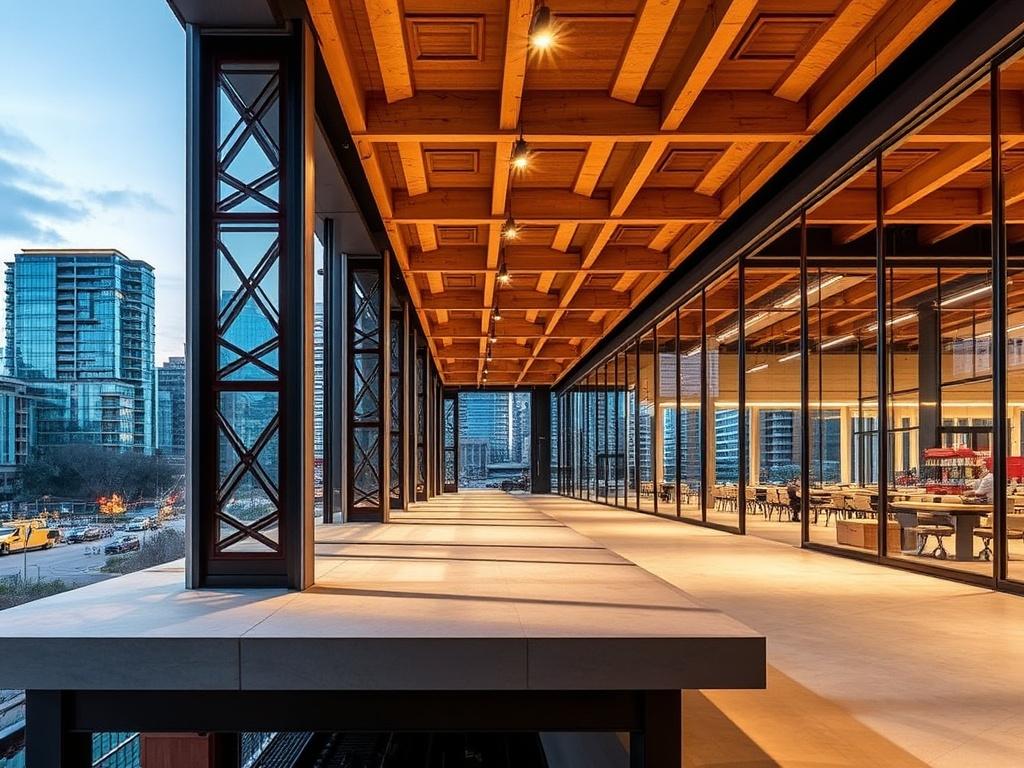
Engineered timber projects demonstrate how materials can change the construction narrative: lighter structures, faster enclosure, and lower embodied carbon are compelling in markets where sustainability is a priority. Timber also works well with offsite assembly, since prefabricated panels and modules are easier to handle and install quickly on a tight schedule.
Sustainability and circular approaches
Environmental imperatives are a major driver for modern methods. Designers and builders are pushing for net-zero operational targets, lower embodied carbon, and circular material strategies that prioritize reuse and recyclability. These goals require rethinking procurement, design for disassembly, and component traceability.
Design for disassembly encourages the use of mechanical fasteners instead of permanent adhesives and favors modular connections that allow future reconfiguration. This approach drives higher upfront coordination but creates buildings that can evolve without large demolition waste streams. For owners who plan multiple uses for a site, adaptability becomes a tangible value proposition.
Material passports—digital records of a building’s components—are gaining traction. They help owners know what materials exist in a building and how to recover or repurpose them at end of life. When combined with offsite manufacturing, these records enable circular supply chains that reduce both cost and environmental impact.
Energy efficiency and passive design
Modern construction methods work hand-in-hand with passive design principles: better insulation, optimized glazing, and controlled ventilation reduce reliance on mechanical systems. When combined with smart controls and renewable generation, buildings can achieve deep energy reductions and provide resilient performance during grid disruptions.
Passive strategies simplify building systems and improve occupant comfort, making them a practical target for retrofits as well as new construction. The best-performing projects layer passive design, efficient HVAC, and digital controls to squeeze wasteful energy use out of everyday operation.
Lean construction and integrated delivery
Lean construction borrows manufacturing principles—pull scheduling, continuous improvement, and waste reduction—to optimize flow on projects. Practically speaking, this means tighter sequences, fewer late changes, and closer supplier coordination. When firms pair lean practices with prefabrication, the gains in schedule certainty are dramatic.
Integrated Project Delivery (IPD) and other collaborative contracting models align stakeholder incentives by sharing risk and reward. These delivery approaches encourage early involvement of trade contractors and manufacturers, improving constructability and cost estimates. The result is less finger-pointing and more joint problem solving when issues arise.
In projects where I’ve observed integrated teams, decision cycles shortened and contingency drawdown slowed. The cultural differences between open collaboration and adversarial contracting are stark—and the former yields measurable schedule and budget advantages.
Digital procurement and supply chain innovation
Procurement is being reshaped by platforms that connect buyers with manufacturers and logistics providers, enabling just-in-time deliveries and better inventory visibility. Digitally coordinated supply chains reduce on-site storage needs and lower the risk of material theft and weather damage. They also support lean construction by aligning deliveries to workflow demands.
Supply chain transparency has risen in importance since global disruptions made material availability a strategic risk. Building teams use digital dashboards to track lead times, identify alternate suppliers, and stage critical components. This proactive stance reduces last-minute substitutions that cause rework and delay.
Manufacturers, too, are adapting. Firms that previously sold raw materials now offer pre-assembled systems and installation partnerships, blurring the line between supplier and contractor. Those vertically integrated offerings often smooth interface risks for owners who prefer one-stop accountability.
Table: traditional methods vs. modern methods
| Aspect | Traditional methods | Modern methods |
|---|---|---|
| Production location | Mostly on-site | Hybrid: offsite + on-site |
| Schedule predictability | Variable, weather-dependent | More predictable, factory-timed |
| Quality control | Variable by crew | Standardized, repeatable |
| Coordination | Sequential, later coordination | Early, integrated design |
| Environmental impact | Higher waste, variable emissions | Lower waste, material tracking |
Health, safety, and workforce transformation
Modern methods can improve safety by reducing hazardous on-site tasks and exposing fewer workers to heavy lifting and heights. Wearable sensors, site-wide monitoring, and automated equipment control reduce accidents and provide data to refine safety protocols over time. Safer jobs also help attract younger workers into the trades.
However, the workforce needs different skills. Offsite manufacturing calls for factory technicians, and digital collaboration requires BIM-savvy coordinators. Training programs and partnerships between industry and vocational schools are essential to close this skills gap. In my reporting, firms that invest in cross-training see lower turnover and higher productivity.
Technology can’t replace craftsmanship entirely. The best results come from blending human judgment with automation—humans focused on complex tasks and quality control, machines handling repetitive or dangerous work. That combination creates better jobs and better buildings.
Regulatory and code challenges
Regulatory frameworks often lag behind innovation. Building codes written for conventional materials and assembly methods take time to accommodate products like printed structural elements or novel composite façades. That lag creates uncertainty and can slow adoption, especially for projects that need quick permitting.
To bridge the gap, industry groups, manufacturers, and regulators are increasingly collaborating on performance-based codes and testing protocols. These approaches judge assemblies by measured behavior rather than prescriptive methods, which opens a pathway for new technologies that meet safety and resilience goals.
Owners and builders can reduce risk by engaging authorities early, documenting testing, and using pilots to demonstrate compliance. Thoughtful pilots serve as both proof of concept and educational tools for permitting officials, smoothing future approvals.
Cost, value, and business model shifts
Modern methods often reduce total project time and operating costs, but they sometimes increase upfront capital for planning, design, and factory tooling. Owners must think in lifecycle terms: slightly higher early investment can pay back through faster revenue generation and lower operating expenses. That mindset shift is the financial rationale behind many modern method adoptions.
Business models are adapting. Some manufacturers offer performance contracts or lease components, shifting capital expenditures into operational budgets. These arrangements align incentives: the supplier benefits when the product performs well over time, not just at delivery. For owners skeptical of higher upfront costs, such models can lower barriers to adoption.
Measuring outcomes is crucial. Projects that track metrics—time-to-occupancy, defects per unit, energy use—make stronger business cases for modern methods. Quantified results convert anecdotes into repeatable strategy.
Benefits and challenges (list)
- Benefits: faster schedules, better quality control, reduced waste, improved safety, and lifecycle cost savings.
- Challenges: regulatory hurdles, upfront planning costs, required design coordination, and supply chain adaptation.
- Mitigations: early stakeholder alignment, pilot projects, robust digital models, and skills training programs.
Case studies and lessons learned
Projects that succeed with modern methods often share a few traits: early involvement of manufacturers, disciplined information management, and owners willing to be flexible on traditional milestones. In such projects the value of the approach compounds—reduced defects lead to fewer fixes, which shortens punch lists and speeds handover.
Another common lesson is the importance of design for manufacture and assembly (DfMA). Elements that look good on a paper plan often create headaches in a factory line; designs must reflect production realities, tolerances, and transport constraints. Teams that iterate designs with manufacturers avoid costly redesign late in the process.
Finally, communication matters. Modern methods put a premium on transparent workflows and shared data. Teams that invest in strong digital collaboration tools and consistent update cadences avoid the last-minute surprises that can sink budgets and morale.
Adoption strategies for owners and contractors
For owners considering the shift, start with pilot projects that match the scale of innovation to the organization’s appetite for change. Small, repeatable building types—student housing, mid-rise apartments, bathrooms—are ideal first tests. Pilots allow teams to refine procurement, logistics, and quality assurance before scaling up.
Contractors should cultivate partnerships with manufacturers and invest in BIM and logistics expertise. Bringing fabrication partners into the design phase reduces surprises and aligns schedules. Training and a clear playbook for interfacing with factories produce smoother handoffs and consistent outcomes.
Both owners and contractors benefit from tracking KPIs related to time, cost, quality, and safety. These metrics provide evidence for decision-making and create a data-driven path to further innovation. Over time, the organizational learning becomes a competitive advantage.
What the next decade may bring
Expect incremental convergence rather than a sudden revolution: modular and digital methods will expand into more building types, robotics will handle increasingly complex tasks, and materials will continue to improve in strength and sustainability. The pragmatists—those who combine new tools with rigorous processes—will lead widespread adoption.
Regulatory evolution and standardization will accelerate as successful pilots create templates for approvals and insurance. When code bodies accept performance-based evidence from new materials and processes, adoption will speed further. This regulatory progress is often the catalyst that turns innovation from boutique to mainstream.
Ultimately, the biggest transformation may be cultural: a move from viewing construction as episodic and bespoke to treating it as a repeatable industrial process with continuous improvement. That doesn’t mean every building becomes identical, but it does mean builders get better at predicting outcomes and delivering value.
Practical checklist for getting started
Begin by mapping project types that match modern methods—look for repeatability, schedule sensitivity, or sustainability goals. Use pilot projects to validate assumptions and collect performance data that justifies broader application. This pragmatic approach reduces risk while building internal expertise.
Next, invest in digital tools and relationships: adopt BIM standards, choose manufacturing partners early, and establish logistics plans. Train staff in factory workflows and digital collaboration so the team speaks the same language as suppliers. Clear processes avoid the common trap of late-stage surprises.
Finally, document outcomes and share lessons. Each pilot provides evidence that can be used for permitting, financing, and owner buy-in. A small portfolio of measured successes builds momentum and expands what is possible on larger, more complex projects.
A personal note from the field
Having followed dozens of projects over the last decade, I’ve watched the practical benefits of modern construction methods become harder to dismiss. In several visits to modular plants and smart buildings, I saw not only faster timelines but more engaged workers and clearer quality control. The models and factory workflows give teams confidence they can deliver predictable results.
One memorable site visit involved a mixed-use development where a modular podium rose in weeks while façade panels were installed in parallel—a choreography that would have been chaotic with stick-built sequencing. The project team’s early collaboration and willingness to prototype were decisive. Those human choices, more than the technology itself, determine success.
If there’s one takeaway from these experiences, it’s that the methods work best when treated as systems rather than gadgets. Technology unlocks potential, but process, people, and purpose turn potential into real buildings that perform.
Final thoughts on practical transformation
The construction industry is not changing because of a single silver-bullet technology. It’s evolving through the combination of factory production, digital collaboration, better materials, and clearer value propositions that reward speed, quality, and sustainability. Owners and builders who align these pieces will find that their projects are not only faster and cheaper but more resilient and adaptable.
Adopting modern approaches requires effort and a willingness to rethink how projects are planned and executed, but the evidence is growing that the payoff is real. From reduced waste and improved safety to buildings that operate smarter over their lifetimes, the benefits touch every stakeholder in the built environment.
As you evaluate your next project, consider where prefabrication, digital modeling, and lifecycle thinking can add the most value. The industry’s transformation is already underway—those who engage thoughtfully will shape the future of how we build and inhabit our cities.