
Roofs protect, define, and sometimes even sell a house, yet choosing the right one can feel overwhelming. This article walks through the most common roofing options, practical trade-offs, and the real-world considerations that matter when you decide what goes over your head. Think of it as a field guide you can use while comparing bids, planning maintenance, or imagining a whole-home renovation.
Why material choice matters beyond looks
A roof isn’t just a finish; it’s a long-term investment that affects energy bills, maintenance schedules, and the structural needs of your home. Different materials perform better in particular climates, resist hazards like wind or hail differently, and vary widely in upfront cost versus lifetime value. Ignoring those factors can lead to premature replacements or surprise expenses down the line.
Appearance matters, of course, because roofs are a large visual element of your house and a strong factor in curb appeal. But longevity, weight, ventilation needs, and environmental impact often determine the right choice. Before comparing brands, start by matching material characteristics to your climate, budget, and priorities.
Key factors to weigh when comparing roofing materials
Consider lifespan first: how long do you plan to be in the house and what kind of return are you expecting? A cheap roof that lasts 15–20 years might be fine for short-term ownership, while a 75-year slate roof makes sense if you plan to stay for decades. Think in terms of cost-per-year of service, not just upfront price.
Roofing weight and structural capacity are also crucial. Heavy materials like tile and slate often require reinforced framing, which adds cost. Conversely, lightweight materials such as metal can sometimes be installed over existing roofing, saving removal costs and shortening downtime.
Other practical considerations include maintenance needs, fire and wind resistance, energy performance, and environmental footprint. The right combination of these factors will vary: coastal homes might prioritize salt and wind resistance, while mountain cabins focus on snow shedding and weight capacity.
Asphalt shingles: the everyday workhorse
Asphalt shingles are the most common residential roof covering in the United States because they balance cost, availability, and ease of installation. They come in two main varieties: three-tab (basic, thinner) and architectural or laminate shingles (thicker, more dimensional). Most homeowners opt for architectural shingles for their better appearance and longer warranties.
Lifespan for modern asphalt varies from about 15 to 30 years depending on product quality, installation, and climate exposure. Asphalt performs well in moderate climates but can degrade faster under intense sun or extreme temperature swings. Proper attic ventilation, good underlayment, and timely repairs extend the useful life of an asphalt roof.
Maintenance is straightforward: replace damaged shingles, keep gutters clear, and check flashing around chimneys and penetrations. Asphalt is relatively inexpensive to install, which makes it an attractive choice for resale-focused remodels and for homes with complex rooflines where labor costs rise quickly.
Metal roofing: durability and efficiency
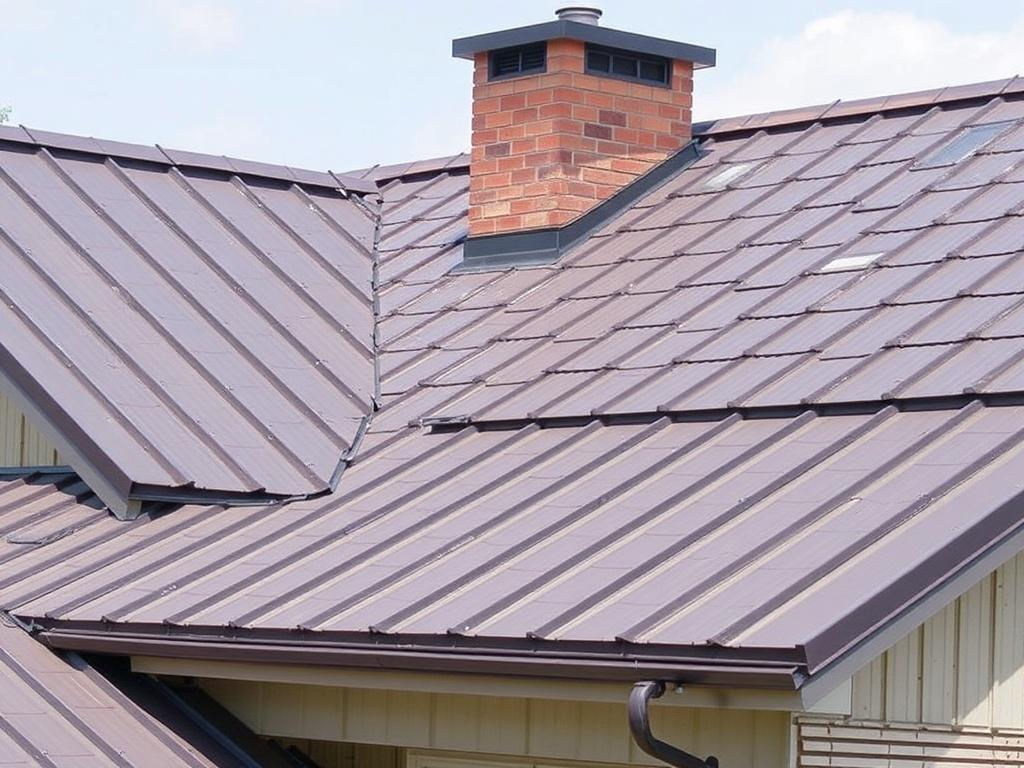
Metal roofs—standing seam, corrugated panels, or metal shingles—offer long life and strong performance against wind and fire. A well-installed metal roof can last 40 to 70 years, and many systems are recyclable at the end of service. Metal sheds snow well and can be fitted with high-reflectivity finishes to reduce cooling loads in hot climates.
Upfront cost for metal roofing is higher than asphalt but lower than premium options like slate. Metal is lightweight relative to its strength, often letting homeowners avoid expensive structural upgrades. Installation quality is critical: poor flashing or fastener choices can lead to leaks or noise problems during rain.
Metal roofs are a good match for steep slopes and modern architectural styles. They can be noisy in heavy rain if not insulated correctly, and expansion and contraction must be managed through proper clips and seam design. Reflective coatings and underlayment choices will influence energy performance and comfort.
Wood shakes and shingles: natural charm with upkeep
Wood roofing—cedar shake or shingles—offers an aesthetic that’s hard to replicate with synthetic alternatives. The material weathers attractively and suits rustic homes, cottages, and historic properties. Wood roofing however requires regular maintenance to protect against rot, moss, and insect damage, especially in humid climates.
Typical useful life ranges from 20 to 40 years depending on exposure and maintenance. Treatments and higher-quality cedar can extend that lifespan, and fire retardants are often applied in areas with wildfire risk. If you like the look and are prepared for periodic upkeep, wood can be a beautiful choice with aging characteristics that owners often prize.
Insurance and building codes can be an issue in fire-prone areas; many municipalities restrict untreated wood in zones with high wildfire risk. If wood is allowed, proper attic ventilation and periodic cleaning of debris are essential to prevent early deterioration.
Clay and concrete tiles: longevity with weight and style
Tile roofs—especially clay—are iconic in Mediterranean, Spanish, and southwestern architecture. They resist fire, insects, and rot and can last 50 to 100 years or more when installed correctly. Tiles also maintain consistent color over time because pigments are fired into the clay rather than painted on.
The main downside is weight: tiles are heavy and often require roof framing reinforcement. Installation is labor-intensive and costs more than many other options, but the longevity and low maintenance offset those costs across decades. In earthquake-prone regions, secure fastening and appropriate underlayment are critical to avoid tiles slipping or breaking during seismic events.
Concrete tiles offer many of the same benefits at somewhat lower cost and weight than clay, with a wider range of profiles and finishes. Both tile types do best on roofs with moderate to steep slopes which help shed water and debris effectively.
Slate roofing: the premium, long-lasting option
Slate is among the longest-lasting roofing materials available; historic slate roofs can remain intact for well over a century. Natural slate provides a distinctive, high-end aesthetic and excellent fire resistance. Because it’s a natural stone, color and texture vary by quarry, lending an authentic character to each roof.
Slate is heavy and brittle, requiring skilled installers and often structural reinforcement of the roof deck. Repairs and replacing broken tiles demand craftsmanship; matching older slate can be a challenge and sometimes requires salvage materials. Upfront cost is high, but lifecycle cost per year can be competitive given slate’s longevity.
Not every roof is a candidate for slate. Consider slate when your budget allows and you want a truly durable, low-maintenance roof with architectural gravitas. Factor in the need for specialized contractors and sometimes higher insurance or permitting scrutiny.
Synthetic and composite roofing: engineered alternatives
Synthetic roofing materials mimic slate, shake, and tile while offering lower weight and sometimes lower cost. These products are made from polymers, rubber, or blends designed to resist cracking, fading, and absorption of water. Many manufacturers back synthetics with strong warranties and performance testing for freeze-thaw cycles.
Composite roofs often install more quickly than natural materials and can be lighter on the structure. They may not achieve the same high-end look up close as authentic materials, but modern options are convincing at typical viewing distance. Consider synthetics if you want a specific aesthetic without the weight or maintenance demands of the original material.
Environmental profiles vary: some synthetics use recycled content and are recyclable, while others are derived from petroleum plastics. Check manufacturer specs if recyclability and embodied carbon are important to you.
Rubber, TPO, and PVC: flat roofing basics
Low-slope and flat roofs require different systems—single-ply membranes like EPDM (rubber), TPO, or PVC, or multi-ply built-up roofing (BUR). EPDM is cost-effective and long-used on commercial and residential flat roofs, while TPO and PVC provide higher reflectivity and better heat-welded seams in some cases. These options typically last 20 to 30 years with proper installation.
Seam quality and roof drainage are critical on flat roofs; water ponding will shorten membrane life quickly. Flashing at transitions, roof drains, and rooftop penetrations must be professionally detailed to prevent leaks. Consider roof access needs for HVAC or solar panels when planning a flat-roof system.
For residential flat roofs, select a membrane with proven track records in your climate and ask installers for references on similar projects. Warranties and maintenance plans often make a big difference in long-term performance for low-slope roofing.
Built-up roofing and modified bitumen
Built-up roofing (BUR) and modified bitumen are asphalt-based systems used on low-slope roofs. BUR consists of multiple layers of asphalt felt and hot asphalt finished with gravel, while modified bitumen adds polymer modifiers and is often torch-applied or cold-adhered. These systems are robust and proven, with good waterproofing performance when installed correctly.
Lifespan typically ranges from 15 to 30 years depending on materials and climate exposure. BUR is heavy and can be messier to install than single-ply membranes, but it provides strong resistance to foot traffic and incidental rooftop loads. Consider modified bitumen for added flexibility in freeze-thaw environments.
Both systems require periodic inspection of seams and surface wear, especially in areas with heavy UV exposure. Protecting the surface from standing water and mechanical damage will extend service life markedly.
Green roofs and photovoltaic integration
Green roofs—vegetated assemblies installed over a waterproof membrane—provide stormwater management, urban heat island mitigation, and added insulation. They range from simple extensive systems (shallow, low-maintenance plantings) to intensive systems that support deeper soil and walkable gardens. Green roofs add weight and demand careful waterproofing and root barriers.
Solar photovoltaic (PV) panels are increasingly paired with traditional roofs or integrated as solar shingles. PV reduces energy bills and can offset the carbon footprint of your home, but requires structural assessment and coordination with roofing warranties. Solar shingles are promising but still costlier and less proven than conventional PV panels on racks.
Combining green and solar elements can be effective: vegetation cools panels, improving efficiency, and the panels provide partial shading for plants. Both strategies require careful design, but they offer modern homeowners ways to make their roofs contribute actively to energy and environmental goals.
How roof pitch shapes material suitability
Roof slope is a defining factor: some materials are intended for steep slopes, others for low-slope application. Asphalt shingles, wood shakes, and many tiles assume a minimum slope to shed water; installing them on an inappropriately low slope risks leaks. Flat-roof membranes and BUR are built specifically for low-slope performance where water drainage is managed differently.
When converting or re-roofing, measure effective slope and consider installing an appropriate underlayment or secondary barrier for added protection. Special techniques like ice-and-water shields are essential in cold climates where ice dams form along the eaves. Always match the product to the slope guidelines in the manufacturer’s installation instructions.
If your home has an unusual or mixed roof geometry, consult an experienced roofing contractor or architect to evaluate the best materials and details. Cutting corners on slope compatibility is a common cause of premature failures and costly callbacks.
Comparison table: quick reference
The table below summarizes typical lifespans, relative costs, and common pros and cons for major roofing materials. Use it as a starting point rather than a definitive price list, since regional labor and material prices vary.
| Material | Typical lifespan | Relative installed cost | Pros | Cons |
|---|---|---|---|---|
| Asphalt shingles (architectural) | 20–30 years | Low–moderate | Affordable, widely available, many color options | Shorter life in extreme climates, moderate environmental footprint |
| Metal (standing seam, panels) | 40–70 years | Moderate–high | Durable, lightweight, reflective options | Higher upfront cost, careful installation required |
| Wood shakes/shingles | 20–40 years | Moderate–high | Natural look, ages attractively | Maintenance, fire risk in some areas |
| Clay/concrete tile | 50–100 years | High | Long life, fire-resistant, distinctive style | Heavy, costly installation |
| Slate | 75–150+ years | Very high | Exceptionally durable, timeless appearance | Very heavy, expensive, specialized labor |
| Composite/synthetic slate or shake | 30–50 years | Moderate–high | Lighter than natural, lower maintenance | Varied realism, some products less durable |
| EPDM/TPO/PVC (flat) | 20–30 years | Low–moderate | Good for low slopes, reflective options | Seam and flashing vulnerability if poorly installed |
Common installation details that affect performance
Underlayment, flashing, and ventilation are as important as the visible surface. A high-quality underlayment and properly sealed flashing around chimneys, skylights, and valleys prevent most leaks. Ventilation controls attic moisture and temperature, which in turn preserves shingles and reduces energy costs.
Decisions about drip edge, ice-and-water shield, and nail type influence warranty eligibility in some products. For example, bundle-count and manufacturer-specified fastener types can void warranties if not followed. Ask your contractor to provide a written scope that lists these materials and the manufacturer’s installation requirements.
Proper attic insulation and continuous ventilation will also reduce thermal cycling that warps decking or stresses roofing materials. A roof system is only as good as its weakest component, so treat the whole assembly—decking, underlayment, flashings, and termination details—as a unit when planning work.
Maintenance, inspection, and common repairs
Regular inspections prevent surprises. Twice-yearly checks—spring and fall—catch issues like missing shingles, lifted flashing, and accumulated debris. After major storms, do a targeted inspect to document hail or wind damage for insurance purposes.
Small repairs, such as replacing shingles or re-sealing flashing, are cost-effective when performed early. Ignored leaks can damage sheathing, insulation, and interior finishes, multiplying the repair bill. Keep a maintenance log and save receipts and warranty documentation; they help with resale and insurance claims.
For flat roofs, keep drains and scuppers clear and look for ponding water that persists beyond 48 hours. For steep roofs, watch for moss, algae, or overhanging branches that abrade surfaces. Address ventilation and attic moisture promptly to avoid hidden damage like rot.
Costs, financing, and calculating value
Roof replacement is one of the larger discretionary home expenses, and financing options vary from cash and home equity loans to contractor financing. When comparing bids, ask for itemized pricing and shingles by manufacturer and model so you can compare apples to apples. Cheaper bids may use lower-grade underlayment or shorter warranty products, so factor lifecycle cost into your comparison.
Cost per square foot or per roofing square will vary with slope, complexity, access, and local labor rates. Removing old roofing adds cost, but in some cases overlaying is allowed and can save money short-term. Keep future maintenance and energy savings in mind; a higher upfront price for a long-lasting, energy-efficient roof can be the better investment over time.
Also consider return on investment through resale and insurance benefits; many durable or impact-resistant roofs can lower insurance premiums slightly. Document the new roof thoroughly with photos and receipts when the job is done to support future claims and appraisals.
Hiring contractors: what to look for and red flags
Get multiple bids, check local references, and confirm licensing and insurance. A good contractor will provide a written estimate, timeline, materials list, and a dedicated contact. Insist on manufacturer-certified installers when possible, especially for premium products that require strict installation to honor warranties.
Red flags include unusually low bids, high upfront deposits, or contractors who lack a local address or references. Beware aggressive sales tactics promising “limited-time discounts” for storm-related replacements; always demand written assessments and allow time to compare options. Ensure the contract includes cleanup, haul-away of old materials, and who handles permits and inspections.
Ask about lien release procedures: reputable contractors provide documentation showing subcontractors and suppliers have been paid to prevent later lien claims against your property. Also confirm waste disposal plans and whether the crew will protect landscaping and hardscapes during work.
Insurance, warranties, and documentation
Understand the difference between manufacturer warranties and installer guarantees. Manufacturer warranties typically cover material defects, while installation workmanship is the contractor’s responsibility. Both are useful, but workmanship claims often require proof of regular maintenance and that installation followed manufacturer guidelines.
Before work begins, notify your homeowner’s insurer; some policies require documentation for certain roofing materials or storm-related claims. After completion, keep warranty papers, invoices, and one or more before-and-after photos in a safe place. These documents aid future claims, resale negotiations, and any warranty enforcement you might need.
For hail-prone regions, consider impact-resistant shingles (Class 4 rating) and confirm with your insurer whether that influences premiums. Also find out whether adding a new roof resets certain policy stipulations tied to roof age on your insurance renewal.
Energy performance and environmental impact
Reflective roofing products and cool roof coatings reduce attic temperatures and cooling loads in warm climates. Metal and some single-ply membranes offer high solar reflectance, and light-colored tiles or reflective coatings can be effective for thermal control. Conversely, dark asphalt will absorb heat, increasing air-conditioning loads in summer.
From an environmental standpoint, longevity and recyclability matter. Metal and slate are highly recyclable, while asphalt shingle recycling is available in many regions but not universal. Green roofs and solar installations reduce operational carbon but increase complexity and upfront cost.
If embodied carbon or end-of-life disposal is a high priority, prioritize materials with recycled content, long lifespans, and documented recycling paths. Ask manufacturers about recycled content and what happens to the material at the end of its service life.
Real-life examples and lessons learned
When I replaced an asphalt roof on my own house, I learned the value of ventilation first-hand: after installing new ridge vents and adding blown-in attic insulation, interior summer temperatures dropped noticeably and the shingles felt cooler to the touch. The work also revealed how rot in the decking, invisible from the attic floor, can complicate even a routine re-roofing job.
On another project I supervised where the owner switched to metal roofing, the upfront cost was higher but the installation was faster and the house stayed drier during heavy storms. The owners appreciated the reduced maintenance and the quieter gutters that came with concealed fasteners. Their only regret was not factoring in the slight change to property appearance and choosing a panel profile that fit the architecture better.
These examples underscore that good roofing outcomes depend on matching product to climate, planning for hidden repairs, and prioritizing attachment details and ventilation. Budget for contingencies—deck replacement and flashing upgrades are common surprises that will add to any estimate.
Practical checklist for choosing your next roof
Start with a clear list of priorities: budget, lifespan, aesthetics, climate suitability, and resale plans. Get at least three detailed estimates, check contractor references, and insist on written scopes and material specs. Confirm permit and inspection responsibilities, and keep a contingency fund for decking, flashing, or structural repairs.
- Determine roof slope and structural capacity.
- Decide on desired lifespan and maintenance tolerance.
- Request itemized bids with manufacturer names and model numbers.
- Verify warranties and installer certifications.
- Plan for ventilation and insulation upgrades if needed.
- Schedule regular inspections and maintain a documentation file.
Following this checklist reduces surprises and helps you compare bids on an even playing field. A little upfront diligence saves time, money, and frustration later.
Final thoughts on selecting the right roof
Choosing a roof means balancing immediate budget reality with long-term goals for durability, appearance, and energy performance. No single material fits every house; the right decision aligns material attributes with climate, structural needs, maintenance willingness, and aesthetic preferences. Treat the roof as a system rather than just a surface, and make choices that support ventilation, underlayment quality, and proper flashing details.
Whether you opt for the practicality of asphalt, the resilience of metal, the elegance of slate, or a modern composite, informed decisions and competent installation are the keys to a roof that protects and performs. Use this guide as a reference when comparing options and hiring professionals, and keep in mind that a well-chosen roof can pay dividends in comfort, energy savings, and peace of mind for years to come.