Exterior cladding is where engineering meets expression—the outer layer that protects your home while declaring its personality to the street. It determines how your house handles weather, how much upkeep you’ll face, how energy-efficient the envelope will be, and broadly, how the architecture reads. This guide walks through the most relevant materials, systems, and practical trade-offs for contemporary residential projects.
Why cladding matters beyond appearances
Cladding is not merely a cosmetic choice; it is a primary defense against water, wind, insects, and thermal loss. A well-chosen cladding system can extend the life of substrates, reduce maintenance, and enable thinner structural walls because it works with, not against, the building’s performance needs.
Appearance is the hook, but longevity and detailing determine long-term satisfaction. That’s why modern homeowners and architects often prioritize systems that balance aesthetics with predictable maintenance and proven performance.
How to evaluate cladding: key performance criteria
Start by listing priorities: durability, maintenance frequency, cost, thermal performance, fire resistance, and aesthetic goals. Consider which factors are negotiable and which are deal-breakers—low maintenance may cost more up front, while historically accurate materials can require more hands-on care.
Environmental conditions should weight heavily here: coastal salt spray, freeze-thaw cycles, high UV, or wildfire-prone areas change the calculus. Local building codes, insurance considerations, and wildfire or hurricane ratings may also eliminate certain choices from the start.
Wood cladding: warmth and craft
Natural wood offers a tactile warmth and fine-grain variation that synthetic products strive to emulate. Cedar and redwood are popular for their decay resistance and dimensional stability, and when left to weather naturally they develop a silvery patina that many homeowners love.
Wood demands a maintenance plan—regular sealants or stains to manage moisture and UV, and periodic inspections for insect or fungal issues. Proper detailing, such as drip edges, ventilation gaps, and stainless-steel fasteners, makes the difference between a beautiful, long-lasting wall and a maintenance headache.
Benefits and trade-offs of natural wood
Wood is renewable, repairable, and visually versatile; it can be milled into boards, shingles, or panels. However, untreated wood is vulnerable to rot and insects in certain climates, and the initial cost of high-quality species can be significant.
Choosing sustainably sourced wood and planning for finishes will reduce lifecycle environmental impact and extend service life. In my own renovation, switching cedar from shiplap to vertical rainscreen panels dramatically improved drying and cut maintenance frequency in half.
Engineered wood and cladding composites
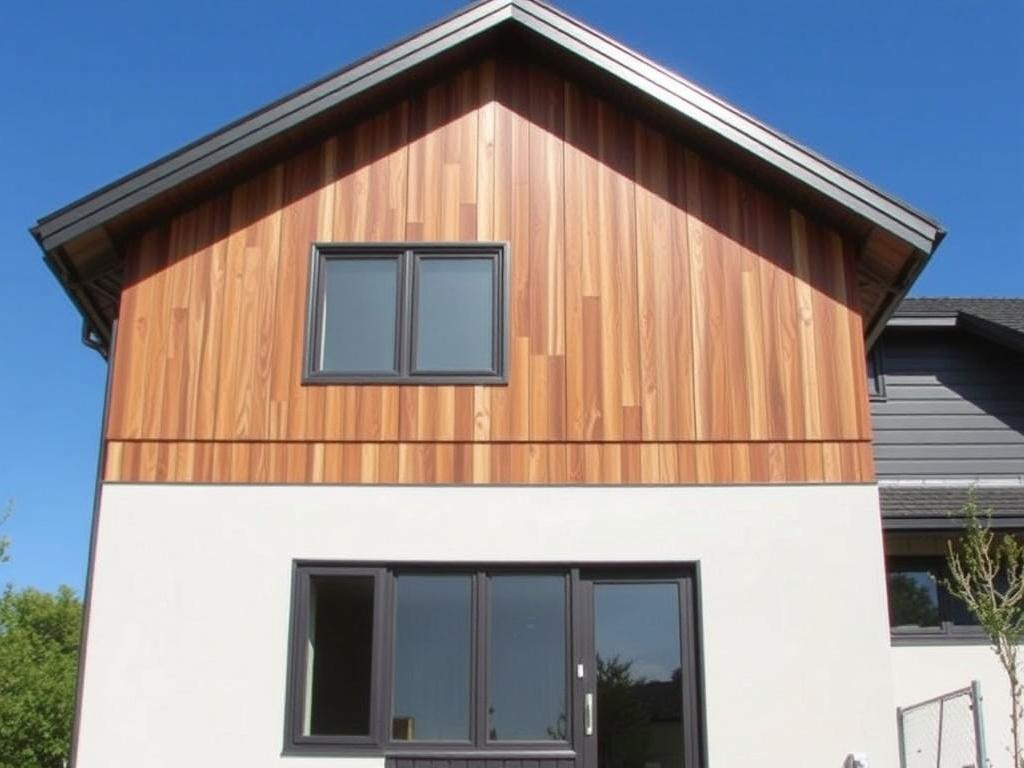
Engineered wood panels—such as oriented strand board (OSB) faced products or veneered fiberboards—offer wood grain aesthetics with improved dimensional stability. These systems are often factory-primed and can be less expensive than premium cedar, while providing consistent sizing and easier installation.
Moisture management is critical with engineered wood; it must be kept dry and protected with breathable wraps and proper flashing. When installed correctly, these products can deliver attractive results with fewer cracks and less cupping than solid boards.
Fiber cement: durability with a wide style range
Fiber cement siding blends cement, sand, and cellulose fibers into a product that mimics wood, stucco, or board-and-batten profiles. It resists rot, termites, and warping and holds paint well, making it a practical choice for busy homeowners seeking a long-lasting exterior.
Installation requires power tools and safety precautions due to silica dust; skilled installers improve the finish and longevity. While heavier and more labor-intensive than vinyl or engineered wood, fiber cement’s fire resistance and steady dimensional stability make it appealing in many climates.
Brick and stone veneer: permanence and texture
Masonry cladding evokes permanence and can be installed as full-thickness units or lighter veneer systems that attach to a backup wall. Brick and stone provide excellent durability, thermal mass, and a classic aesthetic that ages gracefully with little maintenance.
Veneer systems, while lighter, still require a robust moisture-management strategy—weep vents, proper flashing, and weep holes are non-negotiable. The upfront cost and masonry labor can be high, but lifecycle maintenance is typically low compared to organic claddings.
Stucco and EIFS: seamless surfaces and modern finishes
Traditional cement stucco and modern Exterior Insulation and Finish Systems (EIFS) create smooth, continuous facades and accommodate complex curves and integrated details. EIFS adds continuous insulation, boosting thermal performance when properly installed with drainage provisions.
Critically, both systems must be detailed to avoid water intrusion—poorly executed lath or lack of drainage has led to failures in older installations. Contemporary EIFS with a rainscreen cavity and high-quality installers can be an excellent choice for energy-conscious designs.
Metal cladding: sleek, contemporary, and resilient
Aluminum, galvanized steel, stainless steel, and weathering steel (Corten) offer modern lines and high durability. Metal panels, standing seam profiles, and perforated facades give designers precise control over form and rhythm while providing excellent fire resistance and low maintenance.
Thermal expansion, noise during rain, and corrosion potential in coastal environments must be addressed through appropriate gauge choices, coatings, and detailing. Proper insulation behind metal panels is essential to prevent condensation and heat loss.
Choosing between aluminum and steel
Aluminum resists corrosion and is lighter, making it easier to handle and install; steel is stronger and generally less expensive per panel. For coastal projects, marine-grade aluminum or stainless steel may be worth the premium to avoid pitting and rust.
Coatings and finishes—anodized, powder-coated, or PVDF finishes—extend color life and reduce fading, though the cost rises with higher-performance coatings. Metal can be recycled at the end of life, which supports circular material strategies.
Composite panels and high-pressure laminates
Aluminum composite material (ACM) panels, high-pressure laminate (HPL), and fiber-reinforced polymers provide flat, bold planes and vibrant colors. These systems are lightweight, have uniform finishes, and enable large panel spans for minimalist façades.
ACM panels often use a sandwich of metal skins with a core material; choose fire-rated cores in jurisdictions that require it. HPL offers a textured surface and robust impact resistance but requires precise joint detailing and competent installers for durable performance.
Vinyl siding: budget-friendly and low fuss
Vinyl remains one of the most affordable cladding choices, offering a broad palette and low-maintenance demands. It resists rot and insect damage and does not require painting, though it can fade and become brittle in extreme climates.
Vinyl is best considered where cost control is paramount and the architectural language can tolerate simpler profiles. Detail work—such as around windows and soffits—must be accurate to avoid gaps, and some local codes limit its use in certain high-fire zones.
Roof shingles as cladding and shingle-style exteriors
Wood or composite shingles and shakes can be used on both roofs and walls to create a cohesive, textured look. These materials work well on cottage, coastal, and Shingle-style homes, adding depth through varied shadow lines.
Shingles require maintenance similar to siding: periodic treatments, replacement of damaged units, and attention to flashing. Modern engineered shingles mimic the look with improved fire resistance and consistency, offering a compromise between authenticity and performance.
Reclaimed and natural stone: patina and sustainability
Salvaged wood, reclaimed brick, and natural stone connect a new build to history and reduce embodied energy by reusing materials. Their irregularity and aged patinas add instant character and can make a house feel established within its neighborhood.
Using reclaimed materials demands careful selection for structural soundness and consistent sourcing; it can slow schedules and raise labor costs. Yet when well executed, reclaimed cladding becomes a signature feature that tells a story and often outlasts alternative options.
Green walls and living façades
Vegetated facades bring biodiversity and passive cooling benefits while making a powerful visual statement. Living walls can be modular panels or fully integrated systems with irrigation, substrate, and plantings tailored to local conditions.
They require ongoing maintenance—irrigation, pruning, and seasonal plant replacement—and must be engineered to avoid moisture damage to the structure. For many homeowners, the ecological benefits and thermal shading make the extra care worthwhile.
Rainscreen systems: drying and durability
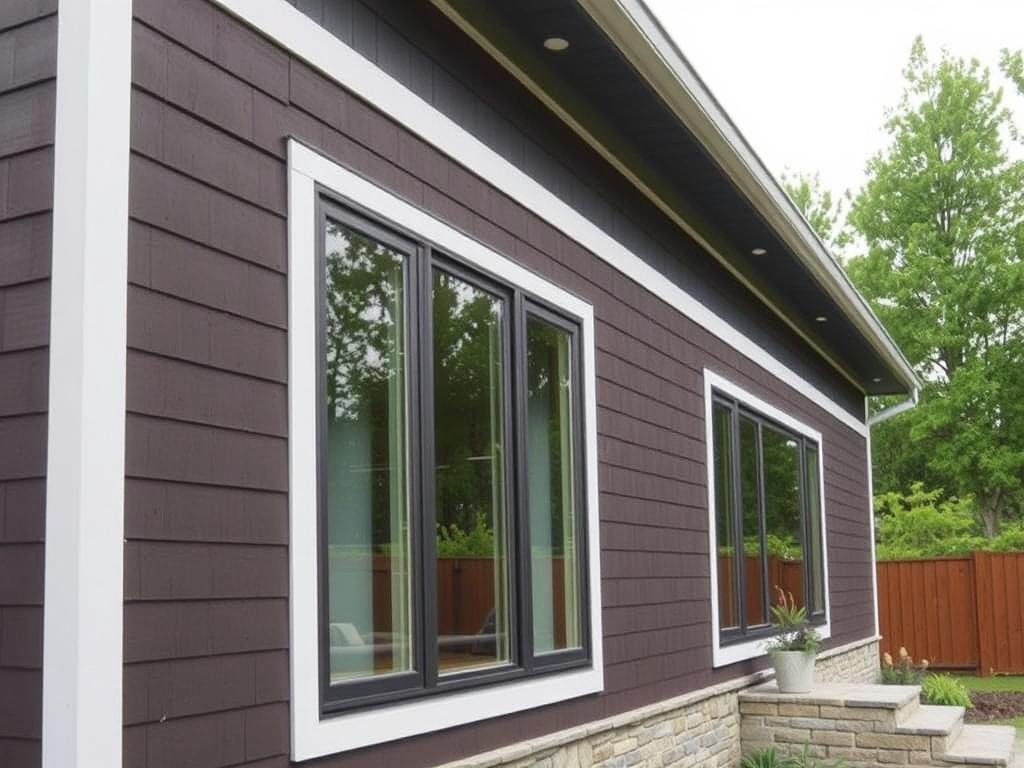
A ventilated rainscreen separates the outer cladding from the structural wall, allowing any infiltrated moisture to drain and evaporate. This approach significantly improves durability for most cladding materials, reducing the risk of rot, mold, and freeze-thaw damage.
Rainscreens add a small cost and require exacting detailing at windows, penetrations, and transitions, but they are now considered best practice for many modern builds. If you prioritize longevity and minimal moisture-related repairs, invest in a well-designed cavity and flashing strategy.
Direct-applied cladding: speed and economy
Some finishes are direct-applied to sheathing or substrate without a ventilated cavity—vinyl being a common example. This method saves on framing and furring but can limit the wall’s ability to dry and ventilate, which matters in humid or wet climates.
Direct-applied systems can work well with robust flashing, vapor management, and an understanding of the local climate. They typically require less initial labor but might cost more in maintenance or earlier replacement in harsher environments.
Insulated cladding and continuous thermal breaks
Claddings that incorporate exterior insulation—such as EIFS or insulated rainscreen panels—help eliminate thermal bridges and raise whole-wall R-values. Continuous insulation improves energy performance significantly and reduces heating and cooling demand over the building’s life.
Integrating insulation with weather-resistant barriers and detailing around openings is essential to maintain airtightness and condensation control. The energy savings often offset the higher material cost within the first decade of operation in many climates.
Fire safety and code considerations
Wildfire-prone regions and urban codes increasingly restrict combustible cladding, particularly on multi-story façades. Materials like fiber cement, metal, brick, and stone offer superior non-combustible properties, while composite panels must show appropriate fire-rated cores.
Always check local code and insurance requirements early in the design stage, because replacing an aesthetic preference due to compliance can be costly. In renovations, retrofitting non-combustible barriers and defensible detailing is often required to meet updated standards.
Cost comparison table
| Material | Typical lifespan | Maintenance | Approx. cost range | Fire resistance |
|---|---|---|---|---|
| Natural wood (cedar) | 20–40 years | Regular staining/inspection | Moderate–high | Combustible unless treated |
| Engineered wood | 20–35 years | Periodic painting | Moderate | Variable |
| Fiber cement | 30–50 years | Occasional repainting | Moderate | Non-combustible |
| Brick/stone veneer | 50+ years | Minimal | High | Non-combustible |
| Metal panels | 30–60 years | Low | Moderate–high | Non-combustible |
| Vinyl | 20–40 years | Low | Low | Combustible; code dependent |
| EIFS | 30–50 years | Low–moderate | Moderate–high | Variable, many systems non-combustible |
Aesthetics, color, and texture choices
Cladding choice determines not only color but how light plays across the surface—rough textures create deep shadows, while smooth panels produce reflective, monolithic planes. Consider how material will weather; some will mellow and patinate while others maintain their finish for decades.
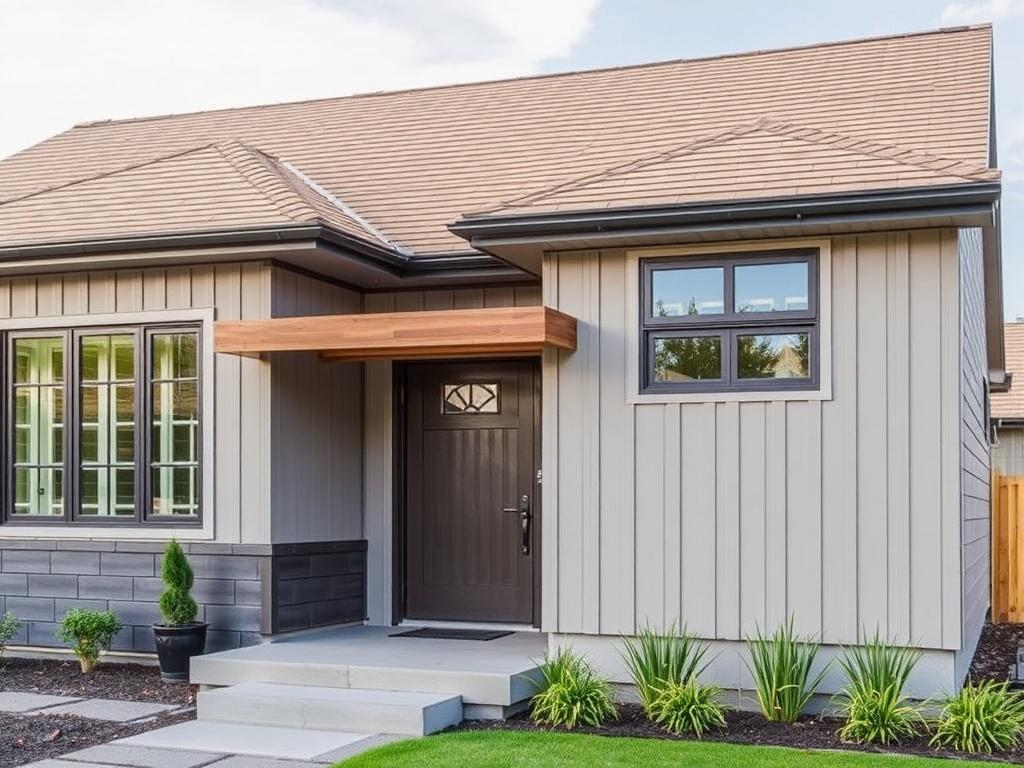
Combining materials—stone base with vertical metal panels, or cedar with fiber cement—can provide visual hierarchy and protect vulnerable areas. Use joints, reveals, and material transitions to express structural rhythms rather than as afterthoughts to hide poor detailing.
Regional and climate-specific advice
In coastal settings, prioritize corrosion-resistant fasteners and non-ferrous metals; in freeze-thaw zones, choose materials and cavities that allow water to escape. In humid climates, ventilated systems and breathable wraps reduce mold risk, while arid regions allow for different material choices with less concern for rot.
Fire-prone landscapes call for non-combustible cladding or defensible space strategies around the home. Adapting to your local climate at the design phase saves money and headaches later, so consult local builders and review house projects nearby for proven approaches.
Maintenance schedules and best practices
Create a simple, realistic maintenance schedule: annual inspections, repaint or reseal every 3–7 years depending on finish, and immediate attention to damaged flashings or seals. Document locations of flashings, access panels, and fastener types to streamline future repairs.
Small problems compound quickly—replacing a few rotten boards early avoids structural repairs later. I once delayed repairing flashing on a small addition, and trapped moisture led to a sheathing replacement that more than doubled the original repair cost.
Installation pitfalls to avoid
Poor flashing, insufficient cavity drainage, and incompatible materials are common causes of failure. Assume water will find any gap; design with redundant flashing and clear water paths to the exterior to avoid expensive remediation.
Pay attention to thermal expansion joints for large panel systems and ensure fasteners are compatible with the cladding material to avoid galvanic corrosion. Hiring experienced installers familiar with the chosen product is worth the premium for the reduced risk of callbacks.
Material sourcing and lead times
Specialty cladding and custom finishes can have long lead times; plan procurement early to avoid schedule slips. Sustainable sourcing—FSC-certified wood, recycled metal content, or reclaimed materials—can add complexity but provide environmental benefits and character.
Ordering a little extra material to match finishes for future repairs is a practical step that many homeowners overlook. Keep sealed samples and finish codes in the project record for future touch-ups or replacements.
Cost drivers and budgeting tips
Labor often dominates cladding costs, especially for masonry or intricate detailing. Material costs vary widely, but careful detailing and limiting complicated transitions can significantly reduce labor time and overall project expense.
Get multiple quotes focusing on scope clarity—explicitly define substrate prep, flashing, insulation, and finish work. A low bid that omits essential flashing or cavity components will cost more in the long run.
Lifecycle assessment and embodied carbon
Consider embodied carbon alongside operating energy: materials like concrete and aluminum have higher initial carbon footprints while wood and recycled metal can be favorable over lifecycle assessments. Exterior insulation and high-performance assemblies often offset embodied impacts through lower heating and cooling loads.
Choose materials with transparent sourcing information and look for environmental product declarations where available. The greenest option may be a durable material with low maintenance that avoids frequent replacement cycles.
Working with architects and contractors
Bring cladding decisions into early design conversations to align structural supports, rainscreen options, and window details. Architects can sketch assembly details, but the builder’s practical experience with specific products is invaluable for constructability and cost control.
Site visits during installation help catch deviations from the intended detailing; I frequently sit with the contractor to review critical junctions like soffits, parapets, and window heads to ensure they match the designed water-management strategy.
Permits, warranties, and product documentation
Check for manufacturer warranties, which can vary in coverage and conditions. Many warranties require proprietary fasteners or installers trained by the manufacturer—factor this into selection and quotes.
Obtain all product documentation, including installation manuals and finish codes, and keep them with the project records. They’ll be essential if you ever need to make warranty claims or guide future repairs and additions.
Designing for flexibility and future changes
Choose systems that allow for straightforward repairs, like replaceable panels or discrete cladding boards. Modular panels, and clip-based rainscreen systems, make future upgrades or replacements less invasive and cost-effective.
Plan for potential future penetrations—solar arrays, mechanical vents, and mounting points—so you don’t compromise the weather barrier later. Leaving a clear strategy and accessible routes will pay dividends when the home’s function evolves.
Common myths and misunderstandings
There’s a belief that heavier materials are always better; while heavy masonry is durable, it also imposes structural demands and cost. Conversely, light materials can be high-performing if integrated with good detailing and an appropriate rainscreen or insulation strategy.
Another myth is that a trendy cladding guarantees resale value. Ultimately, buyers value durable, well-detailed exteriors that look coherent with neighborhood context rather than just following fashion.
Checklist: selecting cladding for your project
- Assess climate risks: moisture, wind, salt, freeze-thaw, wildfire.
- Define priorities: longevity, budget, maintenance frequency, aesthetics.
- Check local code and insurance requirements for fire and hurricane ratings.
- Decide on a rainscreen and continuous insulation strategy early.
- Obtain multiple contractor bids that include substrate prep and flashing.
- Request samples and mock-ups on-site under real light conditions.
- Plan for future maintenance and document all product specifications.
Use this checklist as a conversation starter with your architect or builder to ensure choices are grounded in performance as well as style. It’s surprising how often clients prioritize color without a full discussion of detailing and consequences.
Real-world examples and lessons learned
On a house I helped renovate, we replaced failing vinyl siding with a fiber cement rainscreen and added a stone base to protect splash zones. The aesthetic change was dramatic, and the new assembly eliminated chronic damp stains that had required yearly repainting.
Another project used ACM panels to create a crisp, modern façade, but the client initially picked a non-fire-rated core that required replacement when the code review flagged the issue. That taught us to confirm compliance documents before ordering custom panels.
Where trends are headed
Contemporary trends favor mixed-material façades, strong horizontal lines, and deep shadow through reveals and large-format panels. Sustainability is influencing material choices and the integration of exterior insulation systems and recyclable materials.
Expect more prefabricated rainscreen panels and integrated cladding-insulation assemblies as manufacturers respond to labor shortages and demand for higher-quality, quicker installations. These systems can shift cost structures and shorten construction timelines.
Repair, retrofit, and repurpose strategies
When retrofitting older homes, it’s often possible to layer insulation and a rainscreen over existing siding rather than full removal, reducing waste and cost. Select breathable materials to avoid trapping moisture in historic substrates.
For aesthetic updates, partial repurposing—adding a stone veneer base or replacing weathered trim with durable alternatives—can refresh a façade without a full reclad. Always observe existing substrate condition before deciding on a partial approach.
Final thoughts on choosing a cladding solution
Choosing a cladding is a balancing act among aesthetics, performance, budget, and climate realities. Thoughtful detailing, realistic maintenance planning, and collaboration with knowledgeable trades will ensure the visible face of your home stays functional and beautiful for decades.
Invest time in samples, mock-ups, and conversations with local contractors; the right cladding will protect your investment and define the character of your home long after the paint fades. With the right choices, your exterior can be both an efficient envelope and a joyful expression of place and taste.