
Windows are more than pieces of glass in a frame; they are a house’s lungs and eyes, admitting light and air while governing comfort and energy use. A thoughtful window upgrade can reduce drafts, cut heating and cooling bills, improve comfort next to exterior walls, and change the way a room feels at every hour of day. This article walks through how to choose high-performance windows, the technology behind them, what proper installation looks like, and how to avoid the common mistakes that erase expected savings.
Why windows matter for comfort, health, and energy use
Windows are a surprisingly large pathway for heat transfer. Old single-pane windows, poor seals, and thermal bridging at frames let conditioned air escape and outside air in, forcing HVAC systems to work harder. Even windows that look intact may leak air around gaps or transfer heat through the glass and frame, raising energy bills and making rooms colder in winter or hotter in summer.
Beyond energy, windows influence daylighting, interior humidity, and condensation patterns that can affect building materials and indoor air quality. The right window reduces glare, protects furnishings from UV fading, and keeps interior temperatures more even so heating and cooling cycles shorten and humidity control improves. Those benefits add up to a home that feels fresher and functions better.
Investing in higher performance windows is not just about numbers on a sticker; it’s about improving the lived experience of a space. When windows are thoughtfully selected and properly installed, occupants notice fewer cold drafts, quieter rooms near busy streets, and more predictable utility bills month to month.
Key performance metrics explained
Understanding window labels makes comparison practical. The most important metrics are U-factor, solar heat gain coefficient (SHGC), visible transmittance (VT), and air leakage. Each describes a different kind of performance: U-factor measures overall heat transfer, SHGC gauges how much solar heat passes through the glass, VT indicates visible light, and air leakage quantifies how much outside air infiltrates through the window assembly.
U-factor is expressed as a number where lower equals better insulation. Windows with lower U-factors keep heat inside in winter and reduce unwanted heat loss. SHGC ranges from 0 to 1; in hot climates a lower SHGC blocks solar heat, while in cold climates a higher SHGC can let beneficial sun warmth in. VT matters for daylighting and views; higher values let more daylight through but can also increase glare.
Air leakage ratings are often overlooked but matter for comfort and energy. A well-sealed window with low air leakage will reduce drafts and help HVAC systems maintain set temperatures. Look for products with NFRC (National Fenestration Rating Council) labels; these standardized ratings let you compare different manufacturers and glass configurations on a consistent basis.
Glazing technologies: how glass does the heavy lifting
Modern windows use multiple panes, coatings, gas fills, and engineered spacers to reduce heat transfer. Double- and triple-pane units trap inert gases like argon or krypton between the panes to interrupt conductive heat flow. A properly sealed insulated glazing unit (IGU) remains effective for decades if installed and handled correctly.
Low-emissivity, or low-E, coatings are thin metallic layers applied to the glass that reflect infrared heat while allowing visible light through. Different low-E coatings target different wavelengths; some reflect summer heat, some retain winter heat, and some are balanced for mixed climates. Choosing the right coating depends on orientation, local climate, and whether you need solar control or passive solar gain.
Edge spacers between panes matter more than most homeowners realize. Traditional aluminum spacers conduct heat; warm-edge spacers—made from stainless steel, silicone foam, or thermoplastic—reduce heat flow at the perimeter and help reduce condensation. A durable spacer combined with a strong seal extends the life of the insulated glass and preserves performance over time.
Frame materials: durability, thermal performance, and style
Window frames are available in vinyl, wood, fiberglass, aluminum, and composite materials. Each material has trade-offs among cost, thermal performance, maintenance, and aesthetics. Wood offers natural insulation and a traditional look but requires painting or staining unless clad with aluminum or vinyl on the exterior. Vinyl is low-maintenance and affordable, but its look may not suit all homes.
Fiberglass frames are dimensionally stable, handle temperature swings well, and paint easily for custom colors. Aluminum frames are strong and sleek but conduct heat, so look for aluminum windows with a thermal break to reduce conductivity. Composite frames combine materials to try to capture the best attributes—moderate cost, low maintenance, and reasonable thermal performance.
Frame selection should consider durability for the local environment—salt air, intense sun, or heavy freeze-thaw cycles can accelerate wear—and the architectural style of the home. A historic home might require wood or custom-clad options to maintain appearance and allow for restoration of original sightlines and trim.
Choosing the right glass for your climate and orientation
Not every high-performance glass option suits every location. In northern climates, prioritize low U-factor and moderate or higher SHGC to harvest winter sun. In hot southern climates, aim for low SHGC to keep solar heat out and reduce air conditioning load. East- and west-facing windows often need shading or lower SHGC because of low-angle sun that brings intense heat and glare.
For homes with large glazing areas or significant passive solar exposure, consider dynamic options like solar control films, exterior shading devices, or mechanically operable shading systems. Spectrally selective low-E coatings transmit visible light while blocking infrared heat, making them suitable where daylighting matters but heat gain is undesirable.
Remember that how you use the space matters too. Rooms with a lot of electronic equipment or artwork may benefit from lower UV transmission. Bedrooms that require darkness should balance daylighting benefits with shading strategies. A thoughtful combination of glass type, coatings, and shading yields the best comfort and energy outcomes.
Installation types: full-frame replacement versus insert (pocket) replacement
There are two primary replacement approaches: full-frame (also called tear-out or flush) and insert (pocket) replacement. A full-frame replacement removes the entire existing window, including trim and part of the framing, to install a new window into the rough opening. This approach allows the contractor to correct rot, upgrade insulation, and improve flashing details, making it the best option when the existing window or surrounding structure is compromised.
Insert replacements fit into the existing frame and are less invasive, usually quicker and less expensive. Insert installs are appropriate when the existing frame is square, plumb, and in good structural condition. However, insert windows can limit opportunities to improve flashing, adjust the rough opening for better insulation, or correct structural issues, which may reduce long-term performance benefits.
When possible, choose full-frame installation for long-term performance and to ensure a proper air- and water-management strategy. If budget or schedule forces an insert install, inspect the existing frame carefully and be prepared to address any moisture or structural problems that would be easier to correct with a full replacement.
Water management and flashing: the unseen work that prevents problems
Good window installation is as much about keeping water out as it is about keeping air in. Flashing and proper integration with the house’s weather-resistive barrier (WRB) are essential. Without correct flashing, water can bypass the window and track into wall assemblies, causing rot, mold, and insulation damage.
Installers should use a sill pan or a properly sloped sill, apply continuous flashing tape at the bottom, and step-flash the jambs and head so water sheds to the exterior. The window should be integrated with the WRB in a shingle-like manner—WRB over head flashing, flashing tape under the sill and over the bottom flange—so any water that enters the assembly drains outward, not inward.
Inspect the job for solid attachment, continuous flashing, and a sloped sill. Even high-performance glass and frames won’t protect a home if the flashing is improperly installed. A careful installer leaves visible, well-bonded flashing and documents the sequence so future inspections can confirm the work was done correctly.
Air sealing and insulation: filling the gaps that matter
Air sealing around the window frame is crucial both for comfort and energy. After placing the window, installers should shim the unit plumb and square, then backer-rod and seal joints with low-expanding foam or approved caulks designed for windows. Excessive foam can bow frames and affect operation, while low-expansion products avoid that problem and still provide excellent thermal and acoustic performance.
Thermal bridging at the frame-to-wall interface can be reduced with continuous exterior insulation or insulated jamb extensions where practical. On the interior, modest spray foam and trim with airtight sealing reduce drafts. The goal is an airtight interface so the window and surrounding wall perform as a unified assembly rather than a series of leaky seams.
For passive house or very low-energy homes, installers may use specific airtightness strategies and materials that meet rigorous standards. Even in conventional homes, airtight installation pays dividends through improved comfort and modest energy savings that compound over time.
Measuring windows: accuracy prevents costly mistakes
Accurate measurement is the foundation of a successful replacement. Measure both the rough opening and the existing frame because differences can occur due to settling, rot, or paint buildup. Measure width in multiple places (top, middle, bottom) and height at left, center, and right; use the smallest measurement as the ordering dimension when doors and windows are rectangular but not perfectly square.
Decide whether you’ll install a standard-size replacement or order a custom unit. Custom sizes allow better fit, fewer filler trim pieces, and often improved thermal performance if you can place the frame optimally in the wall. Keep in mind that custom windows add lead time and cost but reduce on-site modification and potential error.
When uncertain, request that your installer measure and provide a written dimension verification before manufacture. Many manufacturers require signed measure forms to avoid returns and field modifications, so taking the time to confirm measurements prevents delays and extra expense.
Permits, codes, and compliance
Window replacements sometimes trigger building permits and must meet local energy codes. Requirements vary by jurisdiction, but common rules address egress for bedrooms, safety glass near doors and showers, and U-factor or SHGC minimums in some climates. Check with local building departments or ask your contractor to handle permitting and inspections.
ENERGY STAR has climate-zone-specific criteria that many regions adopt as a standard for performance, and some utility rebates require windows to meet ENERGY STAR or NFRC specifications. Having a contractor who understands local codes and how to document compliance will save headaches at inspection and ensure your upgrade qualifies for any incentives.
Document the work: keep invoices, NFRC labels, and manufacturer warranties. These documents support rebate applications and demonstrate compliance if a future buyer or inspector asks about the windows’ energy properties and installation history.
Cost, savings, and incentives—how to evaluate ROI
Replacement windows are an investment. Costs vary widely by frame material, glass options, complexity of installation, and whether you replace multiple units at once. Instead of focusing only on upfront price, consider lifetime costs including energy consumption, maintenance, and expected lifespan. Higher-quality windows typically last longer and can mean lower total cost per year of service.
Energy savings from window upgrades depend on the starting point. Replacing single-pane windows in a cold climate with high-performance double- or triple-pane units can reduce heating bills noticeably, while swapping modern existing double-pane windows may yield smaller incremental savings. Typical utility bill reductions vary; consult local resources and ENERGY STAR savings estimates for an idea specific to your climate and house.
Many local utilities, state programs, and federal incentives provide rebates or tax credits for qualifying window upgrades. These programs often have documentation requirements and approved product lists. Collecting rebate paperwork before installation and having the installer sign necessary certification helps move the process smoothly.
Choosing the right installation team
Window performance depends as much on installation as it does on product selection. Seek installers with verifiable experience, positive references, and who follow manufacturer installation instructions and best practices for air and water management. Ask for examples of recent jobs and permission to contact past clients.
Ask installers specific questions: how do they flash and seal windows, which sealants and tapes do they use, do they perform full-frame or insert replacements, and how do they handle rough openings that show rot? A professional will explain their approach and why certain details—like a sill pan or low-expansion foam—are necessary for long-term performance.
Obtain multiple quotes and compare scope, not just price. The cheapest bid can hide omitted steps that matter for durability, while the highest bid may include unnecessary extras. Look for balanced proposals with clear workmanship warranties, product warranties, and a written schedule that outlines how they will protect adjacent finishes during demolition and installation.
Warranty and documentation
Windows come with two warranties: product (glass and frame) and installation or workmanship. Manufacturers’ warranties cover defects in materials or assembly for a specified period, while reputable installers provide limited warranties on their labor. Read both carefully; verify who is responsible for seal failure, hardware replacement, and finish issues like paint or cladding failure.
Some warranties are transferable to a new homeowner for a limited time, which can be a selling point when you eventually sell the house. Keep records of the purchase, NFRC labels, and the installer’s job completion documents. These documents are helpful for claims and for future buyers who want to understand what was done and when.
Understand exclusions: damage from improper maintenance, movement of the building, or unauthorized modifications can void warranty coverage. Ask the installer to explain routine maintenance tasks the warranty requires, such as reapplying sealant or adjusting hardware.
Maintenance to protect performance over time
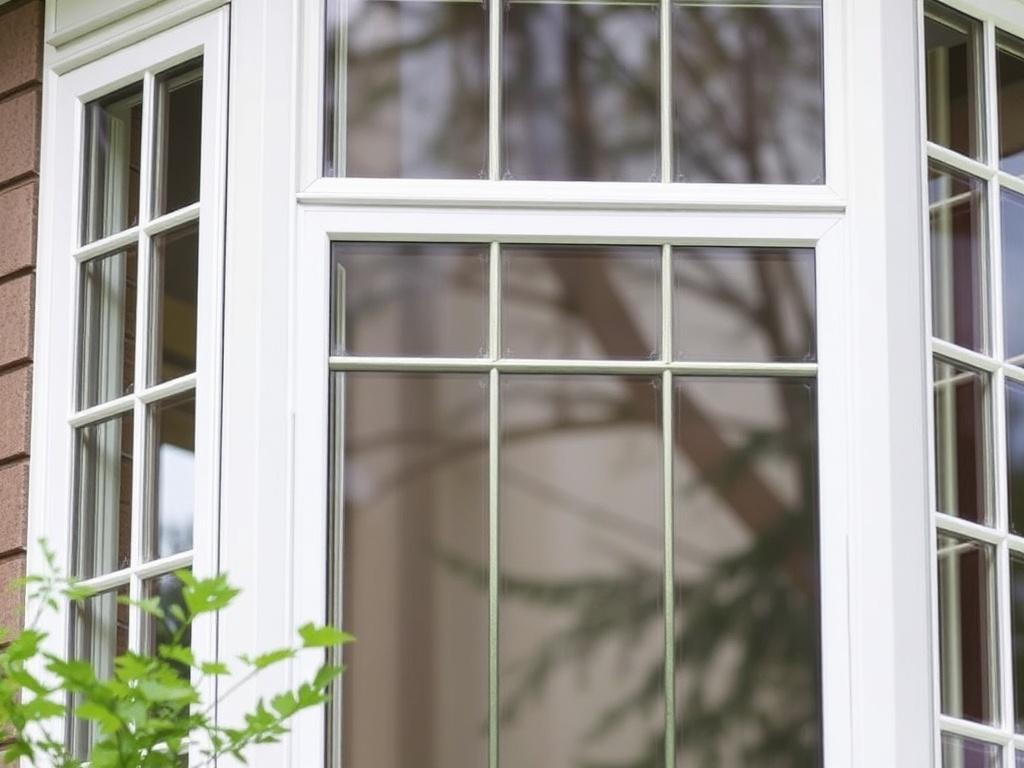
Even low-maintenance windows need occasional attention. Clean tracks, inspect seals, and lubricate moving parts annually. Check for signs of water intrusion, paint failure on wood frames, or cracking in sealants. Early detection of a small issue prevents expensive repairs and preserves thermal performance.
Glass coatings generally do not require special cleaning chemistry, but harsh abrasives and ammonia-based cleaners can damage coatings over time. Use mild cleaners and soft cloths recommended by the manufacturer, and avoid scraping the surface. For hardware and weatherstripping, follow the maintenance schedule in the owner’s manual to keep operation smooth and airtight.
Inspecting windows after heavy storms or temperature extremes can reveal problems early. Condensation between panes indicates a seal breach and usually requires IGU replacement. Exterior inspections after high winds or hail events let you identify damaged frames or cladding before water entry or secondary damage occurs.
Common installation mistakes and how to avoid them
Poorly flashed sills, over-application of expanding foam, misaligned frames, and failure to integrate the WRB are common missteps that undermine performance. Avoid contractors who shortcut flashing or who seem unfamiliar with housewrap integration. These are not decorative details—they protect the building envelope.
Over-tightening fasteners or using high-expansion foam against vinyl frames can warp frames and impair operation. Insist on low-expansion foams designed for window installation and on shim placement that supports the frame without inducing stress. Verify that the installer uses fasteners of appropriate length and spacing as per manufacturer instructions.
Another common issue is failing to plan for condensation and drainage. Ensure the new installation maintains a sloped sill or has an engineered sill pan with clear drainage paths. Expect years of trouble if water can pool or sit against vulnerable surfaces after storms.
Real-life example: replacing windows in an older bungalow
When I replaced the windows in a century-old bungalow, the project taught me how much invisible detail matters. The house had original wood frames painted shut, soggy jambs in places, and glass that rattled on windy days. We chose a full-frame replacement to expose and replace rotted framing, add continuous insulation where possible, and install windows with balanced SHGC and low U-factor for our climate.
Working with a contractor who used a sill pan, flashing tape, and low-expansion foam made a clear difference. The interior felt warmer at the window plane that first winter, and the heating cycles on the thermostat shortened noticeably. The project cost more than an insert replacement but avoided a patchwork job and eliminated recurring maintenance headaches.
The best practical tip I took away was to inspect as much as possible before finalizing an approach. Photographs of the rough openings, agreement on flashing methods, and a walkthrough of the weather barriers prior to closing the walls made everyone accountable. The assurance that the windows were installed as specified was worth the extra coordination time.
Sample installation checklist
Use a checklist to keep the project on track. Below is a concise list you can adapt for your job and present to bidders so everyone is bidding the same scope.
- Verify rough-opening measurements and documented takeoff.
- Decide full-frame or insert based on frame condition.
- Specify NFRC-rated units with required U-factor and SHGC.
- Confirm sill pan and flashing tape details; ensure WRB integration.
- Ensure use of low-expansion foam and specified sealants.
- Document fastening schedule and shimming locations per manufacturer.
- Inspect for proper drainage and sloped sill before closing exterior.
- Perform final operation and air-leak check; document by photo.
- Collect manufacturer labels, invoice, and warranty paperwork.
Having this checklist in writing reduces ambiguity and forces contractors to account for performance-critical details that are often omitted in low‑bid proposals.
Typical product comparison table
Below is a compact table to compare common window options for quick reference. Values are generalized ranges and should be confirmed with manufacturer NFRC data for specific products.
| Feature | Vinyl double-pane | Fiberglass double-pane | Triple-pane (composite) |
|---|---|---|---|
| Typical U-factor | 0.30–0.50 | 0.28–0.45 | 0.18–0.30 |
| Maintenance | Low | Low–moderate | Low |
| Durability | Good | Very good | Very good |
| Typical cost | Moderate | Moderate–high | High |
Use specific NFRC labels and manufacturer details to finalize choices for your project. The table is a starting point, not a specification substitute.
How to evaluate payback and prioritize projects
Not every window in a house delivers the same value when upgraded. Prioritize windows on the most thermally exposed walls, the largest single-pane units, and those that face prevailing winds or have persistent drafts. Bedrooms and living spaces where occupants spend lots of time often provide more perceptible comfort benefits than small auxiliary rooms.
To estimate payback, calculate current annual heating and cooling costs attributable to windows, then apply estimated percentage savings from the upgrade based on local climate and the current condition of the windows. Divide the net cost of the upgrade by annual savings to estimate the simple payback period. Remember that non-energy benefits—reduced maintenance, improved comfort, and increased resale value—aren’t captured in simple payback but matter in real decisions.
If budget is limited, consider staged replacement: prioritize the worst-performing elevations or rooms, or replace only the very worst windows first. Many owners find that replacing several windows at once yields volume discounts and a more immediate perceptual improvement in the home’s overall comfort.
Incentives, rebates, and documentation
Many utility programs and state energy offices offer incentives for qualifying windows and installations. These programs often require specific ENERGY STAR or NFRC performance criteria and documentation showing the product and installation meet program rules. Check with local utility providers and state energy offices early, because paperwork or pre-approval may be necessary.
For federal tax credits, eligibility rules can change periodically. Keep careful records of product model numbers, NFRC labels, invoices, and installation dates. If you plan to claim a credit or rebate, talk with your installer about the exact documentation required and keep both digital and hard copies in an organized folder.
In some cases utility programs will perform post-install inspections to verify that the work matches the rebate application. Make sure your installer knows about any required inspections and will cooperate with scheduling and access to the job site.
Energy-efficient window installation: final considerations
Energy-efficient window upgrades succeed when product selection and installation are treated as a single system. Choose glass, frame, and spacer combinations that meet the right performance targets for your climate, and pair them with installation methods that protect the house from air and water infiltration. Cutting corners in either product or installation compromises the whole job.
Plan the project timeline, clarify whether a full-frame tear-out or an insert replacement is appropriate, and build in time for permit processing and rebate documentation. Use a checklist to hold contractors accountable and insist on manufacturer‑recommended installation practices that include proper flashing, shimming, and low-expansion sealing.
When done carefully, a window upgrade rewards you with more consistent indoor temperatures, reduced drafts and noise, and lower operational costs that compound over the life of the window. Thoughtful planning, careful installation, and a commitment to good details turn a simple replacement into a long-term improvement in how your home performs and feels.