
Construction projects churn through materials, labor, and time at a pace that can feel unstoppable, and the mountain of leftover materials and debris that follows too often becomes an afterthought. Yet when teams pause to reimagine how they handle that debris, the benefits are immediate: lower disposal bills, reduced procurement needs, fewer schedule interruptions, and a smaller environmental footprint. This article walks through practical strategies, material-specific tactics, and the cultural changes that turn a messy site into a lean, productive one without adding bureaucracy.
Why construction waste matters now
The construction and demolition sector produces some of the largest waste streams in many economies, and the cost of sending materials to landfill is rising along with regulatory pressure and community scrutiny. For owners and contractors the imperative is financial as well as ethical: unsorted waste increases tipping fees and misses opportunities to reclaim value from reusable or recyclable materials. Addressing this on site is not just about compliance; it’s about recovering resources and protecting project schedules from last-minute waste issues that can ripple into delays.
Beyond costs, better waste handling reduces safety hazards. Loose debris creates trip hazards and obstructs workflows, slowing crews and increasing the risk of incidents that cost time and money. Proper sorting and storage free up space, streamline material flows, and make it easier for crews to do their jobs well. That operational clarity often leads to an unexpected but welcome side effect: improved morale among workers who operate in cleaner, more organized environments.
Understanding common waste streams on site
To manage waste effectively you have to know what you’re dealing with. Typical streams include concrete and masonry, wood and pallets, metals, drywall (gypsum), mixed plastics, glass, packaging, soil and inert fill, and hazardous items like paints, solvents, adhesives, and contaminated materials. Each stream has different separation, storage, and disposal requirements—and different opportunities for reuse or recycling.
Some waste is valuable and often recoverable: clean metal, untreated wood, and concrete can be recycled or crushed for reuse. Other categories require more care: painted or chemically treated wood, asbestos-containing materials, and certain adhesives are regulated and need special handling. Proper classification up front reduces surprises and prevents misdirected loads that attract fines or additional handling charges.
- Major nonhazardous streams: concrete, metals, wood, drywall, roofing materials, mixed rubble.
- Packaging and general refuse: cardboard, plastic wrap, shrink film, and lunchroom trash.
- Hazardous and special: paints, solvents, radiographic film, contaminated soil, and asbestos.
Knowing your waste profile early makes design and logistics decisions easier; it’s the baseline for diversion targets and cost estimates that actually reflect site realities rather than generic assumptions.
Regulatory landscape and standards
Local, state, and federal regulations govern how construction waste is classified, stored, transported, and disposed of, and requirements vary widely by jurisdiction. Some municipalities mandate diversion targets or ban certain materials from landfill, while others offer incentives for recycling and reuse. Staying current with rules for hazardous waste, stormwater controls for stockpiles, and landfill bans for recyclables is nonnegotiable—compliance is the floor beneath any good waste program.
Industry standards and green building programs add another layer. Certifications such as LEED often award points for construction waste diversion, and several rating systems expect documentation like hauling manifests and weigh tickets. Including compliance checks and documentation workflows in the waste plan avoids last-minute scrambles to produce records when auditors or owners request evidence of achievement. This reduces risk and preserves the value of diversion efforts.
Hierarchy of waste management for builders
Good strategy follows a simple hierarchy: prevent, reduce, reuse, recycle, recover energy, and dispose. Prevention comes first because the best waste is the waste you never generate—design smarter, order accurately, and protect materials so fewer items become waste. After prevention, prioritize reuse on site and salvage for other projects, then recycling, which recovers raw material value. Energy recovery and disposal are last resorts and should be used only when other options are infeasible.
| Priority | Actions |
|---|---|
| Prevent | Design optimization, accurate take-offs, supplier packaging reduction |
| Reduce | Prefabrication, just-in-time deliveries, inventory controls |
| Reuse | Onsite re-use, salvage for other projects, resale of materials |
| Recycle | Segregation for metals, wood, concrete, drywall, plastics |
| Recover/Dispose | Energy-from-waste where allowed; landfill as last option |
Use the hierarchy as a decision tool: before ordering more material or sending a load to landfill, run it against this list and ask which level applies. That small habit prevents costly, reactive decisions.
Planning and design for less waste
Waste reduction starts on paper. Rationalizing design dimensions to standard material sizes, specifying modular or prefabricated components, and minimizing complex, one-off elements reduces cut waste and leftover fragments. Early coordination with suppliers who can deliver custom lengths or preassembled components often saves both material and labor time on site.
Accurate takeoffs and an inventory system that tracks what’s delivered and what’s used are fundamental. A lot of overordering happens because contractors fear shortages; a trusted, documented process that allows quick reorders safely reduces the need to buy excess. Pair that with protected on-site storage—sheltered areas for lumber and weatherproof coverings for materials—and you minimize weather-related waste and damage.
Onsite segregation and practical sorting systems
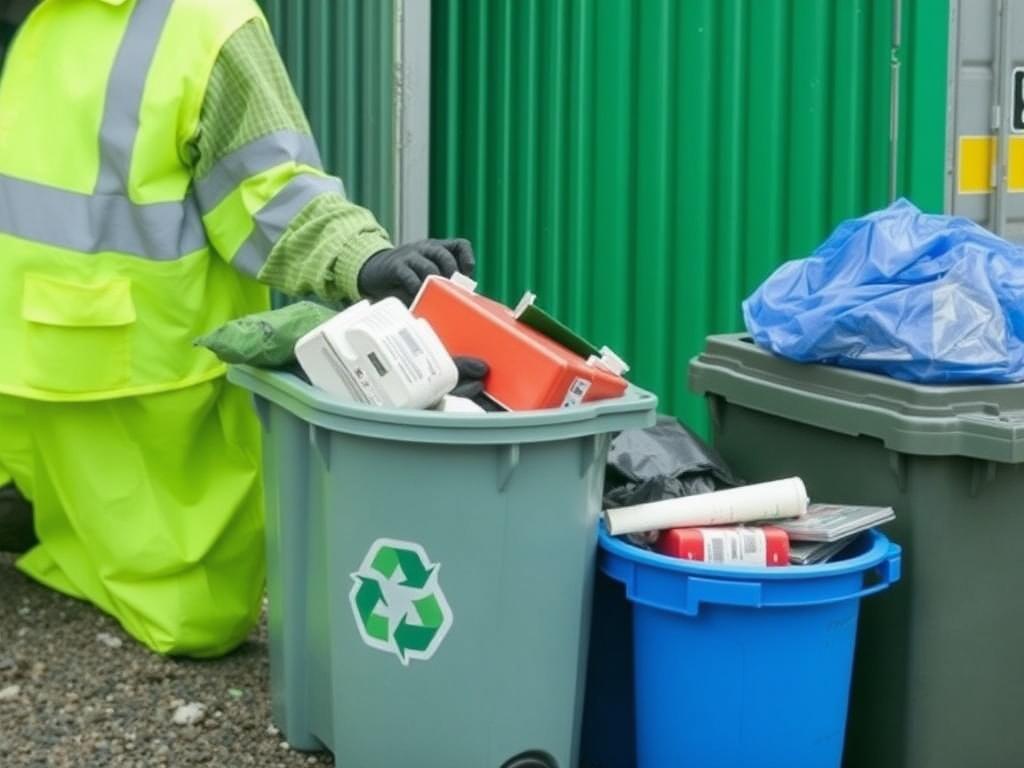
Segregation is the backbone of any recycling program: cleanly separated streams are marketable and usually cheaper to manage than mixed loads. Establish clear zones for segregated bins or roll-offs, with signage that matches contractor language and photographs for clarity. Place these zones where crews naturally pass to reduce handling time and increase compliance.
Decide on the number and types of containers based on the anticipated volumes of each stream; avoid too many streams early on, which can confuse crews. For many projects, separate containers for metal, clean wood, cardboard, drywall, and general trash provide a high diversion rate without excessive complexity. Routinely evaluate volumes and adjust the mix of containers—flexibility keeps the program efficient as work phases change.
- Color-coded bins for quick visual cues.
- Photographic signage showing acceptable and unacceptable items.
- Temporary drop-off points for bulky items awaiting sorting or salvage.
Materials-specific strategies
Concrete, masonry, and asphalt
Concrete and masonry are heavy but highly recyclable. Crushing clean concrete into aggregate for use as fill or subbase reduces disposal costs and the need to import new aggregate. Specifying on-site crushing or arranging for a nearby plant to accept clean loads is one of the most effective diversion moves on large projects.
Manage contamination risk by separating concrete from soils and wood that can introduce organics. Avoid mixing rebar and embedded metals in concrete if you plan to crush or reuse it; locate cutting and breaking operations where metals can be collected for recycling. Tracking tonnages with weigh tickets helps demonstrate the value recovered from recycling.
Wood and pallets
Untreated lumber and pallets are broadly recyclable or reusable. Implement a pallet return program with suppliers, and designate clean wood for reuse in temporary works like formwork, bracing, or hoarding. When reuse is exhausted, chip or grind clean wood to produce mulch or engineered fuel for permitted facilities.
Painted, treated, or engineered wood should be segregated because those treatments complicate recycling and sometimes classify the material as special waste. Educate crews to identify treated lumber and provide separate containers to avoid contaminating the clean wood stream.
Metals
Metals—steel, copper, aluminum—carry intrinsic value and are among the easiest materials to divert profitably. Centralize metal collection points and ensure pieces are de-nailed and reasonably clean to maximize payments from scrap yards. Schedule periodic pickups to avoid hoarding space but allow accumulations to reach economic thresholds for hauling.
Small, valuable items like fixtures and fasteners should be consolidated rather than thrown away. A single organized bin for small metals saves time during final cleanups and usually yields useful returns that offset collection costs.
Drywall (gypsum)
Clean gypsum board can be recycled into new gypsum products or used as soil amendment in some agricultural contexts when processed correctly. Keep drywall separated from wet or chemically contaminated materials, because moisture and contamination reduce recyclability and increase disposal costs. Store sheets flat and dry to prevent breakage and reduce the generation of dust and scraps.
During demolition, remove gypsum carefully to minimize contamination. Invest in reusable drywall sacks or enclosed containers to keep gypsum separate during transit on busy sites and reduce dust emissions for safety and neighbor relations.
Plastics and packaging
Packaging waste—shrink wrap, straps, bubble wrap, and foam—adds up quickly but is often recyclable through dedicated streams. Compact and bale plastic film where possible; many recycling centers accept baled film from construction and distribution centers. Encourage suppliers to minimize packaging or to accept returns of pallet wrapping where feasible.
Rigid plastics used in products (PVC piping, conduits) can sometimes be reclaimed depending on local markets and contamination levels. Coordinate with recyclers early to understand acceptable forms and preparations for these materials to avoid rejected loads and extra handling fees.
Hazardous and special wastes
Hazardous wastes—old paints, solvents, adhesives, and contaminated soils—require permitted handling, manifesting, and disposal. Treat these streams with strict segregation, lockable containers, and labeled storage to meet regulatory obligations and protect worker safety. Dispose of hazardous material only through licensed contractors who provide proper documentation and disposal certificates.
Asbestos, lead-based paint removals, and other regulated abatement activities should be planned as separate work packages with dedicated crews and containment. These activities must never be mixed into general debris and should be scheduled to minimize cross-contamination with other trades.
Recycling operations and offsite processing
Knowing what local recyclers will accept—and at what quality—changes the economics of a diversion program. Some recyclers require clean, sorted materials; others accept mixed loads at a discount. Build relationships with reputable processors, visit their facilities, and get written acceptance criteria to prevent material rejection and return trips that undermine savings.
When possible, use processors that offer documentation and regular reporting so you can claim diversion and track recovered tonnages. Where markets are thin, consider collaborative arrangements with other contractors or material brokers to consolidate loads and reach minimum shipment thresholds for profitable processing.
Logistics, tracking, and measurement
Accurate measurement turns a concept into a program. Track tons or cubic yards by material and record haul tickets, weights, and destinations. A simple spreadsheet or a dedicated waste-tracking app provides the data owners and auditors will want, and it makes internal decisions—like when to order another roll-off—data-driven rather than guesswork.
Key performance indicators should include diversion rate (percentage of total waste diverted from landfill), cost per ton of waste handled, and the value recovered from recyclables. Chart these over time to spot trends and improve the program as work phases shift. Regular reporting maintains momentum and helps teams justify program resources to owners and subcontractors.
| Metric | Example target |
|---|---|
| Overall diversion rate | 50%–75% depending on project type |
| Recycling contamination rate | <5% |
| Cost per ton of waste handled | Project-specific; track monthly |
Costs, savings, and the business case
Upfront costs for a waste program—staff time, signage, extra containers—are real but often small compared with potential savings from reduced landfill fees and material recovery. Metal recycling and pallet returns frequently cover operational costs, while reduced ordering and better inventory control prevent material overpurchase, a subtle but steady source of savings. Don’t overlook soft savings: fewer delays, fewer reworks, and improved crew efficiency have tangible value in accelerated timelines.
Prepare a simple financial pro forma that compares baseline disposal costs with projected outcomes from diversion: estimated tons recycled, revenues from recovered materials, and avoided landfill tipping fees. Add likely operational savings from reduced procurement and a conservative estimate for risk reduction from compliance. Presenting numbers to owners and project managers in this format turns what might look like an environmental nicety into a clear business decision.
Training, incentives, and culture change
No program succeeds without people on board. Invest time in short, practical training sessions for crews and subcontractors that explain the why and how of sorting, storage, and contamination prevention. Keep sessions hands-on: show the bins, point out common mistakes, and use photos of correct versus incorrect loads to make the expectations concrete.
Positive reinforcement works: small incentives for crews who maintain organized zones, weekly recognition for subcontractors with the best sorting rates, or a simple pizza lunch for meeting diversion targets can change habits faster than repeated memos. Make the recycling program part of daily toolbox talks and safety briefings; tying it to routine communications embeds the practice into normal operations.
Technology and innovations
Technology makes measurement and logistics easier. Smartphone apps let supervisors log loads, upload photos, and track weights in real time, providing instant transparency across teams and for owners. RFID tags and GPS tracking on roll-offs help manage container inventory and optimize pickup schedules to minimize idle time and unnecessary transport.
Emerging materials innovations—like take-back schemes from manufacturers, reuse marketplaces for salvaged items, and portable on-site crushing or grinding equipment—are expanding options for diversion. Evaluate these tools for the right project types; not every innovation fits every job, but they can unlock diversion opportunities previously out of reach for many sites.
Common challenges and how to overcome them
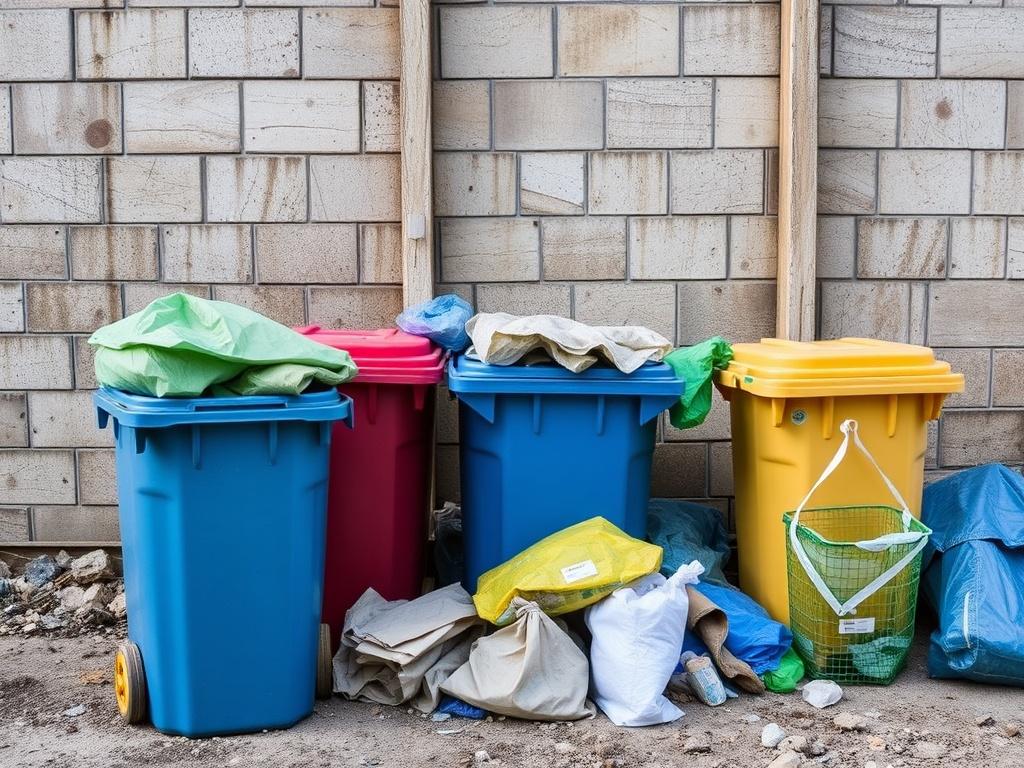
Resistance to change and the fear of added work are common blockers. Address these by demonstrating time-saving practices—short videos showing fast, correct sorting, or quick wins like fewer daily cleanups when bins are properly used. Engage foremen early; their buy-in influences crew behavior more than corporate memos.
Contamination of recyclables is another frequent headache. Combat it with visual signage, color-coded bins, and routine inspections with immediate feedback. If contamination persists, simplify streams temporarily and reintroduce complexity gradually as crews adjust. Consistent, small corrections are more effective than punitive measures that breed resentment.
Case studies and personal experience
On a mid-rise apartment project I helped manage, introducing a simple three-stream program—metals, wood, and general refuse—raised our diversion from roughly 25% to more than 55% within three months. The key was pragmatic communication: we held short tailgate talks where foremen could ask questions, swapped confusing labels for photo-based signage, and put a single crew member in charge of monitoring loads before pickup. The improvements reduced monthly disposal bills and created income from scrap metal that funded site safety upgrades.
Another memorable project involved a renovation of a commercial building with substantial salvage potential. By staging an early deconstruction phase and coordinating with a local salvage dealer, we reclaimed architectural elements and fixtures that were resold rather than hauled. The owner benefited from sales proceeds and a faster permitting path because the diversion plan satisfied local requirements—showing how planning and market knowledge can convert waste into value.
How to start a program on your next project
Starting is less about perfect plans and more about practical steps that build momentum. Begin with a simple waste characterization: walk the site with a clipboard, note what’s generated, and estimate volumes. Use that snapshot to pick three priority streams that will yield the most diversion for the least complexity. Launch a pilot with clear signage and a site champion, then scale the program as the team gains confidence.
- Conduct a waste audit to identify major streams and volumes.
- Set realistic diversion targets based on the audit and project type.
- Choose containers and placement with input from foremen.
- Train crews with short, practical sessions and visual guides.
- Track tons, costs, and contamination; report monthly and adjust.
Starting small reduces resistance and gives measurable wins that justify further investment. Keep the program iterative—continuous improvement beats perfectionism every time.
Monitoring, reporting, and certification
Documentation is the backbone of both regulatory compliance and owner expectations. Keep records of weigh tickets, disposal manifests, and receipts from recyclers, and link them to phases of work and locations. This data supports claims for recycling credits, meets audit requirements for green building certifications, and demonstrates transparency to stakeholders.
When pursuing certifications or green building points, align your monitoring system with the documentation requirements early in the project. Periodic internal audits of waste stations and container contents help catch issues before an external audit. Reporting monthly to owners and including simple visual dashboards makes the program tangible and keeps leadership engaged in the program’s success.
Partnerships, markets, and community benefits
Successful programs often rely on partnerships—with suppliers who take back packaging, with local recyclers that accept complex streams, and with nonprofit salvage organizations that find reuse markets for architectural materials. These relationships expand options beyond landfill and can provide social benefits like donating usable fixtures to community organizations. Think of partnerships as an extension of your supply chain that helps close loops.
Engaging local authorities and neighbors early minimizes complaints about dust, truck trips, or noisy operations related to sorting and recycling. Transparent communications and predictable schedules for pickups reduce friction and build goodwill, making it easier to operate efficiently while maintaining strong community relations.
Scaling programs across portfolios
Once a successful approach has been proven on one project, scale requires standardization and central support. Develop a company-wide waste strategy that includes templates for waste plans, standardized signage, preferred haulers, and centralized data collection. Centralized procurement of containers and recyclable services often achieves better pricing and consistency across jobs.
Train regional champions who can adapt the standard program to local market realities and regulatory environments. The goal is a flexible playbook that ensures basic best practices are used everywhere while allowing project teams to fine-tune operations for their specific conditions.
Final thoughts on building better sites
Waste management is often framed as a compliance chore, but when treated as an operational discipline it becomes a competitive advantage. Cleaner, more organized sites run better, finish faster, and cost less. The practices described here do not demand heroic effort—small, consistent actions and attention to process yield meaningful results that owners, crews, and communities appreciate.
Start with realistic goals, measure honestly, and keep the program visible and straightforward for the people doing the work. With the right planning, a construction site can be a productive, safe place that recovers materials and money instead of creating a costly headache. That shift is what makes sustainable construction practical and profitable at the same time.