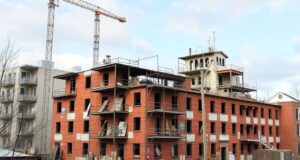
Fire safety in commercial buildings can feel invisible until it matters most. Behind lobbies and glass façades, a network of equipment, design decisions, and human protocols stands ready to protect lives, property, and business continuity. This article walks through the technologies, codes, and practical choices that define effective fire protection on commercial projects today.
Why fire safety deserves center stage during design
Designing a commercial building without integrating fire safety from the earliest sketches is asking for costly rework and regulatory headaches. Fire protection influences everything from floor-to-floor heights and corridor widths to finish materials and elevator locations. Early coordination keeps the project budget honest and prevents late-stage compromises that erode safety.
Owners often think of sprinklers and alarms as off-the-shelf items, but those systems are only parts of a larger strategy. Fire safety is an ecosystem: detection, suppression, compartmentation, egress, and operations must work together. Treating each element in isolation leads to gaps where risk can hide.
Codes, standards, and the design framework
Codes set the minimum performance baseline, and in the U.S. those baselines are typically the International Building Code (IBC) and the National Fire Protection Association (NFPA) standards. Local amendments and fire department requirements create a patchwork that design teams must navigate carefully. Compliance is mandatory, but meeting it is not the same as achieving optimal safety.
Fire protection engineers translate code language into practical designs, performing hazard classification, occupant load calculations, and hydraulic analyses for sprinkler systems. Their models help determine required fire-resistance ratings, sprinkler densities, and alarm system thresholds. Engaging these specialists early avoids clashes between architectural intent and technical necessity.
Core components of today’s systems
A commercial fire protection system rests on five pillars: detection, alarm and notification, suppression, passive fire protection, and means of egress. Each pillar contributes differently to life safety and property protection, and the design emphasis varies by occupancy type. Offices, retail malls, hospitals, and data centers demand distinct mixes of strategies.
Detection is the system’s eyes and ears, rapidly identifying smoke, heat, or flame so other systems can respond. Detectors are now addressable and intelligent, allowing differentiation between nuisance events and real threats. Proper placement—near potential ignition sources and along likely smoke paths—is more science than rule-of-thumb.
Smoke and heat detection options
There are three broad detector families used in commercial projects: ionization or photoelectric smoke detectors, rate-of-rise and fixed-temperature heat detectors, and aspirating detection systems for high-risk or high-ceiling spaces. Each has strengths; for example, aspirating systems can detect minute concentrations of smoke in early stages, useful in data centers or archival storage.
Choosing detectors requires attention to environmental factors such as dust, steam, and ventilation patterns. Installing the wrong type in a kitchen area or near HVAC intakes creates nuisance alarms that undermine confidence in the system. Placement must be detailed in drawings and reviewed during commissioning to ensure effectiveness.
Alarm and mass notification systems
Alarms are more than bells and strobes; modern systems deliver layered notifications—voice evacuation instructions, strobe lights for the hearing impaired, and integration with building management systems for automated responses. In mixed-use developments, zoned voice evacuation allows targeted instructions rather than building-wide evacuations, reducing needless panic and improving traffic flow.
Mass notification systems extend reach beyond the building, integrating text alerts, email, and digital signage when appropriate. These tools are critical for multi-building campuses or facilities with vulnerable populations. Designing clear, consistent messaging templates before an emergency helps avoid confusion when seconds count.
Suppression technologies: matching approach to risk
Water-based sprinklers remain the backbone of suppression in most commercial buildings because of their proven reliability and cost-effectiveness. Yet specialized occupancies call for alternatives—clean agents for sensitive electronics, foam for flammable liquid hazards, and water mist systems where water damage must be minimized. Choosing the right medium balances life safety, asset protection, and environmental impact.
Sprinkler design itself has matured, with options like early-suppression fast-response (ESFR) heads for warehouses and pre-action systems for museums or archives. Understanding the spatial demands, storage configurations, and ceiling geometry is essential to selecting sprinkler types and hydraulic designs that will actually control a fire.
| Suppression type | Best used for | Key advantage |
|---|---|---|
| Wet-pipe sprinkler | Most commercial spaces | Simple, reliable, low cost |
| Pre-action sprinkler | Museums, data centers | Prevents accidental discharge |
| Clean agent systems | Server rooms, archives | Protects sensitive equipment |
| Foam systems | Fuel storage, vehicle garages | Controls hydrocarbon pool fires |
Passive fire protection: compartmentation and fire-resistance
Passive measures—fire-rated walls, floors, doors, and structural protection—buy time. They slow fire spread, protect escape routes, and maintain structural stability long enough for suppression systems and occupants to act. Passive protection is rarely glamorous, but it is one of the most cost-effective life-safety investments in a building.
Firestopping—sealing penetrations around pipes, cables, and ducts—is a critical passive element often overlooked during construction. A properly detailed and installed firewall can be compromised by a single unsealed conduit. Inspectors look for documentation: product data, installation photos, and verified contractor qualifications.
Fire doors, glazing, and hardware
Fire-rated doors and assemblies are functional barriers; if they fail to close, entire corridors can become untenable within minutes. Hardware like closers, latches, and hold-open devices must be coordinated with smoke detectors and building controls so doors close automatically when needed. Glazing products now offer fire-rated options that let daylight through without sacrificing integrity.
Field verification—testing doors under real conditions—uncovers discrepancies between manufacturer instructions and site realities. On one project I witnessed a downtown office fit-out where door frames were shimmed improperly, preventing full closure. The fix was inexpensive when discovered early but would have been costly after tenant occupancy.
Means of egress: designing clear, reliable escape paths
Egress design is about human behavior as much as geometry. Stair widths, travel distances, exit signage, and illumination must account for the anticipated occupants and their mobility. For example, healthcare facilities require horizontal exits and protected corridors to accommodate patients who cannot descend stairs quickly.
Emergency lighting and illuminated exit signs are low-tech but high-impact components. They require reliable power sources—typically backed by battery and sometimes generator power—to remain functional during electrical outages. Regular testing and maintenance plans must be embedded in building operations manuals to ensure longevity.
Smoke control and HVAC integration
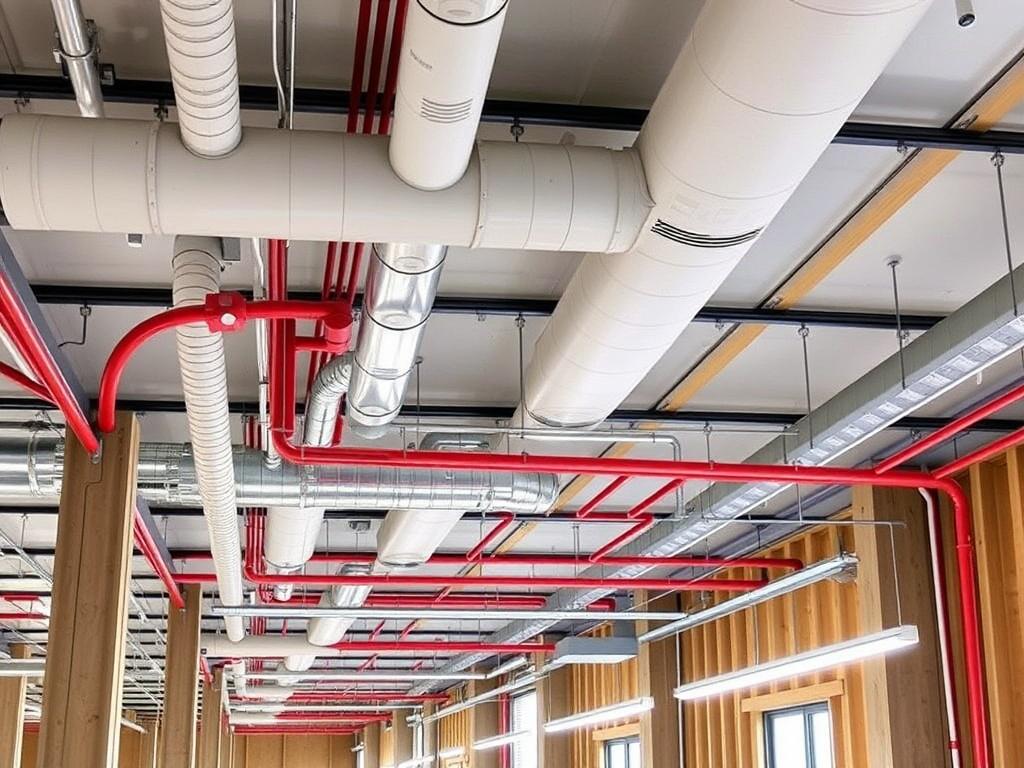
Smoke movement is the primary killer in building fires, and managing it demands thoughtful HVAC integration. Smoke control systems range from simple stair pressurization to complex zoned exhaust and supply sequencing that manage large atria and enclosed retail volumes. Designing these systems without negatively affecting daily HVAC comfort is an engineering balance.
Fire and smoke dampers in ductwork must be specified and installed correctly to prevent spread through mechanical systems. They are a frequent source of inspection failures because access for testing is often limited. Coordination between mechanical, fire protection, and commissioning teams is essential to confirm operability.
Construction-phase risks and temporary protection
Construction sites are inherently risky: hot work, temporary electrical systems, and storage of combustible materials increase the probability of ignition. Projects must implement a clear hot work permit program, designate fire watch personnel, and provide temporary fire protection such as portable extinguishers and temporary sprinklers when permanent systems aren’t online.
On a mid-rise project I managed, a welding spark ignited construction debris in an unguarded shaft. The site had permits and extinguishers, but enforcement was lax. After the incident we tightened controls, assigned a dedicated fire watch, and improved daily cleanup protocols. The lesson: procedures are only as good as their enforcement on the ground.
Commissioning, testing, and verification
Commissioning proves that systems work as designed. For fire protection, this includes flow tests for sprinklers, alarm functional testing, smoke control validation, and verification of fire-resistive assemblies. A rigorous commissioning plan involves the design team, contractor, fire marshal, and owner representatives to ensure acceptance criteria are clear and measurable.
- Review design intent and code requirements with stakeholders.
- Perform factory and field testing of components.
- Execute integrated system tests under simulated emergency scenarios.
- Document results, remediate deficiencies, and retest as necessary.
Commissioning is not a formality; I’ve seen projects pass initial tests only to fail under full-load conditions because supply pressures were marginal. Simulating worst-case scenarios during commissioning avoids surprises during a real emergency.
Maintenance, inspection, and the life cycle
Fire protection systems require ongoing care. NFPA and local regulations outline inspection frequencies for sprinklers, alarms, fire extinguishers, and extinguishing agents. Owners should budget for recurring service rather than treating maintenance as an afterthought once occupancy begins. Deferred maintenance is a risk multiplier.
Record-keeping is central to life-cycle management. Inspection tags, digital logs, test results, and maintenance histories all build a traceable safety lineage for a building. When systems are modified during tenant improvements, those changes must be reflected in the maintenance documentation and verified by re-testing connections and interfaces.
Training, drills, and human factors
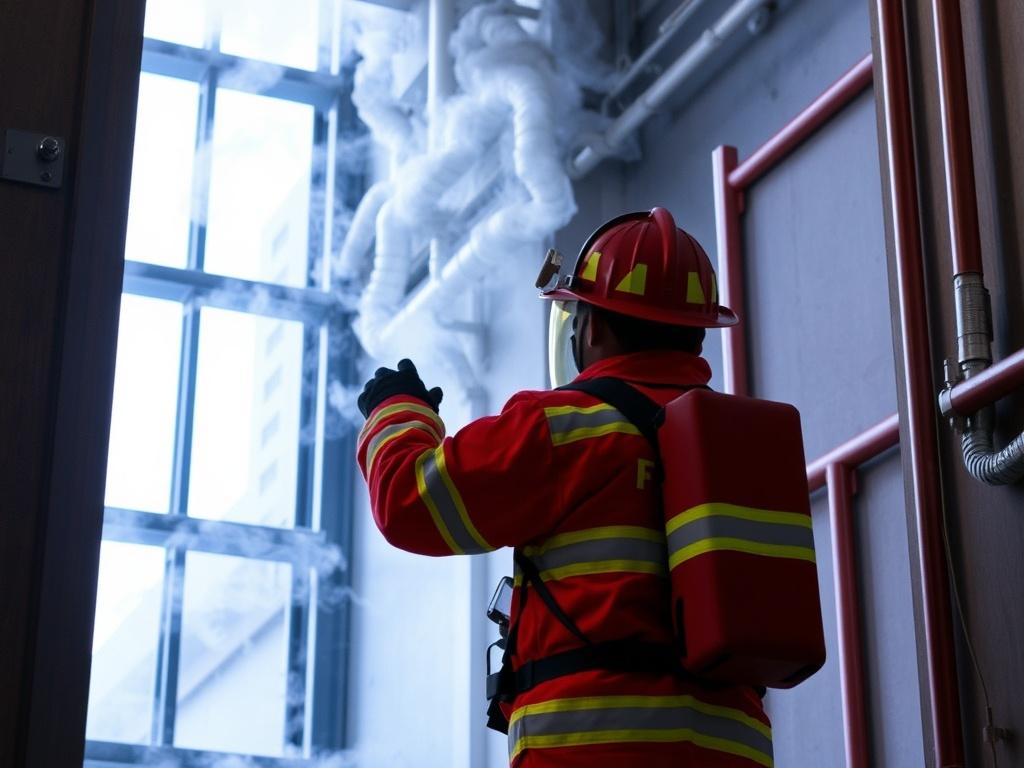
Technology fails without people who understand it. Regular drills, clear floor wardens, and occupant training turn hardware into real protection. For large commercial occupancies, training should include phased evacuations and shelter-in-place procedures so staff know when to move and when to remain inside protected areas.
Human behavior under stress is unpredictable; rehearsals reduce panic and improve egress times. I once participated in a staged evacuation at a mixed-use complex where the rehearsed clear communication cut the expected egress time by nearly half. The investment in rehearsal paid back in confidence and measurable performance.
Integration with building automation and smart systems
Modern buildings increasingly tie fire systems into building automation for coordinated responses—unlocking doors, controlling dampers, managing elevators, and isolating HVAC zones. Integration must respect code-required fail-safe behaviors and preserve cybersecurity boundaries to prevent malicious interference with life-safety functions.
Internet-connected sensors and predictive analytics can flag anomalies—slow pressure drops in sprinkler mains, repeated nuisance alarms in a zone, or detector contamination. Predictive maintenance reduces downtime and can prevent system deterioration from becoming a real hazard.
Emerging technologies and their practical impact
New tools—laser-based beam detectors, video-based fire detection, and machine-learning alarm analysis—offer faster, less intrusive detection in select applications. These technologies are promising but require careful vetting against code acceptance and field performance. Integration into existing infrastructure is often the real test.
For example, video analytics can accurately detect flames or smoke in large open spaces where traditional detectors are ineffective. However, installation and calibration demand a skilled integrator and acceptance testing under varying lighting and environmental conditions. Real-world deployments teach valuable constraints that labs may not reveal.
Using BIM and fire modeling during design
Building Information Modeling (BIM) allows clash detection between fire systems and other building elements before a shovel hits the ground. This reduces field coordination issues and identifies spatial conflicts that would otherwise force on-site changes. BIM also supports asset tagging and as-built documentation for later maintenance.
Computational Fluid Dynamics (CFD) fire modeling helps predict smoke movement and temperature growth in complex spaces like atria or underground garages. Using these models, designers can justify unconventional smoke control schemes or optimize sprinkler layouts for challenging geometries. Models must be validated with conservative assumptions to remain credible to authorities having jurisdiction.
Special occupancies: tailoring approaches
Not all commercial buildings are created equal. Healthcare, data centers, laboratories, and manufacturing facilities each carry unique hazards that demand tailored fire protection strategies. For instance, hospitals emphasize patient evacuation challenges and compartmentation, while laboratories must consider chemical hazards and unique suppression needs.
Data centers often use clean agent suppression and redundant detection layers to minimize downtime and equipment damage. I worked with a client where early-detection aspirating lines and pre-action sprinkler systems were combined to protect a critical server floor. The coordination of suppression and temperature control was meticulous but worthwhile given the client’s uptime requirements.
Environmental and sustainability considerations
Sustainability goals influence material and system choices in fire safety. Water conservation, low-global-warming-potential suppression agents, and energy-efficient detection and annunciation systems factor into design decisions. Any substitutions must maintain or exceed life-safety performance while meeting environmental objectives.
Green roofs, photovoltaic arrays, and exposed timber structures introduce new fire behavior profiles that designers must account for. For example, photovoltaic panels can complicate rooftop firefighting and require additional setback or suppression strategies. Early engagement with sustainability and fire teams avoids retrofits that compromise either goal.
Cost, value engineering, and risk tolerance
Budget pressures prompt value engineering, but cutting fire protection is dangerous. Instead, value engineering should seek alternative methods that maintain safety at lower cost—optimizing system zoning, using multifunctional components, or deploying more intelligent detection that reduces unnecessary infrastructure. Transparent risk assessment guides these choices.
Risk tolerance is an owner’s decision framed by consequence analysis. A retailer might accept higher damage risk than a hospital, but life-safety measures such as egress and detection generally remain non-negotiable. Documenting trade-offs and getting fire marshal concurrence prevents surprises during plan review.
Procurement and vendor selection
Select contractors and manufacturers with proven experience in commercial fire protection, and prioritize those with local approvals and factory-trained technicians. Track records with similar projects and references from code officials carry real weight. Warranty terms and service-level agreements should be explicit in contracts.
During procurement, require submittals that include shop drawings, product data, and installation mock-ups where appropriate. For complex systems, require on-site factory representatives for critical tests to ensure manufacturer-installed components perform as intended under field conditions.
Documentation and as-built records
Accurate as-built drawings, device schedules, hydraulic calculations, and test certificates are not bureaucratic niceties—they are the roadmap for future maintenance and emergency response. Fire departments rely on these documents during emergencies, and insurance carriers use them for underwriting and claims verification.
Digital record systems with photos and tagged assets simplify future repairs and inspections. When owners change, good documentation transfers institutional knowledge to the new team, preserving the investment in safety and ensuring continuity of care for building systems.
Common field issues and how to avoid them
Frequent problems include obstructed sprinkler coverage, improper detector placement, incomplete firestopping, and undocumented system modifications during tenant improvements. Most are avoidable with thorough submittal reviews, progressive inspections, and a culture of accountability on site. Preventive oversight beats costly corrective actions later.
One recurring issue I’ve observed is temporary partitioning during tenant fit-outs blocking sprinkler spray patterns and alarm audibility. Project teams must flag temporary conditions and provide interim protection or approve mitigations to maintain safety at all times during construction and tenant work.
Working with authorities having jurisdiction (AHJs)
Early engagement with the local fire marshal smooths approval pathways. AHJs bring practical experience and can point out jurisdiction-specific requirements not obvious from national standards. Treat the AHJ as a partner—document meetings, ask for written interpretations of ambiguous code sections, and incorporate feedback into revisions promptly.
Successful projects often include staged inspections and mock-ups to demonstrate unconventional solutions. These demonstrations build confidence and reduce the likelihood of costly rework during final inspections. Clear evidence and transparent dialogue are persuasive with officials who must balance safety and enforceability.
Preparedness beyond the building: business continuity and recovery
Fire safety extends into how an organization prepares for recovery. Business continuity planning includes protected records, off-site backups, and rapid restoration procedures for critical systems. Fire protection designers can support continuity goals by specifying resilient systems and redundant power for alarms and smoke control.
After a fire event, a coordinated recovery plan—covering insurance, repairs, and communication with tenants and stakeholders—reduces downtime. In commercial settings, speed matters not just for safety but for revenue, reputation, and contractual obligations to tenants or clients.
Practical checklist for owners and project teams
Owners and teams benefit from a simple checklist during design and construction to keep fire protection on track. Items should include early fire protection engagement, documented riser and hydraulic requirements, verified detector locations, scheduled commissioning, and an operations manual with inspection intervals. Accountability at each milestone keeps projects aligned with life-safety goals.
- Engage a fire protection engineer at schematic design.
- Define occupancy hazards and special suppression needs.
- Coordinate penetrations and firestopping in construction drawings.
- Plan and budget for commissioning and ongoing maintenance.
- Train occupants and conduct regular drills.
Final thoughts: designing for resilience
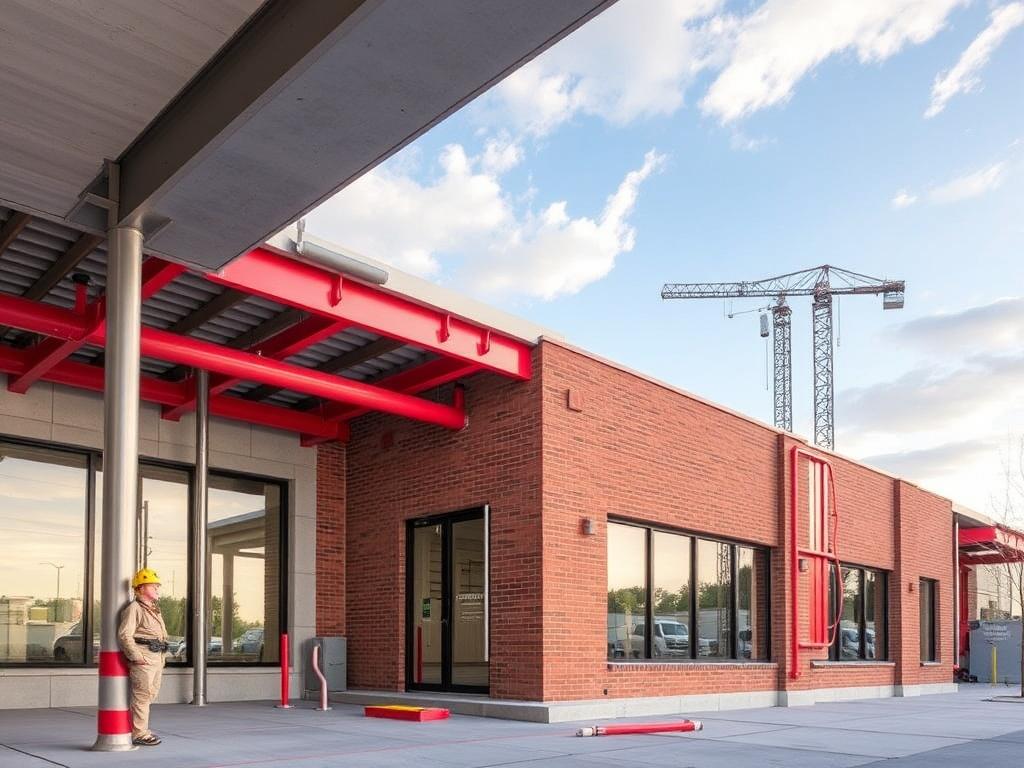
Fire safety in commercial construction is both technical and human. The best buildings combine robust hardware with clear procedures and practiced people, creating resilience that survives incidents and restores normalcy quickly afterward. Investing in integrated, well-coordinated fire protection yields dividends in safety, insurance, and occupant confidence.
Practical experience shows that the projects most likely to succeed are those where fire protection is treated as a design driver rather than a checkbox. When architects, engineers, contractors, and owners collaborate from day one, the result is a building that stands up to scrutiny—and to the unexpected.