
Interior finishing is where a project stops being a blueprint and starts to feel like home. The choices you make—how smooth that drywall is, which trim complements the flooring, what pattern the tile follows—determine the look, the comfort, and how long everything will last. This article walks through the process step by step, offering practical advice, common pitfalls, and real-world examples so you can move from raw framing to a room that invites people in.
Why planning matters before you touch drywall
A room finished poorly can make skillful construction look amateurish, and conversely, thoughtful finishing can elevate modest framing. Before installing drywall or choosing a floor, clarify the function of the space, desired durability, and the aesthetic vocabulary you want to follow. Small decisions early—door swing, outlet placement, and whether walls will carry built-ins—affect later trades and the final look.
Make a simple checklist: layout, lighting, HVAC registers, and finish heights for trim and appliances. Coordinate with the electrician and plumber; drywallers and flooring installers will thank you when their work doesn’t conflict with hidden systems. This upfront effort reduces callbacks and patchwork later.
Budgeting here is also strategic. Decide which surfaces will be premium and which can be value-driven so you don’t cut corners where it shows most: wet areas, high-traffic floors, and focal walls. A clear priority list keeps decisions consistent and timelines predictable.
Drywall basics: materials and tools
Drywall—also called gypsum board or sheetrock—comes in various thicknesses, densities, and moisture-resistant formulations. Standard 1/2-inch gypsum is common for walls, while ceilings often use 5/8-inch for sag resistance; green board or cement board belongs in damp spaces. Choose the right type early to avoid costly rework.
Essential tools include a utility knife, T-square, drywall screws, screw gun, taping knives, hawk, mud pans, and sanding tools. A good drywall lift or helper is a huge time-saver on ceilings and large sheets. Quality tools don’t guarantee a flawless finish, but they make it far easier to achieve one.
Sheet orientation, joint staggering, and correct screw pattern are simple quality markers. Stagger joints so seams don’t line up between adjacent sheets and set screws slightly below the paper surface without tearing it. These small practices reduce the number of coats and sanding time later.
Step-by-step drywall installation
Begin by attaching sheets horizontally on walls where possible to minimize seams and create cleaner transitions at corners. For ceilings, lift and screw the sheets in place working from the room center outward. Keep consistent screw spacing—usually 12 inches on ceilings and 16 inches on walls—and use the appropriate screw length for the substrate.
Cut openings accurately for electrical boxes and plumbing; tidy cuts reduce patching and make taping faster. When a piece needs to be ripped down, score and snap rather than cutting freehand—clean edges tape and mud better. Labeling troublesome corners and cuts helps installers avoid repeat mistakes.
After installation, inspect for low spots and loose screws, then apply joint tape and compound starting with seams and corners. The first coat should fill voids and bed the tape; subsequent coats feather the compound wider for a smooth transition. Allow proper drying time—rushing this stage is the most common reason for visible imperfections.
Taping, mudding, and finishing techniques
Taping and mudding transform sheet seams into invisible planes when done with patience. Use paper or fiberglass mesh tape depending on substrate and movement expectations, and avoid over-sanding which can damage the paper face. Each successive coat should extend farther from the joint to feather effectively into the field of the board.
For inside corners, an inside corner tool speeds the job and produces a consistent bead. Outside corners benefit from corner beads—metal or durable plastic—that protect the corner and simplify finishing. Apply compound in even, thin layers and let each coat fully dry before adding the next to prevent cracking.
Texturing is a stylistic and practical decision; smooth walls need more careful sanding and priming, while textured finishes hide minor flaws. Match textures to the period and style of the home—sleek modern interiors typically favor smooth finishes, while casual spaces often use subtle textures to add depth.
Sanding and common troubleshooting
Sanding is where a finish either becomes invisible or shows the work that went into it. Begin with a light grit and keep movement continuous to avoid gouges and flat spots. Consider using a sanding block or pole sander with dust collection—drywall dust is pervasive and hard on lungs and HVAC systems.
Spot defects like ridges, nail pops, or tape telegraphing are usually signs of insufficient mud or incorrect screw setting. Correct these by applying a thin skim coat and sanding again; often, a small second pass resolves most issues. If cracks recur, investigate causes like framing movement or improper joint treatment rather than simply re-mudding repeatedly.
When in doubt, prime a small test wall and inspect it from different angles under the intended lighting. Light reveals imperfections that shadow will hide, and testing early prevents expensive rework after paint or wallpaper is applied.
Priming and paint choices that last
Primer seals the drywall compound and creates a uniform surface for paint adhesion. Use a quality primer suited to your topcoat—latex primers work well under latex paints, while oil-based primers remain useful for certain stains and knots. Skipping primer can lead to uneven sheen and premature failure of the paint finish.
Paint finish selection should reflect traffic and maintenance needs. Flat paints hide imperfections, eggshell and satin clean well while still masking flaws, and semi-gloss adds durable shine for trim and wet areas. Consider the room use when picking sheen: kitchens and bathrooms benefit from higher-sheen options for washability.
Color affects perceived space and mood. Lighter hues expand small rooms, while darker tones add intimacy. Test large swatches on the wall and view them at different times of day; paint changes dramatically under varying light sources and alongside your chosen flooring.
Trim, millwork, and the fine details

Trim transforms intersections of wall and floor into intentional architectural elements. Baseboards, casings, and crown molding provide visual finish and protect vulnerable edges. Choose profiles that match the architectural character of the home—simple modern profiles for contemporary spaces, and layered, more ornate profiles for traditional interiors.
Installation matters as much as profile choice. Miter corners must be tight and coped joints fit precisely to appear seamless. Real wood trim can be sanded and finished on site for a custom look, while painted MDF offers a stable, cost-effective alternative in many projects.
Hardware and millwork finishes should coordinate with light fixtures and plumbing hardware to create design coherence. Don’t let mismatched metals dilute an otherwise thoughtful finish—pick a family of finishes early and carry them through doors, cabinetry, and fixtures.
Doors and windows: finishing details that matter
Door and window trim completes openings and helps define the rhythm of a room. Proper shimming, sealing, and insulation around frames prevent drafts and reduce noise transmission. Trim placement should consider reveal widths and sightlines; consistent reveal widths create a refined, intentional look.
Flush vs. rabbeted jambs and different sill materials influence both function and appearance. Consider adding weatherstripping or thresholds where applicable to improve thermal and acoustic performance. Paint or stain choices for doors can act as subtle focal points or background elements depending on your design intent.
For windows, sill and apron details finish the lower edge and provide a handy shelf. If you have a historic window or a custom modern frame, coordinate trim to enhance the window’s proportions rather than fighting them with ill-fitting stock pieces.
Choosing the right floor: an overview
Flooring choice affects acoustics, comfort, durability, and the room’s entire personality. Hard surfaces read as durable and modern; soft surfaces add warmth and sound absorption. Make choices based on use patterns—kitchen and entry floors need wear resistance, while bedrooms can prioritize softness and insulation.
Subfloor condition and preparation dictate the success of any flooring installation. Unevenness, moisture, and structural movement must be addressed before installation. For many materials, a good underlayment improves performance and comfort while helping with sound control.
Budgeting for flooring should include installation, underlayment, transitions, and finish hardware. The purchase price of materials is only part of the total cost; labor and accessories can equal or exceed material expenses on complex installs like tile or hardwood.
Comparing popular flooring types
Below is a concise comparison of common flooring choices to help align function with aesthetics.
| Type | Pros | Cons | Best for |
|---|---|---|---|
| Solid hardwood | Longevity, refinishable, natural beauty | Sensitive to moisture, higher cost | Living rooms, bedrooms, dining rooms |
| Engineered hardwood | Stable in fluctuating humidity, looks like solid wood | Limited refinish cycles | Basements, kitchens, higher-moisture areas |
| Laminate | Affordable, scratch-resistant, easy install | Susceptible to water damage, less authentic look | High-traffic living spaces |
| Tile (ceramic/porcelain) | Durable, waterproof, great for wet zones | Cold underfoot, requires grout maintenance | Kitchens, bathrooms, mudrooms |
| Luxury vinyl (LVT) | Waterproof, comfortable, wide design range | Perceived value lower than real wood or stone | Kitchens, basements, rentals |
| Carpet | Comfort, sound absorption, warmth | Stains, shorter lifespan in high-traffic areas | Bedrooms, family rooms |
Hardwood and engineered wood: installation considerations
Solid hardwood is nailed or stapled to a wood subfloor, while engineered planks can float, nail, or glue depending on the product. For both, acclimation—allowing planks to sit in the space for several days—is critical to prevent gapping and cupping after installation. Follow manufacturer recommendations precisely for acclimation times and installation methods.
Color and plank width choices influence perceived space; wider planks can make rooms feel larger but emphasize floor grain and natural variations. Finish options—oil-based poly, water-based urethane, or oil finishes—affect sheen, longevity, and maintenance. If you plan to refinish in the future, choose solid wood in rooms where multiple sanding cycles are anticipated.
When installing over radiant heat, engineered wood is generally a better choice due to its dimensional stability. Avoid direct nailing over radiant systems unless the product explicitly allows it and pay attention to maximum subfloor temperatures specified by the manufacturer.
Tile and stone: substrate and layout matters
Ceramic and porcelain tiles demand a flat, rigid substrate—uncoupling membranes, cement backer boards, or fluid-applied leveling products create reliable assemblies. Tile layout and pattern decisions should be made before setting tile to minimize awkward cuts and ensure focal points align with room geometry. Good layout reduces waste and creates a balanced visual field.
Grout color and grout joint width affect maintenance and appearance; wider joints show more grout and need more cleaning, while narrow joints create a seamless look. For natural stone, sealing is often necessary both before and after grouting to protect against staining. In showers, waterproofing and correct slope to drains are non-negotiable for a durable installation.
Heating elements under tile provide tremendous comfort in bathrooms and kitchens, but they require coordination between flooring and electrical contractors. Verify electrical load limits and insulation ratings for the heating mat or cable to ensure safety and long-term performance.
Vinyl, laminate, and carpet: speed and performance
Laminate and vinyl plank systems can be the fastest way to cover big areas with good appearance and reasonable durability. Many modern luxury vinyl tile (LVT) products mimic wood and stone convincingly while providing waterproof performance. Ensure the subfloor is clean, flat, and dry; these products will follow any irregularities and telegraph them to the surface.
Carpet selection includes pile density, fiber type, and backing—each contributing to comfort and wear characteristics. Padding matters as much as carpet; a better pad extends carpet life and improves foot comfort. For stairs, carpet needs secure attachment and durable edges to resist heavy wear.
Floating floors—boards that click together and rest on an underlayment—simplify installation but require well-prepared subfloors and careful attention to expansion gaps. These gaps should be concealed with trim or transition strips and must follow manufacturer-recommended widths for seasonal movement.
Subfloor prep and underlayment essentials
Flooring succeeds or fails at the subfloor level. Unevenness greater than a few millimeters over short spans can cause squeaks, tile lippage, or premature wear. Use a straightedge to find high and low spots and address them with sanding, shims, or leveling compounds as appropriate for the floor type.
Underlayment choice is driven by the finished material and performance needs: sound reduction, moisture barrier, thermal insulation, or cushioning. Cork, foam, cement backer board, and plywood underlays each have specific uses and installation practices. Follow manufacturer guidance to preserve warranty coverage.
Moisture testing—using a moisture meter or calcium chloride test—should precede installations sensitive to moisture like hardwood and laminate. If moisture levels exceed acceptable thresholds, stop and remedy the condition rather than installing and risking catastrophic failure later.
Transitions, thresholds, and edge details
Transitions connect different floor surfaces and should be chosen for durability and visual continuity. T-molding, reducer strips, and thresholds bridge height differences while protecting edges from chipping. Choose transition profiles that match or complement the flooring to maintain a cohesive look throughout the home.
Pay special attention to doorways and openings where humidity and temperature changes can cause expansion and contraction. Leave proper expansion gaps for floating floors; conceal them with shoe molding or transition strips rather than squeezing planks tight to trim. Good transitions reduce stress on floors and hide necessary movement allowances.
Stair noses and riser finishes require matched materials and secure fastening. A poorly finished stair edge is a safety hazard and will show wear quickly, so invest in quality stair nosing and professional installation for high-traffic staircases.
Moisture, vapor, and thermal control
Water is one of the most destructive forces for interior finishes. Plan moisture control from the exterior envelope inward by addressing drainage, vapor barriers, and appropriate substrate choices. In basements and ground floors, consider a comprehensive moisture plan that includes sub-slab vapor barriers and well-sealed perimeter drainage.
Vapor retarders and waterproofing differ—select them according to the assembly’s exposure and the floor product’s tolerance. In shower and wet areas, continuous waterproofing systems are essential, not optional. Your decisions here determine whether finishes remain intact or require early replacement.
Thermal comfort affects flooring choice as well. Cold tile in a bathroom benefits from underfloor heating; hardwood over a poorly insulated slab may feel uncomfortably cold in winter. Evaluate the assembled layers to balance comfort and efficiency across the year.
Sound control and acoustic strategies
Hard floors can amplify footsteps and echo; good underlayment and targeted sound-absorbing elements help keep spaces serene. Acoustic underlays and mass-loaded vinyl barriers make a measurable difference in sound transmission between levels and rooms. In multifamily buildings, meeting local sound-rating requirements is often mandatory and should guide material selection.
Soft surfaces and textiles—rugs, drapes, upholstered furniture—add absorption and can be used strategically to soften room acoustics. Consider room function when designing acoustics; a home theater or music room will need different treatments than a kitchen. Combining architectural details with surface choices achieves balanced acoustic environments.
For staircases and long hallways, runners and specialized padding reduce impact noise significantly and protect the underlying floor. These practical additions also contribute to safety by adding traction and reducing wear along busy circulation paths.
Lighting, switches, and final electrical coordination
Finish carpentry and lighting influence each other. Placement of recessed lights, sconces, and switches should be finalized before painting and trim installation to ensure precise cutouts and clean edges. Coordinate with electricians on dimmer placement and load requirements during finish selection to avoid last-minute modifications.
Lighting temperature and finish reflectivity affect color perception of paint and flooring, so sample finishes under the final lighting plan whenever possible. Task lighting in kitchens and baths is essential for function and often dictates under-cabinet wiring runs that must be planned early. Thoughtful placement improves both usability and aesthetics.
For features like in-floor heating or recessed outlets for countertops, integrate decisions into the overall finishing schedule rather than retrofitting them later. These details look seamless only when trades work in a coordinated sequence.
Hardware, fixtures, and the human scale
Hardware—door knobs, cabinet pulls, and switch plates—adds tactile quality to finishes and completes a design. Ergonomics matter: handles should be comfortable, and switches reachable, especially for people of different heights or mobility limitations. Small, consistent hardware choices communicate intentionality across the house.
For built-ins and cabinetry, edge profiles and reveal dimensions set a tone of craftsmanship. I once installed kitchen toe-kick lighting after cabinet boxes were set; the small glow made the entire kitchen feel intentional and polished. These little touches are what people notice in daily life more than grand gestures.
Keep spare hardware and finish samples in a labeled box for future repairs and touch-ups, since matching nuances years later can be surprisingly difficult. Stash product data sheets and finish codes to simplify replacements down the road.
Maintenance, repairs, and long-term care
Every flooring and finish has maintenance needs: hardwood recoating, tile grout sealing, vinyl cleaning, or carpet steam cleaning. Provide homeowners or occupants with an easy-to-follow maintenance sheet when a project finishes; this reduces wear and keeps surfaces performing as designed. Simple care often triples the lifespan of a finish.
Know what cleaning products to avoid—ammonia or bleach can dull some finishes, and overly abrasive cleaners can damage sealers and grout. For hardwood floors, microfiber mops and manufacturer-recommended cleaners preserve the finish without abrading or leaving residues. Regular inspections for small problems like loose trim or popped nails prevent small issues from becoming costly failures.
Keep an eye on humidity and temperature trends within the home to prevent flooring movement. A quality thermostat and humidifier/dehumidifier strategy preserve wood floors and minimize seasonal gaps or cupping. Routine attention pays dividends over decades.
Budgeting, scheduling, and realistic timelines
Interior finishing is a sequence of dependent tasks; delays in one trade ripple through the schedule. Build realistic lead times for specialty materials, especially custom millwork, special-order tiles, or wide-plank hardwoods. Lock in long-lead items early to avoid pausing the finishing phase while waiting for deliveries.
Allocate contingency funds—typically 10–15%—for unforeseen issues uncovered during finishing, such as hidden moisture or structural corrections. Labor accounts for a large portion of finishing costs, so investing in skilled installers yields savings by reducing callbacks and warranty work. Plan multiple onsite inspections to catch problems early when they are cheaper to fix.
Sequence work to minimize rework: finish walls and ceilings before installing delicate floors where possible, and protect installed floors with appropriate covers during remaining work. Protecting finishes prevents accidental damages that are expensive and morale-sapping to repair.
Common mistakes to avoid
Rushing drywall mud and paint often causes visible seams and texture variances, so allow full drying times between coats. Skipping moisture tests before floor installation or ignoring manufacturer acclimation guidelines for wood floors is another frequent source of expensive callbacks. Addressing these process-oriented errors prevents most finish problems.
Underestimating the coordination between trades—drywallers, electricians, plumbers, floor installers, and carpenters—leads to mismatched reveal heights and awkward transitions. Use simple, shared checklists to confirm finish heights and locations for fixtures. Clear communication beats last-minute compromises.
Avoid visual clutter: mixing too many floor types or trim profiles in a small house fragments the design. Establish a consistent palette and repeat elements across rooms to achieve cohesion and a sense of craft. Small, consistent decisions make a big difference.
Sustainability and healthier material choices
Green choices in finishes reduce volatile organic compound exposure and environmental impact. Low-VOC paints, responsibly sourced hardwoods with FSC certification, and reclaimed wood options lower a home’s footprint and often add character. Consider lifecycle costs—durable materials that last longer often end up being the most sustainable choice.
Recycled-content underlayments, low-formaldehyde cabinets, and water-based adhesives contribute to healthier indoor air without sacrificing performance. When possible, source locally to reduce transportation emissions and support nearby craftsmen. Sustainable decisions don’t have to mean a design compromise; they can be a deliberate layer of the interior narrative.
Document material sources and disposal plans for demolition waste; many metropolitan areas have recycling programs for construction materials that keep usable products from landfills. Salvaged trim or repurposed tile can add patina and uniqueness to a modern finish palette.
Real-life example: a small kitchen renovation
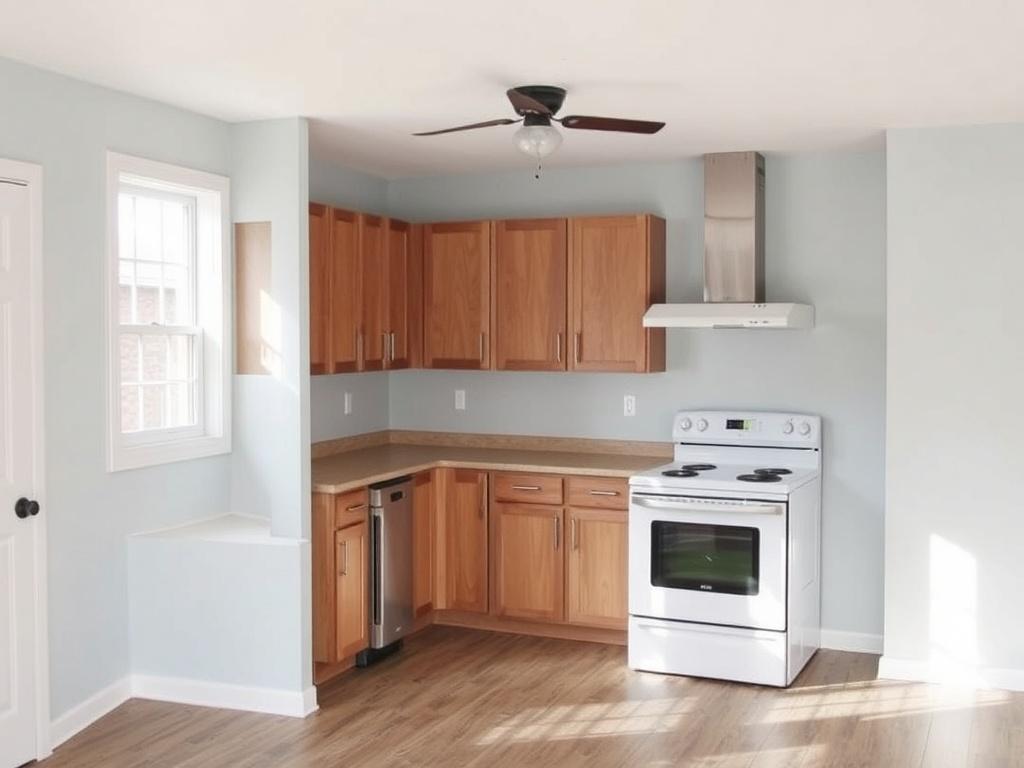
On a recent renovation, we opened a small galley kitchen to better align cabinets and appliances, then re-sheetrocked an uneven wall. Prioritizing a bright, durable countertop and a tile backsplash allowed us to choose a mid-range engineered plank that tolerated occasional spills. By coordinating the electrician to relocate outlets and the cabinetmaker to finalize crown profiles early, we avoided messy cuts and patchwork later on.
We used a high-quality underlayment with sound control under the planks because the kitchen sits above a living room. The small details—consistent door hardware, coordinated metal finishes, and a slightly darker grout—made the space feel deliberate. The job finished on time because of early planning and a clear priority list for upgrades.
That experience reinforced a simple truth: good sequencing and clear decision points are what make finishing feel finished. Materials matter, but timing and coordination turn material choices into durable, beautiful outcomes.
Putting it all together: a finishing checklist
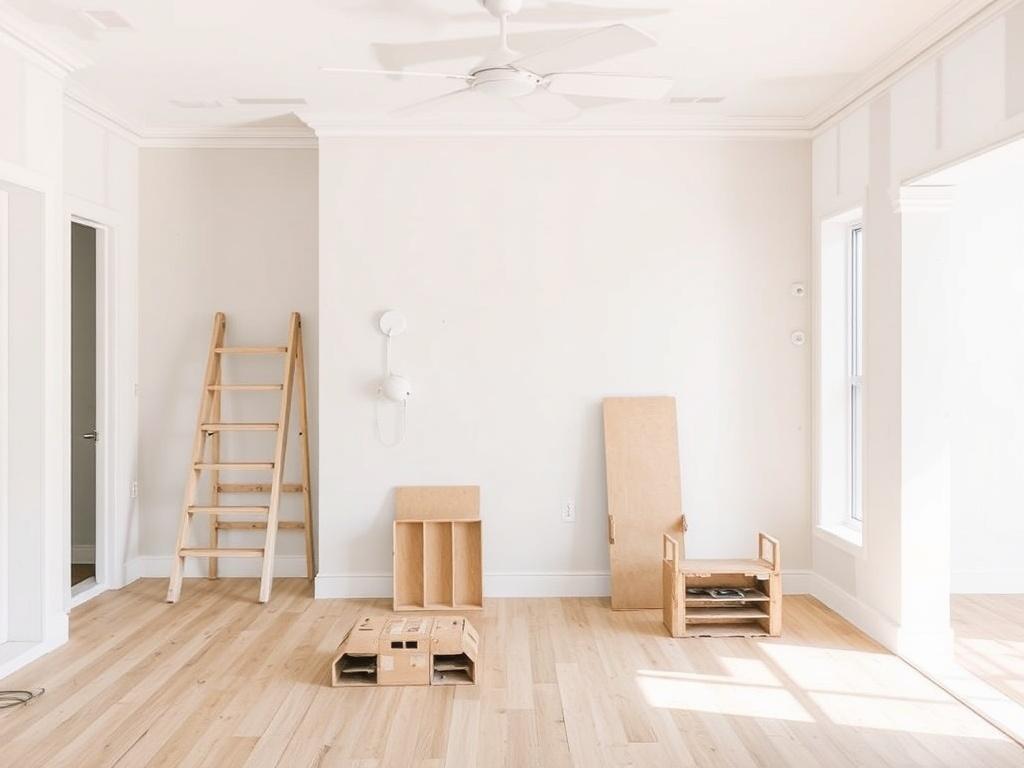
Use this checklist to guide final stages and confirm nothing is overlooked before turnover or move-in:
- Confirm drywall finish level and prime test patches under final lighting.
- Complete all electrical and plumbing rough-ins and test systems.
- Verify subfloor flatness and moisture prior to flooring delivery.
- Install flooring and transitions, allowing for manufacturer-specified gaps.
- Hang doors, install trim, and coordinate hardware finishes.
- Apply final paint coats, then install permanent lighting and switch plates.
- Conduct a walk-through to identify touch-ups and compile a punch list.
Working through a checklist at each milestone reduces the chance of surprise repairs and ensures the final result is both polished and functional. It also creates a clear handoff document for homeowners or maintenance teams.
Interior finishing is less about singular dramatic moves and more about hundreds of modest, well-executed decisions that add up to a coherent whole. From the first drywall screw to the last grout wipe, attention to sequencing, materials, and coordination determines whether a room looks assembled or designed. Thoughtful choices and careful trade coordination will turn construction into a crafted interior that endures.
Additional resources and next steps
Should you tackle a DIY portion of your finish work, start small—patch a wall or install trim in a single room before committing to larger responsibilities. For larger projects, hire installers with references and verify warranties for finishes and materials. A few hours of research and a good contract save far more time and money than they cost.
Keep an archive of product information, maintenance recommendations, and any warranties handed over at completion. These documents are invaluable for future repairs, resale, or simply keeping the house in the condition you intended when you finished the last plank or smoothed the final coat of mud. With the right plan and a calm sequence of work, you’ll move from drywall to floor with confidence and a sense of craft.