Successful outdoor projects feel inevitable, like the plants and structures always belonged together. Achieving that requires more than good design or solid construction alone; it takes a coordinated approach that blends landscape thinking with exterior construction realities. This article explores how to align aesthetics, engineering, and maintenance so outdoor spaces perform beautifully for years.
Why integration matters for lasting outdoor projects
When landscape designers and construction teams operate in silos, details get lost in translation. Drainage that looks good on a plan can fail in the field because grading was done without landscape input, and plantings suffer or wash away.
A unified approach reduces costly change orders and shortens schedules by resolving conflicts early. It also preserves design intent — the atmosphere the designer envisioned survives the inevitable pressures of budget and buildability.
Beyond cost and fidelity, integrated projects tend to be more resilient. Coordinating soil amendments, stormwater infrastructure, and plant selection up front creates landscapes that handle extreme weather rather than breaking under it.
Starting right: aligning goals before ground breaks
Begin every project with a clear conversation about priorities: aesthetics, program, budget, and maintenance. Invite landscape architects, civil engineers, contractors, and the client to the same table so expectations align from the outset.
Establish measurable outcomes early, such as desired plant maturity, performance benchmarks for drainage, or acceptable maintenance frequency. These metrics help guide trade-offs later and make evaluation objective rather than subjective.
Use a shared documentation system — even a simple cloud folder with a living set of drawings — so all stakeholders are working from the same latest version. Small mismatches in details like invert elevations or material finishes can cascade into big problems if not centralized.
Site analysis: the foundation of coordination
A thorough site analysis is the single best investment you can make before design freezes. Soil tests, topographic surveys, drainage patterns, utilities, tree inventories, and microclimate mapping reveal constraints and opportunities.
Soil boring data, for example, informs both planting plans and structural decisions such as wall footings or paving subgrades. Ignoring subsurface conditions is a common cause of failure in hardscape and planting beds alike.
Documenting stormwater flow paths and seasonal saturation zones prevents surprises during construction and helps determine where permeable surfaces, swales, or detention systems should be placed.
Client brief and programmatic clarity
A client brief should go beyond likes and dislikes to define function and maintenance capacity. Will the homeowners water weekly or hire a landscape maintenance contract? Is the space primarily for large events, daily play, or quiet contemplation?
Clear program decisions affect material selection, irrigation strategy, and structural expectations. A lawn for children requires different compaction standards and root-zone material than a decorative meadow intended for low maintenance.
Documenting program decisions in the contract reduces the risk of late scope changes that force compromises between landscape quality and construction feasibility.
Budgeting and phasing with integration in mind
Integrative planning embraces realistic budgets and pragmatic phasing that protect long-term goals. Instead of cutting planting quality to meet a hardscape budget, consider staging plant installation when funds allow, while building proper soil structure now.
Phasing can also mitigate scheduling conflicts between trades. For example, installing major drainage and irrigation infrastructure in phase one avoids trenching setbacks once tree plantings are in place. That kind of sequencing saves money and preserves the integrity of both landscape and structures.
Provide clients with lifecycle cost comparisons: an inexpensive paver may cost less up front but require more maintenance and earlier replacement. When clients see long-term numbers, they often support smarter initial investments.
Coordinating technical systems on site
Technical coordination is where plans become built reality. Key systems — grading, drainage, utilities, irrigation, and lighting — must be designed in concert to prevent conflicts and performance issues.
Simple errors like locating a low-voltage lighting transformer where a rain garden should sit can cause expensive relocations. Cross-disciplinary review of technical drawings prevents that kind of friction.
Consider color-coding trades on construction drawings and calling regular coordination meetings during critical stages of the work so everyone knows who is doing what and when.
Grading and drainage: sculpting the land responsibly
Grading should prioritize positive drainage while meeting design slopes for accessibility and aesthetics. Small differences in slope angle or finish grade can change where water ponds and how plants establish.
Grade control markers and compacted subgrade specifications are essential to preserve design intent for paving levels and planting soil depths. Without them, contractors may compact too much or too little and upset finished elevations.
Integrated grading solutions often include bioswales, permeable paving, or underground detention. Designing these elements with both landscape and civil engineers involved ensures functionality and visual success.
Site utilities and underground conflicts
Underground utility conflicts are a perennial headache in exterior construction. Early coordination with utility companies and a thorough location sweep reduces the chance of costly relocations during construction.
Plan for future access, too. Locate irrigation manifolds, electrical junctions, and valve boxes in logical, accessible places that won’t threaten root zones or be hidden under permanent features. Accessibility reduces long-term maintenance headaches.
Where intense root spaces and utilities must coexist, specify protective root barriers or engineered soil cells to avoid future repairs to irrigation or lighting lines.
Retaining walls and structural landscape elements
Retaining walls can be design focal points and engineering necessities. Early collaboration between landscape designers and structural engineers optimizes aesthetics and safety without overbuilding.
Consider adopting modular block systems that allow incremental adjustments to drainage and planting. These systems offer flexibility during construction if unforeseen site conditions appear.
Design details such as coping, weep holes, and backfill specification are small technical items that significantly impact long-term performance and the relationship between wall and planting beds.
Material selection and constructability
Choosing materials is a balance of durability, appearance, cost, and environmental impact. Start with specifications that are achievable by local contractors to avoid sourcing bottlenecks and schedule delays.
Consider regional availability and contractor familiarity when selecting specialty materials. A beautiful imported stone can derail a project if local crews lack experience setting it properly.
Durability considerations also shape plant choices; for instance, in high-traffic areas prioritize robust groundcovers and structural paving that can withstand compaction and maintenance equipment.
Paving systems and subbase design
Paving performs only as well as its subgrade and subbase. Permeable pavements need carefully designed layers to handle infiltration and frost, while conventional pavements demand proper compaction to prevent settlement.
Specify test methods and acceptance criteria for compaction and base materials to avoid field interpretation issues. Payment milestones tied to successful testing encourage compliance with standards.
Combining permeable paving with adjacent planted areas requires detail coordination to avoid unintended sediment migration into the pavement structure over time.
Hardscape finishes and tolerances
Hardscape finishes and joint treatments should be specified with realistic tolerances that contractors can meet. Tight tolerance requirements increase labor time and cost without always delivering perceptible benefits.
Provide mock-up expectations for unique finishes so the client and contractor share a visual target. A small mock-up can prevent months of dissatisfaction after installation.
Include maintenance-friendly details, such as accessible joints for paver replacement and slightly wider gaps where root growth might later require repair.
| Material | Durability | Maintenance |
|---|---|---|
| Concrete pavers | High | Moderate (joint sand replacement) |
| Permeable gravel | Variable | High (decompaction, replenishment) |
| Natural stone | High | Low to moderate (sealing, resetting) |
| Wood decking | Moderate | High (staining, replacement) |
Plant selection and soil strategies
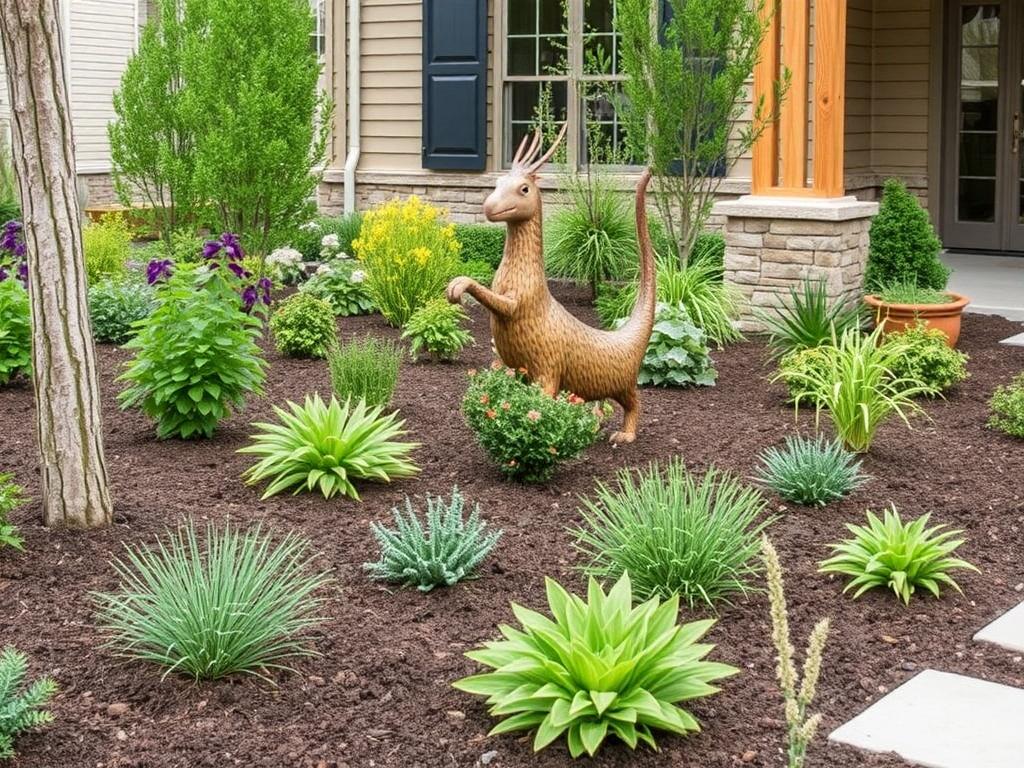
Plant choices should respond to microclimate, soil conditions, and intended use, not just aesthetics. Group plants by water needs and maintenance expectations to reduce irrigation complexity and labor.
Healthy established plants depend on adequate soil volume and structure. Treat planting areas as engineered systems with proper root-zone depth, organic matter, and drainage rather than afterthoughts.
Root-space conflicts with paving or utilities are common; designing with soil cells or structural soils allows trees to thrive without lifting pavements or damaging pipes.
Native and adaptive planting for long-term success
Using native and regionally adapted species lowers water demand and increases resilience to pests and extreme weather. That approach can also simplify maintenance and reduce chemical inputs.
However, “native” is not a one-size-fits-all solution; soil type, exposure, and human use must guide selection. Choose plants that fit the specific conditions of each planting area rather than applying a blanket palette.
When introducing new species, allow for a learning period. I once recommended a drought-tolerant shrub that later proved less tolerant of compacted soils; we corrected it by improving the root zone and adjusting irrigation schedules.
Soil amendment and compost strategies
Specifications should state target organic matter, infiltration rates, and acceptable contaminants for planting soils. Too often contractors use leftover fill with insufficient structure and drainage capacity.
A strategic soil amendment plan improves establishment and reduces replanting risk. Incorporating compost, gypsum, or engineered soil mixes where appropriate pays off in lower maintenance and better plant health.
For large trees, providing uncompacted soil volumes and specifying proper planting techniques can be the difference between a tree that thrives and one that declines within five years.
Irrigation and lighting: systems that cooperate
Irrigation and lighting are invisible until they fail or create visible damage. Integrate their design with planting and paving details to avoid trenching through finished beds or damaging roots later.
Use hydrozones to separate plants with different water needs and prefer sensor-driven controllers that adapt to weather to conserve water. Likewise, plan lighting circuits with maintenance access and future expansion in mind.
Labeling controller programs and junction boxes as-built simplifies future work and reduces the chance of accidental shutdowns or miswiring during later projects.
Smart irrigation: sensors and zone control
Smart controllers with weather-based adjustments can cut water use substantially when programmed and maintained properly. They require sensors, clear zoning, and periodic review to remain effective.
Design irrigation zones with practicality in mind: group by exposure, plant type, and soil, not by arbitrary landscape rooms. Overly complex zoning increases installation cost and later troubleshooting difficulty.
Include valve box access in paved areas and avoid placing critical manifolds under immovable structures. Accessibility supports quick repairs and reduces the chances of disruptive reconstruction.
Lighting integrated with landscape character
Lighting should reveal landscape form and enhance safety without overpowering the plant palette. Work with landscape designers to locate fixtures that compliment tree trunks, paths, and architectural features.
Low-voltage LED systems are efficient but require proper wiring practices, surge protection, and grounding to avoid premature failure. Plan conduit runs so wires can be replaced without invasive excavation.
Consider simple control strategies like dimming schedules or motion sensors in low-use areas to balance ambiance and energy use.
Project delivery methods that encourage teamwork
The chosen project delivery method heavily influences how well teams coordinate. Design-bid-build often creates adversarial dynamics, while design-build and integrated project delivery (IPD) promote collaboration.
Design-build can accelerate timelines and keep single-point accountability, but it requires clarity in scope to avoid value engineering that undercuts landscape quality. IPD ties incentives across stakeholders toward shared project goals.
Regardless of delivery method, clearly defined roles, documented communication protocols, and scheduled coordination checkpoints are practical ways to promote integration on every job.
Construction documentation and shop drawings
Shop drawings and details translate design into buildable sequences. Require contractors to submit these drawings early with specific callouts for root protection, irrigation routing, and drainage connections.
Review shop drawings promptly and collaboratively, focusing on constructability and long-term performance rather than just aesthetics. Quick, informed responses prevent site delays and maintain momentum.
Keep a record of approvals and field decisions in a central system so as-built conditions and deviations are documented for future maintenance teams and warranty claims.
Using BIM and digital tools for exterior coordination
BIM is more common in buildings than in landscapes, but it offers real benefits for complex exterior projects. Model trenches, utilities, and major structures to detect clashes before excavation.
Even simple 3D models help clients visualize grading, tree impact, and material transitions, reducing late changes driven by misunderstanding. Use models to coordinate elevations between hardscape finishes and interior thresholds.
When full BIM is not practical, a shared 3D file or coordinated set of section drawings can still significantly improve cross-discipline understanding.
Permitting, inspections, and compliance
Permitting is a logistical reality that influences sequencing and costs; start the process early and plan for inspection timelines. Different jurisdictions have unique stormwater, tree protection, and facade restrictions to navigate.
Prepare a permitting checklist that includes required studies, submission reviews, and anticipated timeframes. Factor those into the schedule to avoid last-minute redesigns driven by regulatory feedback.
During construction, maintain records of inspections and approvals to support final sign-offs and reduce the risk of retroactive corrections that can be expensive and time-consuming.
Sustainability and resilience in outdoor projects
Integration is an opportunity to build climate resilience into landscapes through stormwater capture, heat-mitigating plantings, and durable materials. These choices protect both property and ecosystem services over time.
Designing for resilience means asking how a space will perform under more intense storms, longer droughts, or higher temperatures. Solutions that work only under historical norms are increasingly risky.
Green infrastructure, such as rain gardens and bioswales, can often be integrated into the aesthetic plan, providing functionality without compromising design quality.
Stormwater management that doubles as amenity
Design stormwater systems to be visible, legible features rather than hidden engineering afterthoughts. A well-placed detention basin or swale can become a seasonal meadow or habitat feature.
Integrate sediment forebays and access points for maintenance into the design so these systems remain functional long term. Forgotten stormwater devices lose capacity and become liabilities.
Coordinate with civil engineers to scale systems to both design storms and maintenance budgets—the cheapest system is useless if it cannot be cleaned and repaired.
Reducing the urban heat island effect
Strategic planting combined with reflective and permeable materials reduces surface temperatures and improves comfort. Shade trees, green roofs, and well-placed water features make measurable differences in microclimate.
Prioritize canopy-building trees where they can grow to maturity without conflict with utilities or structures. Short-term ornamental plantings have value, but long-term canopy planning creates the biggest cooling benefit.
Addressing heat island impacts also benefits building performance and energy use, showing how exterior and interior systems are interconnected.
Maintenance planning and realistic lifecycle expectations
A project’s success depends on a maintenance strategy that matches the design’s demands. Overly ornate or delicate designs often falter under minimal maintenance regimes.
Provide clients with a clear maintenance manual that outlines seasonal tasks, irrigation cycles, pruning schedules, and replacement timelines. Documentation reduces disputes and protects design intent.
Include warranties, trained maintenance handoffs, and initial performance checks in contracts so the owner has support during the critical establishment period for plants and systems.
Creating maintenance-friendly designs
Design details like accessible irrigation valves, removable paver panels, and logical plant sequencing reduce long-term costs. These features pay off in fewer service calls and easier repairs.
Avoid placing small ornamental plants where heavy equipment must access the site regularly. Durable edge plantings and sacrificial buffer zones protect investment while still delivering aesthetic value.
Think like a maintenance crew when detailing features; a narrow planting bed squeezed between a wall and paving may be beautiful but impossible to maintain without damaging adjacent surfaces.
Common pitfalls and how to avoid them
Projects commonly stumble due to miscommunication, unrealistic schedules, and inadequate site investigation. Identifying these risks early allows teams to mitigate them before they escalate.
Common technical pitfalls include compaction of planting areas, poor coordination of drainage, and placing utilities in rooting zones. Each issue has proactive solutions if recognized during design.
Contract language that clarifies responsibilities for unforeseen site conditions, along with contingency budgets, reduces conflict and keeps projects moving forward when surprises arise.
Change orders and scope creep
Uncontrolled change orders often stem from unclear scopes and late design changes. Establish a formal review process for changes, including cost and schedule impacts, before approvals are issued.
Encourage incremental client choices during the design phase rather than during construction to avoid costly field decisions. A prioritized options list allows clients to make trade-offs without stopping the job.
Transparent pricing and early communication about the implications of changes protect relationships and budgets alike.
Soil compaction and root damage during construction
Heavy equipment can compact soils and damage root systems, compromising plant health for years. Designate and protect root protection zones and specify limits on equipment access near critical trees.
Use tracked equipment with wider footprints and place temporary roadways to distribute loads where machinery must cross planting areas. These measures reduce compaction and preserve soil structure.
When compaction occurs, include remediation steps such as deep ripping, organic amendments, or structural soil installation to restore root-zone performance.
Case studies: lessons from real projects
On a recent municipal plaza I worked on, early coordination between the landscape architect and civil engineer prevented a conflict between a stormwater chamber and an iconic tree. The tree remained healthy and the plaza kept its intended open space for events.
In another project, a luxury residence installed a beautiful natural stone terrace without specifying sufficient base compaction tests. After heavy rains the terrace settled unevenly, prompting a costly tear-out and reinstallation — a lesson in prioritizing geotechnical reviews.
These examples underscore how small technical oversights can overshadow good design and how early teamwork avoids both disappointment and expense.
Adaptive reuse: converting parking to parkland
A project converting surface parking into parkland illustrated the value of phasing. We installed structural soil cells and underground stormwater detention under the new lawn before removing the last cars, minimizing disruption to tenants.
That sequencing allowed the project to retain cash flow while establishing infrastructure correctly, and the finished park required less rehabilitation work than alternative approaches. It showed that programmatic creativity often unlocks integration possibilities.
Such adaptive projects demand careful utility mapping and creative construction logistics, but the payoff in community value and resilience can be significant.
Emerging trends and technology to watch
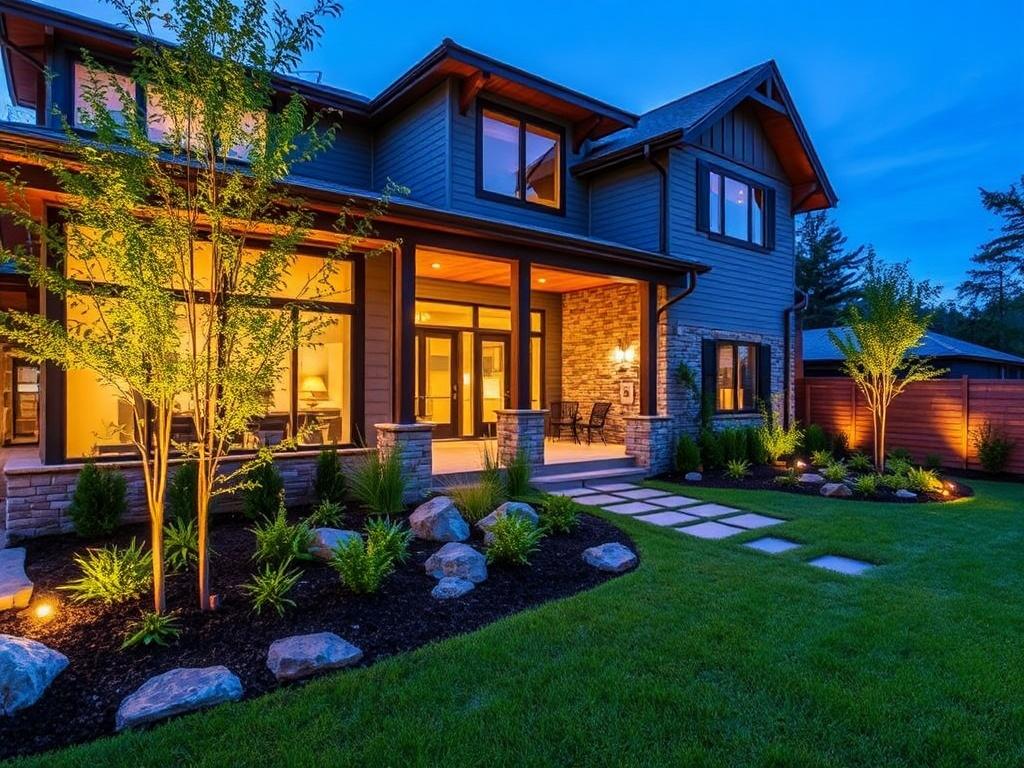
Several trends are reshaping how landscape and exterior construction integrate: sensor-driven irrigation, modular green infrastructure, and digital modeling tools. These innovations improve performance and simplify maintenance.
Prefabricated planting modules and modular paving systems shrink on-site construction time and enable controlled soil conditions that favor plant establishment. They offer predictable quality and speed.
At the same time, data-driven maintenance driven by soil moisture sensors and plant health monitoring allows adaptive care that conserves resources while extending landscape life.
Materials innovation and low-impact construction
New materials like recycled-content pavers, bio-based binders, and improved permeable systems reduce environmental footprints without sacrificing durability. These options make sustainability achievable on a budget.
Low-impact construction techniques, such as no-dig utility installation and temporary matting for equipment, protect sensitive soils and vegetation during builds. They can be specified in project documents and enforced during construction.
Adopting these methods requires early planning and contractor buy-in, but they often result in fewer repairs and better long-term outcomes.
Practical checklist for integrated outdoor projects
Use a concise checklist to keep integration goals actionable and visible throughout a project. A list makes it easy to confirm that key items have been addressed before construction begins.
- Complete soil tests and topographic survey
- Hold kickoff with all major stakeholders
- Map existing utilities and protected trees
- Agree on maintenance responsibilities and budgets
- Specify as-built and coordination document repository
Review the checklist at key milestones and after any major change order to ensure no item slips through the cracks. These simple process controls prevent many common integration failures.
Bringing the pieces together: practical project workflow
A practical workflow moves from discovery and concept into coordinated documentation, then into staged construction with ongoing coordination checkpoints. This rhythm keeps teams aligned and adaptable.
Begin with discovery and site investigation, follow with collaborative schematic design, then complete detailed design with multidisciplinary reviews. Allow time for shop drawings and early procurement for long-lead items.
During construction, schedule weekly coordination meetings and a mid-construction evaluation with owners to confirm that design intent and technical execution remain aligned.
Author reflections from the field
In decades of working on outdoor projects, I’ve seen the most successful results where designers and builders trusted each other and shared information freely. Mutual respect and early collaboration translate into fewer surprises and better outcomes.
One memorable job involved redesigning a courtyard for a nonprofit. The original plan saved costs by reducing soil depth for trees, but collaborative problem-solving produced a phased approach that preserved mature trees while staying on budget. The client still praises that decision years later.
These experiences reinforce a simple truth: integration is less about heroic fixes and more about disciplined communication and thoughtful sequencing.
Integration between landscape and exterior construction transforms good ideas into durable, functional outdoor spaces. When teams plan together, anticipate site realities, and design for maintenance and resilience, projects delight clients and endure. The technical details matter, but so does the habit of collaboration; build that into your process first, and the rest follows.