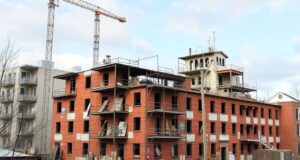
Restoring an old building is part detective work, part engineering, and entirely a conversation with time. This article walks through practical methods, guiding principles, and real-world decision-making that breathe life back into historic structures while respecting their original character.
why thoughtful restoration matters
Buildings are repositories of culture and craft, carrying stories in their mortar, timbers, and finishes. Careful restoration preserves that language while allowing structures to function in the present.
Beyond sentimental value, restored buildings offer environmental benefits by keeping embodied energy in place and often requiring fewer resources than full replacement. Well-executed projects can also unlock economic and social value for communities.
core conservation principles
Successful projects rest on a few guiding ideas: do as little as necessary, make changes reversible when possible, and ensure new work is distinguishable on close inspection. These principles help maintain authenticity and make future interventions easier.
Minimal intervention doesn’t mean doing nothing. Rather, it prioritizes repair and maintenance over wholesale replacement, and it favors solutions that are compatible with historic materials and construction techniques.
significance, authenticity, and hierarchy of interventions
Assessing a building’s historical significance informs every decision: not all elements carry equal value. Structural systems, decorative features, and later additions may be treated differently depending on their historical and architectural importance.
Authenticity is judged through material evidence and craftsmanship. The aim is to retain as much original fabric as feasible while stabilizing and conserving what remains.
reversibility, compatibility, and legibility
Reversibility means choosing methods that can be undone without harming original fabric. Compatibility refers to matching physical properties—like breathability or stiffness—so new materials don’t damage old ones.
Legibility asks that new work be readable as contemporary on close inspection while remaining visually sympathetic at a distance. This balance preserves integrity and helps future conservators interpret the building’s history.
surveying and documentation
Good restoration begins with a thorough survey. Documentation establishes a baseline, reveals deterioration patterns, and supports informed choices throughout the project.
Fieldwork should include measured drawings, high-resolution photography, and condition mapping. These records become essential references for design, approvals, and future maintenance.
tools and techniques for accurate records
Traditional measured drawings remain valuable, but modern tools accelerate and enrich documentation. Laser scanning and photogrammetry produce accurate 3D models useful for complex elements and monitoring movement.
Thermography, moisture meters, and endoscopes help detect hidden decay. Laboratory analysis of mortar, paint, and stone provides material-specific data that guide compatible repairs.
| Technique | Purpose | Typical outcome |
|---|---|---|
| Laser scanning | Dimensional accuracy, 3D modeling | Point clouds for precise drawings and clash detection |
| Photogrammetry | Detailed photographic records, texture mapping | Orthophotos and textured models for façades |
| Paint stratigraphy | Historic color and finish analysis | Layer-by-layer timeline of finishes and original palette |
| Mortar petrography | Identify components and proportions | Recommendations for compatible repointing mixes |
understanding traditional materials
Historic buildings were made with locally available resources and techniques tailored to climate and culture. Recognizing how these materials behave is fundamental to appropriate repair.
Misunderstanding materials leads to harmful “fixes”: inappropriate cement mortars on soft brick, impermeable paints on masonry, or heavy modern screws in fragile timber can accelerate decay.
masonry: stone, brick, and mortar
Masonry walls are often the backbone of older buildings. Mortar composition, joint profile, and stone or brick type influence how the wall sheds water and accommodates movement.
Before repointing, analyze historic mortar to match porosity and strength. Use lime-based mortars for soft bricks or porous stone to allow vapor transfer and reduce stress concentrations.
repointing: method and best practice
Repointing begins with careful removal of deteriorated mortar to a depth adequate for a sound key—typically two to three times the joint width. Abrasive removal risks damaging edges and should be avoided on soft units.
After cleaning, pre-wet joints and apply mortar in layers, compacting to eliminate voids. Tool the joints to match original profiles, which affects water shedding and appearance.
stone and brick repair
Consolidation uses compatible grout or lime injectables to re-bind friable masonry. Where units are too degraded, selective replacement with matching stone or molded brick is preferable to wholesale rebuilding.
Matching color, tooling, and weathering patterns matters visually, but the key is matching physical behavior—thermal expansion, porosity, and strength—to prevent future incompatibilities.
timber: structure and joinery
Timber frames and floor systems carry a lot of a building’s character. Decay often concentrates at junctions where moisture accumulates: sill plates, beam ends, and voids under floors.
Repair strategies favor splices and scarf joints that preserve as much original timber as possible. Consolidants and epoxy repairs have a place, but compatibility and long-term performance must be considered.
treating decay and pests
Moisture control is the first defense against rot and insect attack. Address leaks, improve ventilation, and restore drainage before chemical interventions.
When treatment is necessary, use targeted, low-toxicity methods and document all interventions. Modern systemic insecticides and fungicides should be applied by specialists familiar with heritage contexts.
plaster, lath, and finishes
Plaster systems reveal phases of alteration and often contain historic textures and pigments. Lime-based plasters tolerate movement and moisture better than gypsum in many historic settings.
Repairing plaster usually involves consolidation of loose areas, keyed patches using compatible mixes, and careful finishing to match textures. For decorative or painted surfaces, conservators may stabilize rather than re-cover original finishes.
roofing and weatherproofing
Roofs are the building’s primary defense. Repairing roof coverings and drainage is often the most cost-effective way to arrest widespread deterioration.
Historic materials—slate, clay tile, metal—require specialist knowledge for repair. Replace damaged units with salvaged or matching new ones and preserve original battens and flashing details where possible.
slate and tile maintenance
Individual slates and tiles can be lifted and reset, with slipped units re-bedded on lime mortar or nailed using stainless or period-appropriate fixings. Avoid blanket replacement unless repair would endanger the roof’s integrity.
Ensure flashings and valleys are properly detailed and that gutters discharge away from masonry. Poor roof drainage is a root cause of many wall and timber failures.
breathable membranes and insulation
Modern membranes and insulation can improve comfort and energy performance but must be chosen for breathability and compatibility. Impermeable barriers trapped behind historic fabric can create condensation and accelerate decay.
Insulation strategies should prioritize continuous thermal performance while protecting vapor flow. In many cases, insulating roof voids and installing secondary glazing are less invasive first steps than insulating historic walls.
windows, doors, and glazed elements
Windows and doors shape the character of a façade and often contribute to thermal performance. Repairing originals typically preserves historic proportions and details better than replacement.
Repair techniques include sash balancing, consolidation of timber, reglazing with historically appropriate glass, and reproduction of lost moldings. Secondary glazing can improve thermal performance without replacing frames.
when to repair vs. replace
Repair is the preferred route when original members can be retained with reasonable effort and expense. Replacement may be justified if elements are beyond repair and no original fabric can be reasonably salvaged.
When replacement is necessary, replicate profiles, joinery techniques, and materials where possible, and document the substitution thoroughly so future stewards understand what is original.
decorative restoration and replication
Ornamental elements—cornices, capitals, friezes—often require the most artisan skill to restore. Traditional craftspeople can reconstruct missing pieces using molds, casts, or hand-carving.
Conservators attempt to preserve original fragments and integrate new work in a way that reads as thoughtful repair rather than pastiche. Photographic records and surviving fragments guide accurate replication.
mold-making and casting
Molding allows replication of missing details from surviving patterns. Materials like lime-based casts or specialized restoration mortars are chosen to match weight, porosity, and texture of originals.
Good practice retains original fragments when possible, attaching new casts with reversible adhesives and anchors. Surface finishes and patination are tuned to read sympathetically with aged elements.
stone anastylosis and piecing-in
Anastylosis is rebuilding using original fragments supplemented with new material only where necessary. This approach is common in masonry sculpture and architectural stonework when enough fragments survive.
Documentation during dismantling, precise numbering, and photographic coverage are essential. Piece-for-piece reconstruction preserves as much authentic material as possible while restoring legibility.
modern interventions: discreet upgrades
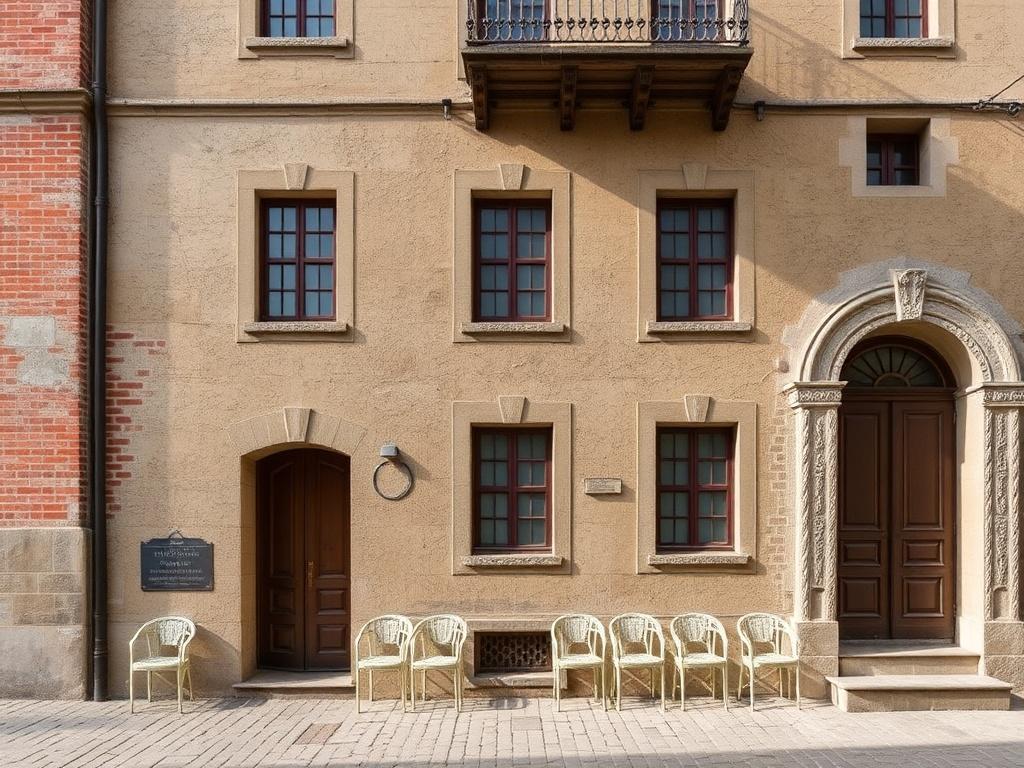
Integrating modern systems—electrical, mechanical, plumbing, fire protection—requires creativity to avoid harming historic fabric. The aim is to provide code-compliant performance while minimizing visual and physical impacts.
Conceal runs in secondary spaces, use existing chases and voids, and choose surface-mounted solutions that are sympathetic where concealment would require destructive work.
heating, cooling, and ventilation
Climate control improves occupant comfort and can stabilize materials, but HVAC installations must be sized and routed with care. Ductwork and equipment should avoid cutting primary structural members or decorative elements.
Consider decentralized systems, heat pumps with small-diameter piping, or low-impact radiant heating to avoid altering historic interiors. Good humidity control protects finishes and timber.
fire safety and accessibility
Fire protection and accessibility are non-negotiable, but solutions often can be made discreet. Smoke detection, suppression, and egress improvements should be designed to minimize visual intrusion and material loss.
Accessibility solutions—ramps, lifts, adapted door hardware—can be integrated sensitively using reversible fittings and sympathetic materials so the building remains welcoming without being compromised.
materials testing and intervention selection
Scientific testing informs targeted repair rather than guesswork. Tests such as salt analysis, petrography, and mechanical strength assessments clarify causation and appropriate remedies.
For example, identifying soluble salts helps determine desalination strategies; knowing a mortar’s chemistry guides compatible repointing mixes. This reduces the risk of recurring problems after intervention.
non-destructive evaluation
Techniques like ground-penetrating radar, infrared thermography, and ultrasonic pulse velocity identify voids, moisture, and delamination without opening walls. These tools help prioritize where invasive investigation is necessary.
Use non-destructive methods during monitoring to assess whether repairs are performing as intended and to schedule preventative maintenance.
codes, regulations, and funding
Historic projects operate within regulatory frameworks that balance safety, accessibility, and preservation. Early engagement with regulatory bodies keeps projects on track and reduces costly redesigns.
Many jurisdictions offer incentives—grants, tax credits, or technical assistance—for restoring historic properties. Understanding eligibility criteria and documentation requirements can unlock crucial funding.
working with preservation authorities
Submissions often require clear evidence of significance, condition assessments, and justification for proposed interventions. Presenting multiple options and demonstrating sensitivity to fabric usually speeds approvals.
Conversations with local preservation officers should happen early. Collaborative problem-solving often produces acceptable solutions that respect both safety and heritage values.
project workflow and team composition
A typical restoration project follows phases: assessment, design, approvals, intervention, and maintenance planning. Each phase benefits from a multidisciplinary team aligned around conservation goals.
Core team members include conservation architects, structural engineers experienced with old fabrics, material conservators, archaeologists where relevant, and skilled tradespeople who understand traditional techniques.
role of craftspeople and apprenticeships
Skilled trades—stonemasons, joiners, plasterers—are the hands that realize conservation plans. Preserving and training craftspeople ensures quality and keeps traditional skills alive for future work.
On a Victorian townhouse project I helped coordinate, pairing an apprentice with a master joiner accelerated repair timelines and transferred nuanced sash-repair techniques that plans alone couldn’t convey.
maintenance planning and monitoring
Restoration is not a single act but the start of a stewardship program. Planned maintenance prevents small defects from becoming catastrophic failures and spreads costs over time.
Create a schedule for inspections, gutter clearing, paint touch-ups, and moisture checks. Use baseline documentation and periodic photographs to monitor movement and decay trends.
simple maintenance actions that pay off
- Clear and repair gutters and downspouts annually to prevent water ingress.
- Maintain roof flashings and inspect after severe weather events.
- Keep vegetation away from walls and foundations to reduce moisture and root damage.
- Address rising damp and ground drainage issues before interior finishes are affected.
sustainability and resilience in heritage buildings
Heritage conservation and sustainability are closely aligned when interventions respect original materials and prioritize reuse. Retaining embodied carbon is one of the strongest environmental arguments for restoration.
At the same time, historic buildings face new climate challenges—more intense rain, freeze-thaw cycles, and temperature swings. Resilience measures should enhance durability without compromising authenticity.
energy retrofits with minimal intrusion
Energy upgrades should be incremental and reversible where possible. Focus on attic insulation, draught-proofing of doors and windows, and efficient lighting and HVAC systems before altering the thermal envelope.
Secondary glazing and internal insulation can be effective when carefully detailed to protect finished surfaces and allow vapor movement. Each retrofit must be justified by analysis to avoid unintended harm.
case studies: lessons from practice
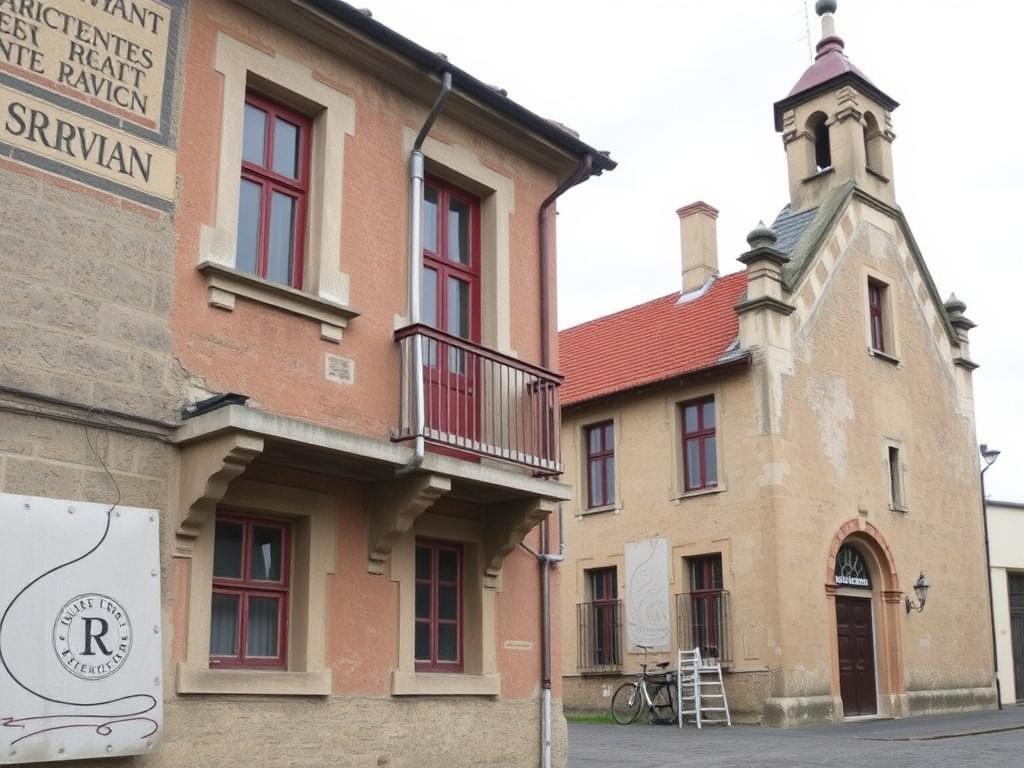
Small case studies illustrate how principles translate into practice. Consider a masonry church with rising damp: a staged approach—roof repair, improved site drainage, breathable repointing—stabilized the building more effectively than invasive underpinning.
In a terraced row restoration I observed, retaining the original sash windows and installing discreet secondary glazing preserved street character while halving heat loss compared to wholesale replacement.
common pitfalls to avoid
Several recurring mistakes undermine projects: using hard cement mortars on soft masonry, aggressive sandblasting of delicate stone, and routing services through historically significant finishes. Avoiding these errors saves time and expense later.
Another trap is fixing symptoms instead of causes. Repointing without resolving poor drainage, for example, treats the visible problem but leaves the structure vulnerable to recurrence.
budgeting and phasing
Real historic restorations balance ambition with practical budgets. Prioritize interventions that arrest decay and protect structure first, then phase aesthetic or non-essential work as funds allow.
Transparent cost estimates that separate conservation-grade work from standard construction help owners understand trade-offs and make informed decisions about phasing and funding applications.
documentation and public engagement
Preservation projects gain value when documentation is public and stakeholders are engaged. Sharing research, progress photos, and interpretive materials educates the community and builds support.
For larger projects, temporary displays, site tours, and digital reconstructions can communicate complex interventions and celebrate the craftspeople behind the work.
final thoughts on stewardship
Restoring historic buildings is an exercise in listening—interpreting the building’s language and responding with skill and restraint. The best projects combine rigorous analysis, sympathetic design, and a commitment to ongoing care.
Whether tackling a small town house or a grand civic monument, the reward is the same: a built legacy that remains whole, usable, and legible to future generations. Thoughtful restoration keeps history useful and alive for tomorrow.