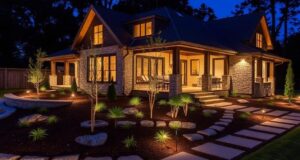
Buildings shape how we live, work, and breathe, and the way we design them determines whether they heal or harm the planet. This article explores the practical ideas and guiding values behind sustainable building, blending technical concepts with real-world examples and a builder’s eye for detail. Whether you’re a homeowner planning a retrofit, a developer setting sustainability targets, or simply curious, you’ll find concrete strategies and lessons you can apply.
What do we mean by sustainable building?
Sustainable building is an approach that reduces environmental impact while improving occupant health and long-term value. It considers every stage of a structure’s life—from site selection and material sourcing to construction, operation, and eventual reuse or demolition.
At its core, sustainable construction balances three things: environmental stewardship, human well-being, and economic viability. Those goals sometimes pull in different directions, so successful projects require trade-offs, creativity, and careful measurement.
This article uses the term Sustainable Building: Principles of Green Construction sparingly to anchor the discussion, but the ideas here apply across labels and standards. Think of it as a set of principles rather than a rigid checklist.
Why green building matters
Buildings account for a large share of global energy use, materials consumption, and greenhouse gas emissions. Reducing that footprint is one of the most direct ways to tackle climate change and resource depletion.
Beyond environmental gains, green buildings often deliver better indoor air quality, increased comfort, and lower operating costs. Those benefits translate into higher occupancy satisfaction, better productivity, and improved asset value.
Municipalities, lenders, and tenants are increasingly valuing sustainability. That shift creates incentives—financial and reputational—for builders and owners to adopt greener practices now, not later.
Foundational principles of sustainable construction
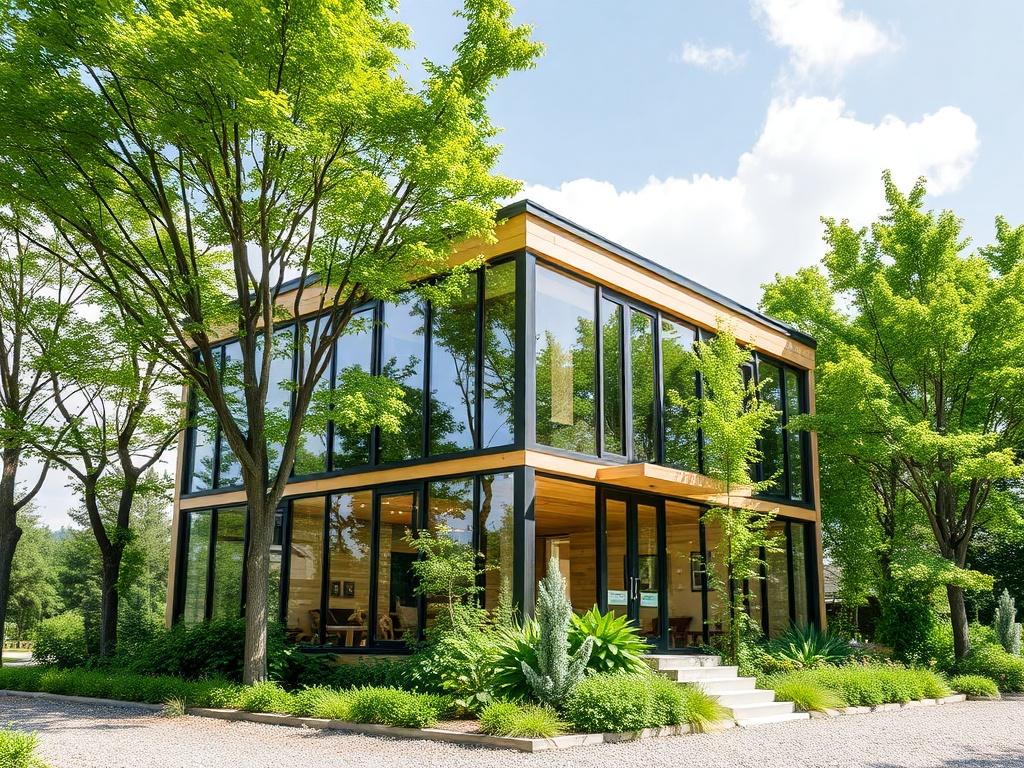
Sustainable construction is guided by a handful of durable principles that inform choices at every scale. These principles are intent-driven rather than prescriptive, and they help teams make consistent decisions under uncertainty.
First, minimize resource use. That includes energy, water, and materials. Less consumption reduces operating costs and decreases the pressure on natural systems.
Second, prioritize longevity and adaptability. Buildings that last longer and can be repurposed avoid the environmental cost of demolition and replacement.
Third, protect occupant health. Ventilation, low-toxicity materials, daylighting, and acoustic design all contribute to physical and mental well-being.
Fourth, work with local ecosystems and communities. Respecting site hydrology, preserving native vegetation, and considering neighborhood context create resilience and social value.
Principle: do more with less
Efficiency is the low-hanging fruit of sustainable building. Reducing demand is often cheaper and more reliable than trying to supply it with renewable systems alone. That means designing envelopes, systems, and behavior around lower consumption.
Passive design—orienting a building for daylight, shading, and natural ventilation—cuts energy need before you choose equipment. Smaller mechanical systems are cheaper to install and maintain, and they free up capital for higher-quality materials or renewable energy.
Principle: think lifecycle, not just first cost
Upfront price often dominates decision-making, but lifecycle thinking changes the equation. Durable materials, better insulation, and efficient systems typically pay back through lower maintenance and operating expenses.
Lifecycle assessment tools quantify environmental impacts from cradle to grave, helping teams choose materials with lower embodied carbon and longer service lives. These tools make trade-offs visible rather than intuitive.
Principle: avoid toxics and prioritize indoor health
Materials that off-gas volatile organic compounds (VOCs) or release hazardous dust undermine occupant health and reduce a building’s long-term value. Choosing low-emission finishes, paints, and adhesives is a simple, high-impact step.
Proper ventilation and filtration complement material choices, ensuring that indoor air quality remains high throughout the building’s life. These measures pay dividends in reduced sick days and improved comfort.
Site selection and planning
Choosing where to build is the first sustainability decision. The site influences transportation impacts, stormwater management, and local climate interactions.
Brownfield redevelopment, infill construction, and building near transit all reduce sprawl and vehicle miles traveled. Those choices cut carbon emissions and improve social equity by connecting people to jobs and services.
Site planning also addresses microclimate. Preserving trees, using permeable paving, and designing with prevailing breezes in mind reduce heat islands and manage runoff more effectively.
Respecting natural systems
Allowing natural drainage patterns to persist avoids costly and fragile engineered solutions. Bioswales, retention ponds, and rain gardens treat stormwater at the source and recharge groundwater where appropriate.
Native planting requires less irrigation and supports local biodiversity. In my neighborhood retrofit, replacing a manicured lawn with a native meadow cut irrigation by two-thirds and boosted pollinators noticeably by the first summer.
Connectivity and transport
Designing for walking, cycling, and transit access dramatically lowers a building’s transportation emissions profile. Even modest amenities—bike racks, shower facilities, and secure storage—encourage low-carbon commuting.
Parking design matters too. Excess surface parking encourages car dependence and raises embodied material and heat-island impacts. Shared and reduced parking footprints free land for green space or additional housing.
Energy efficiency and passive design
Energy efficiency is the backbone of sustainable building. The less energy a building needs, the easier and cheaper it is to reach net-zero carbon operation with renewables.
Passive strategies—orientation, insulation, glazing performance, shading, and thermal mass—are fundamental because they reduce loads before mechanical systems are specified. Investing in envelope quality pays off every season.
Active systems such as high-efficiency HVAC, heat-recovery ventilators, and smart controls complement passive measures and fine-tune performance to occupant patterns.
Orientation, daylight, and shading
Simple orientation choices can halve heating or cooling loads. In temperate climates, maximizing southern exposure (in the Northern Hemisphere) captures winter sun while shading devices limit overheating in summer.
Daylighting strategies reduce electric lighting demand and improve occupant well-being. Well-designed daylighting balances glare control with diffuse light and pairs with daylight-responsive lighting controls to save energy.
High-performance envelopes
Insulation, airtightness, and high-quality windows are central to control heat flow and prevent drafty interiors. Airtight construction combined with controlled ventilation avoids moisture problems and improves thermal comfort.
Continuous insulation and thermal-bridge-free detailing are especially important at junctions—roofs, walls, and foundations—where heat loss concentrates. These details take time to design but pay off over decades.
Efficient systems and controls
Modern heat pumps, condensing boilers, and demand-controlled ventilation offer substantial savings. Integrating systems with controls that respond to occupancy and weather data squeezes inefficiencies out of daily operation.
Investment in metering and submetering allows teams to track performance and detect faults. Without measurement, even well-designed systems can drift into inefficiency.
Materials and resource efficiency
Materials selection determines a large portion of a building’s embodied environmental impact. The energy and emissions tied to producing, transporting, and installing materials are called embodied carbon.
Reducing embodied carbon starts with design choices—smaller footprints, simpler structural systems, and longer-lived components. Choosing lower-carbon materials such as responsibly sourced timber, recycled steel, and low-carbon concrete alternatives further reduces impact.
Reusing existing structures is often the most effective strategy for cutting embodied carbon. Adaptive reuse preserves embedded energy and retains cultural memory while avoiding the waste associated with demolition.
Choosing materials wisely
Specify materials with environmental product declarations (EPDs) and prefer products with recycled content. Local sourcing reduces transport emissions and supports regional economies when it makes sense.
Balance is important. Some low-embodied-carbon materials may have other trade-offs, such as increased maintenance needs. Lifecycle thinking helps teams compare these trade-offs transparently.
Design for deconstruction and reuse
Fasteners, connections, and modular assembly influence how easily components can be reused or recycled at end of life. Dry connections and labeled materials make future salvage more feasible.
In a small commercial fit-out I worked on, designing furniture and partitions for disassembly enabled us to reuse more than half of the materials in a subsequent tenant fit-out, saving cost and waste.
Water management and conservation
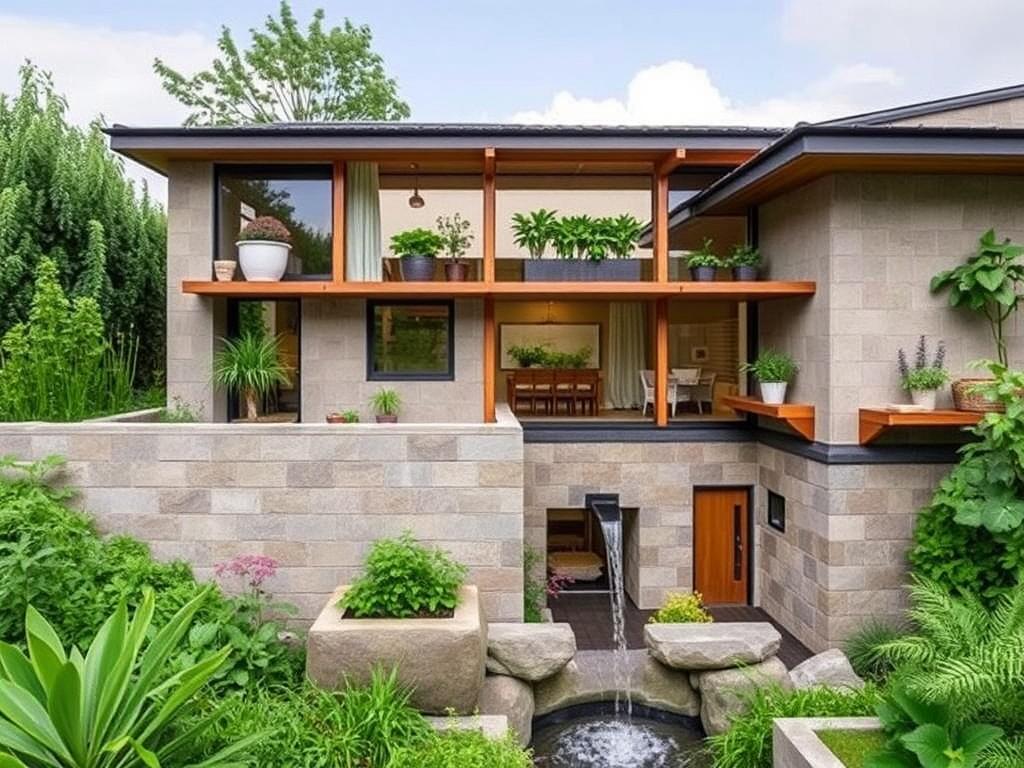
Water scarcity is an emerging constraint in many regions. Sustainable buildings reduce potable water demand, capture rain where practical, and treat greywater for reuse when allowed by codes.
Fixture efficiency—low-flow toilets, faucets, and efficient irrigation—offers immediate savings. But integrating water-saving strategies into landscape design and HVAC systems multiplies benefits.
Rainwater capture and reuse
Rainwater harvesting can serve irrigation, toilet flushing, and some nonpotable building needs. Even modest cisterns paired with efficient irrigation systems significantly cut municipal water demand.
Permeable pavements and infiltration features keep water on-site and reduce stormwater runoff, helping urban areas manage flood risks and recharge aquifers.
Greywater and on-site treatment
Reusing shower and sink water for irrigation or toilet flushing reduces demand on potable supplies. Designing for greywater requires careful separation, treatment, and compliance with local regulations.
Small-scale biological filtration or constructed wetlands provide low-energy treatment options for landscape irrigation in appropriate climates and densities.
Indoor environmental quality (IEQ)
IEQ touches air quality, thermal comfort, acoustics, lighting, and ergonomics. Buildings that perform well on IEQ support occupant health, reduce absenteeism, and boost productivity.
Beyond low-VOC materials and ventilation, design choices like daylight distribution, views to nature, and controllability of thermal conditions make spaces more comfortable and resilient to individual needs.
Ventilation and filtration
Proper ventilation dilutes indoor pollutants while filtration removes particulates, pollen, and some pathogens. Heat-recovery ventilators recover energy from exhaust air, reducing the heating and cooling penalty of ventilation.
In older buildings, retrofitting balanced ventilation systems can be transformative, dramatically improving air quality without excessive energy penalties.
Acoustics and daylighting
Acoustic privacy matters as much as temperature, especially in open-plan offices and multifamily housing. Sound-absorbing finishes, layout strategies, and mechanical system design reduce intrusive noise.
Daylight improves mood and circadian health, but glare control and shading are necessary to make well-lit spaces usable throughout the day. Integrating both daylight and electric lighting with adaptive controls yields the best results.
Construction practices and waste management
Construction itself is a major source of waste and emissions. Sustainable projects manage materials carefully, reduce onsite waste, and protect surrounding ecosystems during the build phase.
Implementing construction waste plans, salvaging materials, and specifying reclaimed products reduce landfill load and can lower costs when coordinated early.
Site protection and erosion control
Protecting soil and vegetation during construction prevents sediment from polluting waterways and preserves the productivity of the site. Simple measures—silt fences, phased clearing, and stabilized access points—make a big difference.
Training subcontractors on environmental goals ensures that protections are respected. Clear expectations and monitoring create accountability.
Waste reduction tactics
Prefabrication and offsite assembly reduce material waste and accelerate schedules. They also improve quality by moving work to controlled factory conditions.
Onsite sorting and partnerships with deconstruction contractors enable salvage of usable components and diversion of materials from landfills.
Certifications and standards
Third-party certifications help measure and communicate performance. They provide frameworks that guide design teams and reassure owners and occupants.
Different certifications emphasize different priorities, so selecting the right one depends on project goals, geography, and budget.
Comparison of common systems
| Certification | Primary focus | Typical project types |
|---|---|---|
| LEED | Operational efficiency, materials, site | Commercial, institutional, residential |
| BREEAM | Holistic environmental assessment | International projects, variety of building types |
| Passive House | Energy performance and airtightness | Residential and small-to-medium commercial |
| Living Building Challenge | Regenerative design, rigorous standards | Ambitious, demonstration projects |
Use certifications as tools rather than goals unto themselves. They can guide decisions, but local context and occupant needs should remain central.
Economics: lifecycle costing and incentives
Financial analysis that includes operating costs, maintenance, and replacement cycles often flips the apparent cost-effectiveness of green choices. High-quality windows or efficient HVAC systems almost always show positive returns over time.
Government incentives, tax credits, and utility rebates further improve project economics. Understanding available incentives early in design can shape which measures are most cost-effective.
For developers, green building can also be a market differentiator. Tenants pay premiums for lower utility bills and healthier spaces, which can support higher rents and lower vacancy.
Payback and financing strategies
Calculate simple payback for single measures, but also model cash flows over a building’s expected lifetime to reveal true value. Green mortgages and performance-based contracts can align financing with operational savings.
Commercial buildings often use energy service agreements or on-bill financing to fund upgrades with no upfront capital, paying back improvements from realized savings.
Retrofitting existing buildings
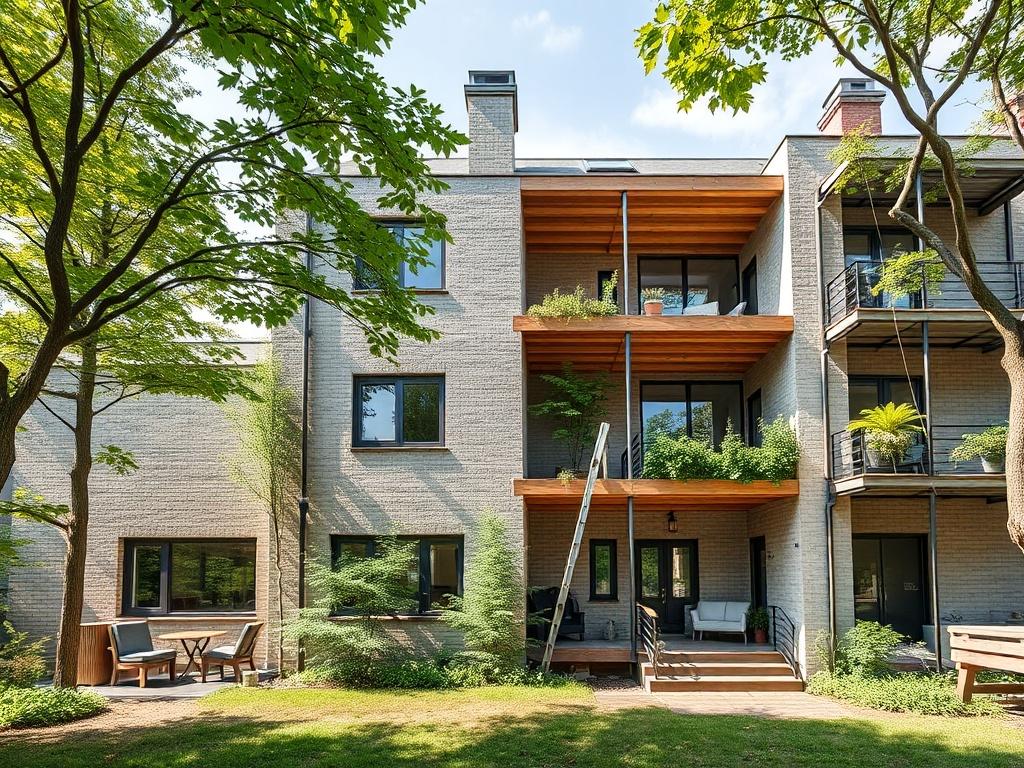
The vast majority of buildings that will exist in 2050 already stand today. Retrofitting them is essential to meet climate goals affordably and equitably.
Good retrofits target the envelope, HVAC, lighting, and controls, but they also prioritize occupant-centered upgrades that improve health and comfort. Small, staged interventions can unlock major benefits without major disruption.
Staged retrofit approach
Start with low-cost, high-impact measures—lighting, controls, and simple air-sealing—then move to deeper upgrades such as insulation, window replacement, and system replacement. This staged approach spreads costs and allows teams to learn from measured performance.
Smart meters and short-term monitoring help validate savings and guide subsequent investments. In one multifamily retrofit I observed, initial lighting and HVAC tune-ups delivered quick savings that funded the next phase of envelope improvements.
Case studies and real-life examples
Examples make principles tangible. A midrise office converted from a 1970s building achieved a 40 percent reduction in energy use after improving insulation, replacing windows, and installing heat-recovery ventilation.
On the residential side, a modest passive house I visited used a superinsulated envelope, mechanical ventilation with heat recovery, and careful shading. The homeowners reported drastically lower energy bills and improved comfort year-round.
These projects share common features: early planning, integrated teams, and a willingness to prioritize long-term performance over short-term savings. They also show that retrofit and new construction both benefit from the same principles.
Barriers and how to overcome them
Practitioners often cite cost, regulatory complexity, and knowledge gaps as main barriers to sustainable building. Each barrier has practical remedies if acknowledged early in a project.
Education and standardized specifications reduce perceived risk for owners and contractors. Clear early-stage goals and measurable targets help keep teams focused as decisions accumulate.
Engaging financiers and insurers around long-term value can unlock capital for higher-quality materials and systems that pay back over time. Pilot programs and demonstration projects reduce uncertainty in new markets.
Regulatory and code challenges
Building codes are evolving and can both constrain and enable innovation. Working with code officials early smooths the approval process and identifies acceptable alternatives for novel systems.
Where codes lag, project teams can use performance-based compliance paths or pursue exceptions with documented strategies. Advocacy and data-sharing help codes catch up to best practices.
Supply chain and contractor experience
Quality depends on experienced trade partners. In markets where green construction is new, investing in training and simple checklists reduces costly errors and rework.
Prefabrication and standardized assemblies make quality more predictable and expand the pool of contractors who can deliver high-performance work reliably.
Emerging trends and future directions
The sustainable building field continues to innovate. Net-zero and net-positive energy buildings are becoming more common as renewables integrate with storage and smarter grids.
The circular economy reframes materials as resources to be kept in use, promoting products designed for reuse and business models focused on service rather than ownership.
Biophilic design and nature-based solutions are blending climate resilience with human-centered design, producing spaces that are both healthy and regenerative.
Digital tools, monitoring, and AI
Advanced simulation, sensors, and machine learning enable buildings to operate closer to design intent. Continuous commissioning and predictive maintenance extend equipment life and protect performance gains.
When combined with occupant feedback loops, digital tools can balance efficiency with comfort and adapt to changing needs without major capital overhauls.
Materials innovation
Low-carbon concrete mixes, mass timber, and bio-based insulation materials are maturing and scaling. These innovations reduce embodied emissions while offering performance features that traditional materials lack.
Standardized environmental product declarations and transparency platforms are improving trust and comparability across suppliers, making it easier for specifiers to choose better options.
Practical checklist for builders and owners
Below is a compact set of actions to guide a sustainability-focused project from concept through operation. The checklist is designed to be practical and to fit within typical project workflows.
- Set measurable performance goals early (energy, water, IEQ, embodied carbon).
- Prioritize passive strategies before specifying mechanical systems.
- Choose durable, low-toxicity materials with verified environmental declarations.
- Design for adaptability and deconstruction—label systems and use dry connections where possible.
- Implement a construction waste management and site-protection plan.
- Install monitoring and metering to verify performance and enable continuous improvement.
- Engage occupants and provide simple controls and education for efficient use.
Following these steps doesn’t guarantee perfection, but it focuses attention on the decisions that most often determine long-term results.
Policy and community considerations
Public policy shapes incentives and creates markets for green products and practices. Zoning that encourages density and mixed use reduces transport emissions and supports sustainable lifestyles.
Community engagement ensures that projects address local needs and share benefits broadly. Affordable housing, green space, and accessible transit connections are sustainability outcomes as important as energy savings.
Local governments that prioritize building performance through incentives or mandates spur innovation and create economies of scale that lower costs for everyone.
How to measure success
Success is measured by outcomes more than intentions. Energy meters, water metering, and indoor air quality sensors provide objective data that validate performance promises.
Post-occupancy evaluation and occupant surveys reveal how people experience spaces and highlight gaps between design intent and daily use. Those insights inform future projects and continuous improvement.
Metrics should include both environmental indicators—like energy use intensity and embodied carbon—and human-centered measures—like thermal comfort, daylight access, and measured VOCs.
Final thoughts on building differently
Transitioning the built environment toward sustainability is a design challenge and a social one. It requires rethinking procurement, collaboration across disciplines, and willingness to invest in long-term outcomes.
Small projects and incremental improvements add up. Every retrofit that reduces energy use, every new building that prioritizes occupant health, and every policy that nudges markets toward low-carbon materials moves the needle.
The principles outlined here are practical, scalable, and adaptable. They invite builders, owners, designers, and communities to make better choices—choices that reduce harm, enhance lives, and keep possibilities open for future generations.