
We spend most of our lives inside spaces designed by other people, yet few of us stop to consider how walls, light, and scale speak to our moods and actions. The built environment is not neutral; it communicates, nudges, comforts, and sometimes confounds. In this article I explore how architects use form, material, and organization to shape human experience, drawing on research, real projects, and hands-on observations.
Understanding space as a psychological instrument
At its heart, architecture is applied psychology. Designers translate knowledge about perception, memory, and social behavior into physical choices: where a corridor widens, how daylight enters a room, the height of a ceiling. Those decisions influence attention, stress, social interaction, and even decision-making.
Researchers in environmental psychology study these effects with methods ranging from controlled laboratory experiments to long-term behavioral mapping in buildings. The findings are practical: certain spatial conditions reliably increase calm, others stimulate activity, and many subtle combinations determine whether a place feels inviting or alienating.
Brief history: ideas that linked mind and space
Thoughts about the psychological power of space are not new. Ancient builders tuned proportion and orientation—consider the axial procession of a temple—to elicit awe and ritual focus. Enlightenment-era theorists explored proportion and light as moral forces, while modernists rediscovered functionality and clarity to promote efficient living.
In the 20th century, architects and psychologists began a more explicit dialogue. The Bauhaus emphasized human-scale proportions and clarity, while later phenomenologists like Juhani Pallasmaa argued for multisensory architecture that engages touch, sound, and memory. Contemporary practice blends empirical research with these richer, human-centered frameworks.
Core psychological principles that guide design
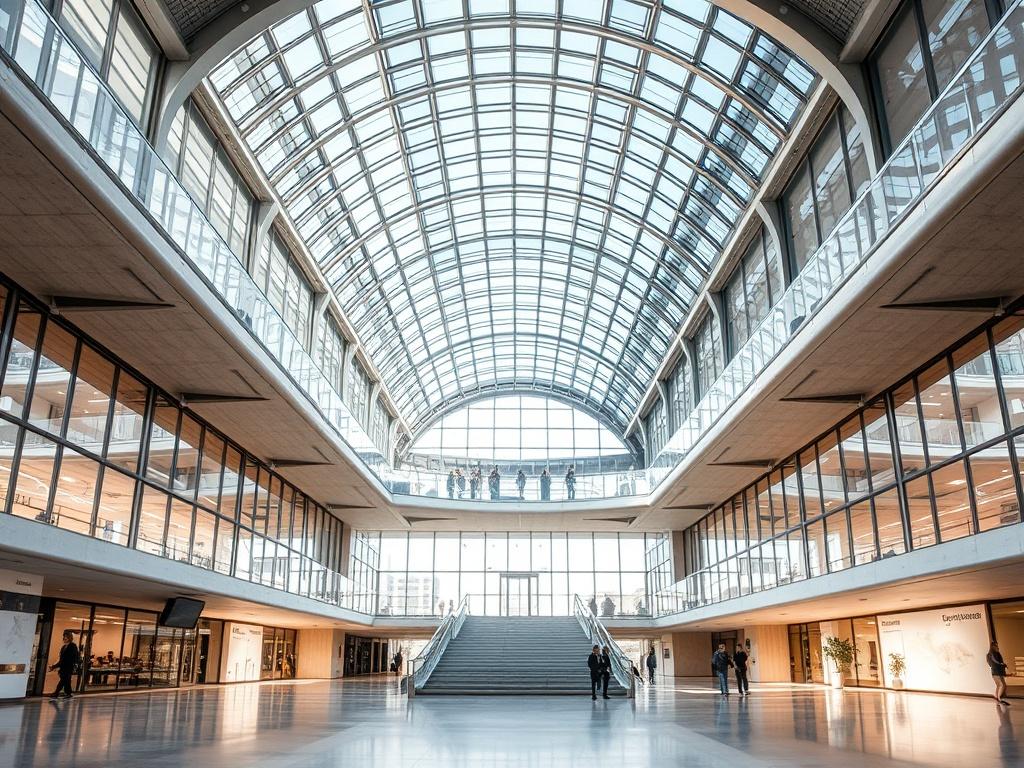
Several recurring principles organize how space affects people. These are not rules but levers architects use: scale and proportion, prospect and refuge, legibility and complexity, light and color, and enclosure versus openness. Each interacts with culture, individual history, and context to produce effects that can be anticipated and shaped.
Below I unpack these principles with examples and practical implications for designers, clients, and anyone who wants to understand why some places feel right and others don’t.
Scale and proportion: small changes, big effects
Scale governs how comfortable a space feels. A room that is too large for a group can render people isolated; too small and it becomes claustrophobic. Proportion—the relationships between height, width, and depth—affects perception of harmony and balance.
In my practice, I once redesigned a community center lobby that felt oppressively wide. Introducing a mezzanine and lowering the overhead soffit by just a few feet transformed the space from indifferent to welcoming, encouraging people to linger and connect.
Prospect and refuge: the survival instinct in architecture
Humans have an evolutionary preference for settings that offer a good view (prospect) while providing a degree of protection (refuge). This explains why many people choose seats with their back to a wall and a clear view of the room, or why windowed alcoves are popular in cafés and libraries.
Design strategies that balance prospect and refuge can support concentration in learning environments and comfort in public places. Seen in parks, cafés, and offices, the pattern of peripheral seating with clear sightlines is psychologically robust across cultures.
Legibility and complexity: finding the sweet spot
Legibility is how easily someone can understand the layout and orientation of a place. Complexity is how richly detailed a space is. Too much complexity disorients; too little bores. Architects aim for a level of complexity that rewards exploration while maintaining clarity.
Wayfinding problems are a frequent outcome of poor legibility. Adding visual landmarks, changing materials at thresholds, and aligning sightlines can dramatically reduce confusion and the stress that accompanies it.
Light, color, and material: direct sensory pathways
Light is perhaps the most immediate psychological material. Daylight regulates circadian rhythms, affects mood, and highlights textures that give spaces identity. Color likewise communicates: warm palettes can comfort, cool tones can calm or feel formal depending on context.
Materials transmit meaning and touch. Natural wood and stone are often associated with warmth and permanence, while metal and glass can feel sleek but cold. Thoughtful combinations help designers modulate emotional tone without heavy-handed decoration.
Enclosure and openness: controlling intensity and social density
Open-plan spaces can foster interaction and adaptability, but without moments of enclosure they can also cause distraction and stress. Conversely, rooms that are too compartmentalized may impede collaboration and creativity.
Successful designs create a rhythm between open and enclosed areas—meeting rooms and quiet niches tucked around shared commons, for instance—so occupants can choose the intensity of interaction they need at any moment.
Sensory factors beyond sight
Architectural psychology often focuses on vision, but other senses matter greatly. Acoustics influence privacy and concentration. Temperature and airflow affect comfort and perceived quality. Smell and tactile sensations can trigger memories or immediate aversions.
Designing for the full sensory palette means anticipating how materials resonate, how HVAC systems distribute drafts and sound, and how adjacent functions (like kitchens or mechanical rooms) might introduce odors or noise into spaces meant for calm.
Acoustics: shaping attention and privacy
Noise shapes behavior in predictable ways. In open offices, high background noise reduces focus and increases stress. In restaurants, excessive reverberation spoils conversation. Acoustic design involves absorption, diffusion, and strategic separation of noisy functions.
When I worked on a small clinic, we found that simple acoustic seals around doors and upholstered panels in waiting areas reduced perceived stress among visitors and improved staff communication. The change cost little but made a measurable difference in user satisfaction.
Thermal comfort and airflow: invisible influences
Thermal comfort is a primary determinant of satisfaction. People quickly judge a room as pleasant or not based on temperature and draft patterns. Natural ventilation strategies that provide controllable openings often outperform mechanical systems in perceived comfort, even if both meet code.
Architects who choreograph airflow—placing windows and vents to create gentle cross-breezes, or using thermal mass to smooth temperature swings—can make spaces feel more alive and comfortable without overt technology.
Smell and touch: quick gateways to memory
Smells and textures are tightly linked to memory and emotion. A scent in a hospital corridor or a cool stone floor in an entryway can trigger deep associations that shape how a place is remembered. Designers can use these cues deliberately, but they must also control unwanted odors that undermine an environment’s intent.
In hospitality design, a signature scent and carefully chosen textiles can form a coherent sensory brand that guests remember long after they leave. Those choices matter because they become part of a building’s identity.
Social and cultural dimensions of space
Spatial meaning is not universal. Culture, social norms, and personal history all modulate how people interpret and use places. A courtyard might be a center of communal life in one culture and an exposed, uncomfortable void in another.
Designers who work across contexts must study local patterns of use, privacy expectations, and norms of interaction. Co-design processes and ethnographic research reveal subtle differences that can make or break a project’s acceptance by its users.
Gender, age, and accessibility considerations
Design affects different groups in distinct ways. Women, older adults, and people with disabilities may have different spatial needs for safety, wayfinding, and comfort. Inclusive design anticipates these variations rather than retrofitting them later.
Lighting levels, tactile cues for the visually impaired, and clear sightlines for safety are examples of design moves that improve usability for everyone. Universal design principles create environments that are both welcoming and functional for diverse populations.
Privacy and social density: negotiating public and private
Privacy is a layered concept: acoustic, visual, and social. High-density urban housing and open-plan workplaces require careful strategies to protect personal routines and provide retreat spaces. The balance between visibility and seclusion determines whether people feel safe and respected.
Simple moves—introducing semi-private balconies, screening devices, or pocket gardens—often restore dignity and agency where layouts had previously failed to accommodate private needs.
Biophilic and restorative design: nature’s psychological benefits
Biophilic design integrates natural elements—views, plants, water, natural materials—into built environments to support wellbeing. Evidence links exposure to nature with reduced stress, improved cognition, and faster recovery from illness.
Whether through daylight, access to green views, or use of organic textures, reconnecting occupants with natural patterns has become a measurable design strategy for fostering health and productivity.
Healing environments: healthcare as a testing ground
Healthcare design has led much of the research linking environment to outcomes. Studies show that patients with access to daylight and views recover faster, require less pain medication, and report higher satisfaction. Staff burnout also decreases in well-designed workspaces.
Architects working with hospitals often prioritize natural light, wayfinding, and family support areas. In one cancer care center I visited, gardens and intimate seating areas reduced stress for families; their presence made a clinical setting feel more human.
Urban green spaces and mental health
At the city scale, access to parks and green corridors correlates with lower rates of depression and anxiety. Micro-interventions—like pocket parks or tree-lined streets—improve neighborhood social cohesion and provide restorative breaks from urban intensity.
Designing cities that foster incidental encounters with nature should be a priority for urban planners who care about public mental health. The returns on modest investments can be disproportionately large.
Design for different program types
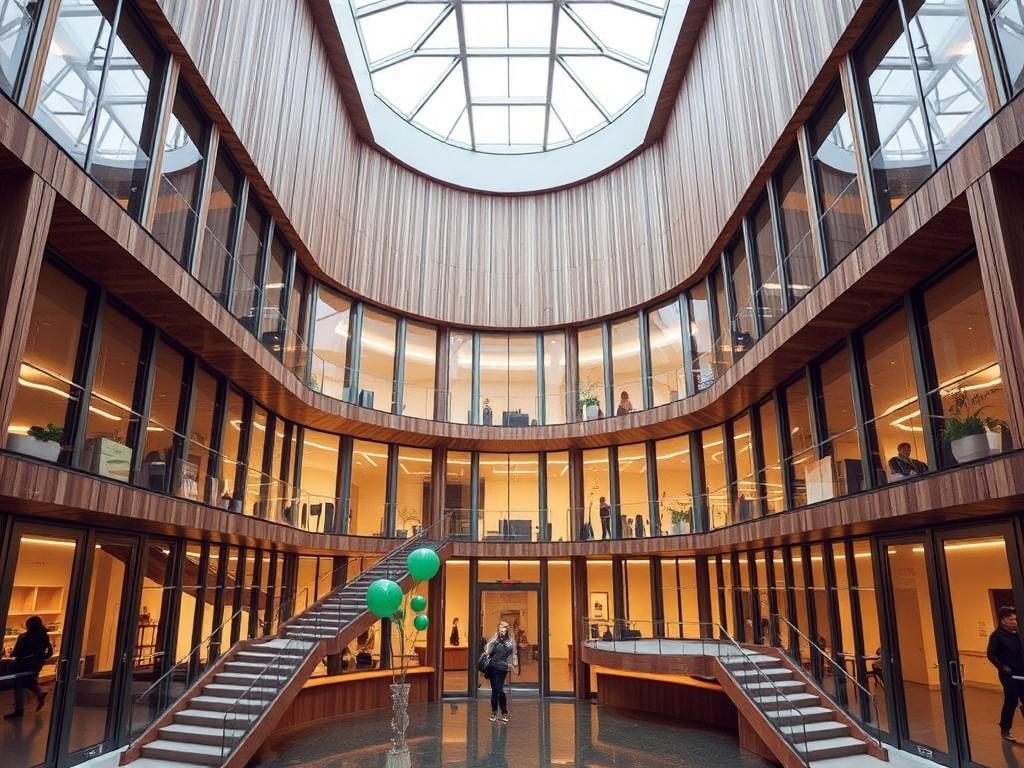
Each building type carries distinct psychological goals. Schools aim to promote learning and curiosity, offices to enable productivity and collaboration, retail to influence behavior and dwell time, and homes to support privacy and comfort. Architects translate these goals into spatial strategies tailored to programmatic needs and human behavior.
Below are examples of tailored approaches for several common building types, with practical strategies that designers can apply.
Education: environments that scaffold attention and play
Classroom design impacts attention, engagement, and social learning. Good educational spaces provide clear sightlines, flexible furniture, sufficient daylight, and acoustic control. Spaces that allow movement and variation in activity support both focused work and group collaboration.
Project-based learning thrives in spaces that blur the line between studio and classroom—large flexible rooms, breakout nooks, and display surfaces where student work can be shared and critiqued openly.
Workplaces: balancing concentration and collaboration
Modern workplaces must accommodate deep work, quick interactions, and private calls. The rise of hybrid work has pushed architects to create spaces that are adaptable and provide users choice. Zoning open areas with quiet rooms, phone booths, and lunch terraces allows occupants to regulate their exposure to stimulation.
Case studies from technology firms show that playful, informal areas boost serendipitous exchange, but too much openness undermines focused tasks. The best workplaces offer a menu of spatial intensities from private heads-down spaces to social hubs.
Retail and hospitality: shaping behavior and memory
Retail architects use spatial sequencing, lighting, and material shifts to guide customers and emphasize merchandise. Restaurants and hotels craft atmospheres—intimate lighting, layered seating, scented environments—to create memorable experiences that encourage return visits.
In hospitality, small interventions like a transition zone at the entry, warm tactile surfaces in communal lounges, and clear paths to key amenities can heighten comfort and make space feel curated rather than generic.
Residential design: domestic scale and psychological rituals
Homes are repositories of memory and routine. Designing for domestic life means anticipating how people move through a day: morning rituals, family gatherings, private retreats. Flexible spaces that can change with lifecycle events—children leaving home, aging occupants—increase long-term satisfaction.
In my own remodeling of a small apartment, adding a modest alcove for reading and a flexible wall system that allowed the living area to become a guest room vastly increased the unit’s perceived usefulness without expanding footprint.
Tools and methods to measure and predict effects
Architects combine qualitative research and quantitative tools to understand how spaces will perform psychologically. Observation studies, post-occupancy evaluations (POEs), virtual reality simulations, and physiological monitoring provide different lenses on human response.
Using these tools in concert yields richer insights: VR can test spatial configurations before construction, while POEs reveal long-term patterns that simulations can’t capture. Together they form a pragmatic research toolkit for evidence-based design.
Post-occupancy evaluation: learning from real use
POEs collect data on how buildings are used after completion. Surveys, behavioral mapping, and sensor data show where layouts succeed or fail. These evaluations feed back into future projects and reduce the guesswork that often defines architectural practice.
I’ve participated in POEs where small adjustments—moving a coffee station, adding an exterior canopy—had outsized effects on social behavior and space utilization. POEs are efficient investments in improving future design outcomes.
Virtual reality and simulation: testing experience early
VR allows clients and designers to “inhabit” a proposed space before it’s built, testing sightlines, scale, and sequencing. It is especially useful for complex projects where circulation and multisensory experience matter. Simulations of daylight and acoustics further refine decisions about materials and openings.
While VR doesn’t fully replicate touch or temperature, it reduces misalignment between expectation and reality and helps stakeholders make informed choices early in the process.
Practical strategies: design moves with reliable psychological effects
Designers benefit from a toolkit of strategies that reliably influence mood and behavior. These moves need not be grand—many are small, inexpensive, and high-impact. Below is a list of evidence-based tactics you can apply to a wide range of projects.
- Maximize daylighting with well-placed windows and light shelves to improve mood and circadian health.
- Create a clear hierarchy of spaces—thresholds, nodes, and paths—to enhance legibility and reduce wayfinding stress.
- Provide a range of spaces from enclosed to open to allow choice and control over social interaction.
- Use natural materials and biophilic elements to lower stress and foster restorative attention.
- Design acoustic privacy through absorptive finishes and spatial separation of noisy functions.
- Introduce tactile variety—textured walls, plush seating—to satisfy the need for touch and variety.
- Balance prospect and refuge by offering views while allowing secluded seating options.
- Integrate modular furniture and moveable partitions to support changing programmatic needs.
These strategies are not prescriptive recipes; they are starting points for tailored interventions that respect context and users. The art of design is selecting the right combination for a particular program and culture.
Common pitfalls and how to avoid them
Architects and clients often fall into recurring traps: prioritizing aesthetics over comfort, underestimating acoustics, or assuming one solution fits all users. Awareness of these pitfalls makes it easier to steer projects toward humane outcomes.
For example, open plans are fashionable but can undermine privacy and focus unless coupled with retreat spaces. Similarly, high-gloss materials may look elegant but produce glare and harsh acoustic reflections. Anticipating such trade-offs is part of responsible design.
Overdesigning for novelty at the cost of usability
Striving for uniqueness is understandable, but novelty should not sacrifice clarity. Users need predictable cues—clear paths, recognizable thresholds, and stable landmarks. Too many surprising moves can frustrate daily navigation and erode the building’s long-term value.
Contextual humility—listening to users and observing real patterns—often produces designs that are both original and enduring.
Ignoring adaptability and lifecycle changes
Buildings that lock in a single mode of use quickly become obsolete. Designing for adaptability—allowing easy reconfiguration of furniture, services, and partitions—extends usefulness and reduces waste. This is both economical and psychologically beneficial, as occupants can shape their environment over time.
Detailing that supports change, such as accessible service runs and modular systems, keeps spaces responsive to shifting needs and behaviors.
Measuring outcomes: indicators that matter
To judge whether design decisions have the intended psychological effect, practitioners track a variety of indicators. These range from subjective satisfaction surveys to objective metrics like absenteeism, dwell time, and circulation patterns.
The table below summarizes common indicators, what they measure, and typical methods for collecting data.
| Indicator | What it measures | Typical methods |
|---|---|---|
| Occupant satisfaction | Perceived comfort, usability, and atmosphere | Surveys, interviews, focus groups |
| Spatial utilization | How and how often spaces are used | Behavioral mapping, occupancy sensors, time-lapse photography |
| Health and wellbeing | Stress levels, recovery times, sick days | Medical records, HR data, wearable monitors |
| Performance metrics | Productivity, learning outcomes, sales | Work output records, test scores, transaction data |
| Wayfinding success | Ease of navigation and reduced disorientation | Task-based navigation studies, time-to-destination measures |
Collecting this data requires sensitivity to privacy and ethics, but it provides the evidence base necessary to refine design hypotheses and investments.
Case studies: examples that illustrate principles
Real projects illuminate how theory meets practice. Below are concise case studies that show how spatial psychology has been applied successfully in different settings.
Maggie’s Centres: therapeutic architecture
Maggie’s cancer support centers, designed by leading architects around the world, prioritize light, domestic scale, and garden access. The architectural intent is explicit: create spaces that reduce stress and support social connection during a difficult time. The centers embody a design logic that puts human dignity at the center of programmatic choices.
Visitors report feeling less anxious and more supported in these centers. The buildings are not clinical; they are intentionally domestic and accessible, showing how atmosphere and spatial sequence can become therapeutic tools.
Therme Vals: sensory materiality
Peter Zumthor’s Therme Vals in Switzerland uses stone, light, and water to craft a powerful sensory experience. The architecture is a study in tactile and acoustic control, where material choices create rhythms of intimacy and release. People report profound relaxation in the baths, which is a direct effect of carefully orchestrated sensory inputs.
The project teaches that material and sensory consistency—coupled with careful sequencing—can produce a strong psychological response without relying on overt symbolism.
Salk Institute: framing focus and contemplation
Louis Kahn’s Salk Institute frames a central courtyard and distant ocean views, creating a contemplative environment for scientific work. The geometry and proportion of the spaces encourage focused activity and reflective thought—strategies that align program with spatial form.
The Salk demonstrates how controlled views and a balanced relationship between enclosure and prospect support serious, sustained intellectual labor.
Future directions: technology, equity, and climate
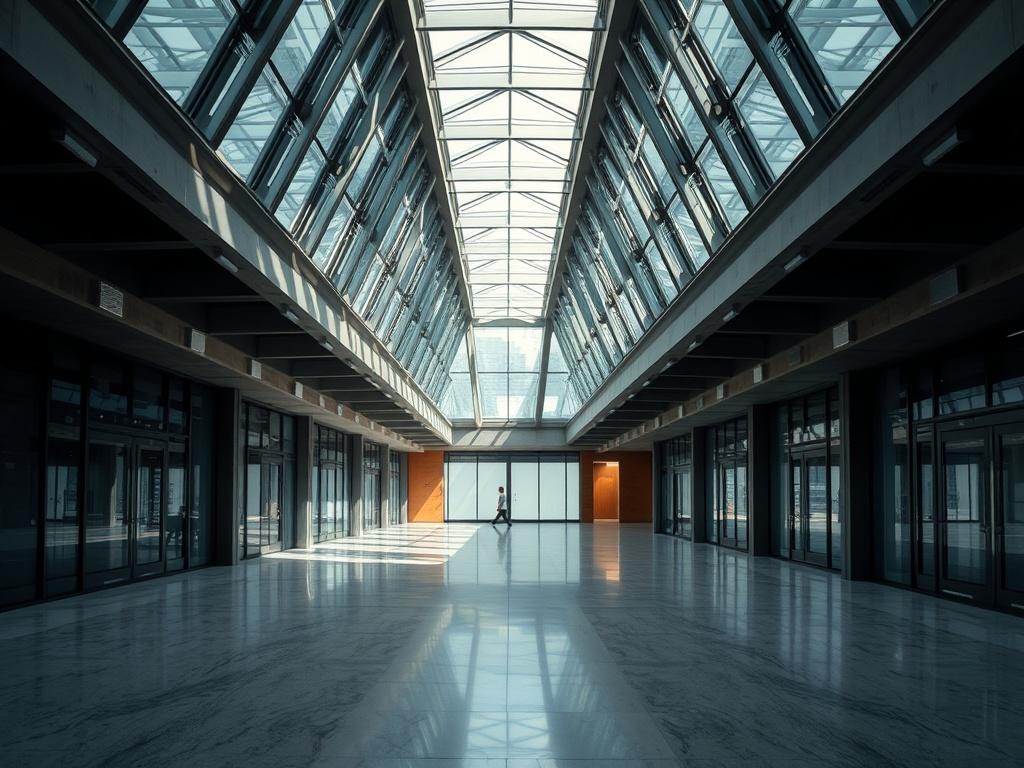
Looking ahead, three trends will shape how psychological insights are incorporated into architecture: digital tools that refine predictions, stronger commitments to equity and inclusion, and the need to adapt spaces to climate realities. Each introduces both opportunities and ethical challenges.
Technology like AI and sensor networks can personalize environments to individuals’ needs, but they raise privacy concerns. Similarly, climate-adaptive design will require balancing environmental performance with psychological comfort—think shading strategies that reduce heat without making interiors gloomy.
Adaptive environments and personalization
Smart buildings that adjust lighting, temperature, and acoustics in response to occupant preferences promise to improve comfort and productivity. The trick will be to maintain user control and transparency so occupants don’t feel manipulated by invisible algorithms.
Personalization can also deepen a sense of belonging if it supports diverse needs—adjustable acoustics for neurodivergent individuals, for instance, or lighting presets for different tasks.
Equity and spatial justice
Designers have a responsibility to ensure that psychological benefits of architecture are distributed fairly. Access to daylight, safe public spaces, and restorative green areas is often unequal across neighborhoods. Addressing these disparities is both an ethical imperative and a public health concern.
Community-engaged design practices and policy interventions can help redirect resources to underserved areas, improving collective wellbeing through spatial interventions.
Practical checklist for designers and clients
Below is a compact checklist to use during project planning and review. It distills the themes discussed into actionable questions to ensure that human experience guides technical choices.
- Have you studied actual user behavior and preferences through observation or interviews?
- Does the layout provide a clear hierarchy of spaces with understandable thresholds?
- Is daylight optimized without causing glare or overheating?
- Are there acoustic strategies for both privacy and collaboration?
- Do materials and textures support the intended atmosphere and maintenance needs?
- Is there a balance of open and enclosed spaces to allow personal choice?
- Have you included flexible elements to support future change?
- Are restorative elements—views, plants, nature—integrated where possible?
- Have accessibility and cultural norms been explicitly considered and tested?
- Will you commit to a post-occupancy evaluation and iteration process?
This checklist is meant to prompt conversation and refinement, not to replace deep design thinking. Use it to surface assumptions and align client expectations with user needs.
Final thoughts on the craft of shaping human experience
Architecture has always been a conversation between the material world and the human mind. When designers listen closely to how people perceive, move, and relate, buildings become instruments for wellbeing rather than mere enclosures. The subtle choreographies of light, sound, scale, and sequence are where architecture exercises its greatest influence.
Whether you are a client, a student, or someone curious about the places you inhabit, paying attention to the psychological dynamics of space changes how you see the built environment. Small, deliberate choices add up. Thoughtful design does not promise perfection, but it can reliably tip the balance toward spaces that invite, sustain, and restore.