
Coins sit quietly in drawers and jars, carrying small portraits, dates and decades of history. Learning what they might be worth is less about luck and more about careful observation, reliable research, and a few simple habits. This guide will walk you through identification, grading, research sources, selling options and preservation so you can move from curiosity to informed decisions.
Why some old coins are valuable
Value comes from a mix of scarcity, demand and condition. A coin value checker minted in limited numbers, struck with an error, or tied to a popular series will attract collectors who are willing to pay a premium.
Historical interest also matters: coins that tell a story — a short-lived design, a dramatic year, or a connection to a notable event — often command attention beyond their metal content. Bullion value can matter, but for most collectible coins the collector market far outweighs intrinsic metal value.
Basic identification: what to look for first
Begin with the obvious: date, mint mark, denomination and country of origin. These four elements narrow the field dramatically and often explain why two visually similar coins have very different values.
Use a loupe or magnifier to read small mint marks and tiny details on the surface. Also note the metal color and weight; gold, silver and base-metal pieces answer different collector questions and have different price drivers.
Photograph both sides and any unique marks, damage or toning. Good images make it easier to ask for opinions on forums or to get remote appraisals without repeatedly handling the coin.
Grading and condition: the single most important factor
Condition controls price more than almost any other single attribute. A well-preserved coin in high grade can be worth ten or a hundred times the same date in poor condition.
Grading uses standard categories — from Poor and Good through Fine and Extremely Fine up to Mint State and Proof grades. Small marks, worn high spots, and surface disturbances make measurable differences in market value.
| Grade | Typical description |
|---|---|
| Poor (P) | Very worn; date and legend may be partly missing |
| Good (G) | Heavy wear but major features visible |
| Fine (F) | Moderate wear; design elements clear |
| Extremely Fine (EF/XF) | Light wear on high points; most detail preserved |
| About Uncirculated (AU) | Very slight traces of wear; almost full original luster |
| Mint State (MS) | No wear from circulation; graded 60–70 |
Professional grading by services like PCGS or NGC can boost buyer confidence, but it also carries fees. For many everyday coins, learning to estimate grade yourself and comparing to auction photos is sufficient.
How to research market prices effectively
Start with price guides to get a baseline, then verify with recent sale data. Catalog values often represent ideal retail or ‘book’ prices, while sold auctions show what buyers actually paid that day.
Use multiple sources: major auction houses, online marketplaces (look at completed listings), dealer price lists, and reputable collector sites. Cross-referencing prevents being misled by an outdated price or a single inflated listing.
Keep a running spreadsheet or notebook for coins you check regularly so you can spot trends. Market interest shifts slowly but noticeably; a coin that was inexpensive five years ago may become collectible and rise in value.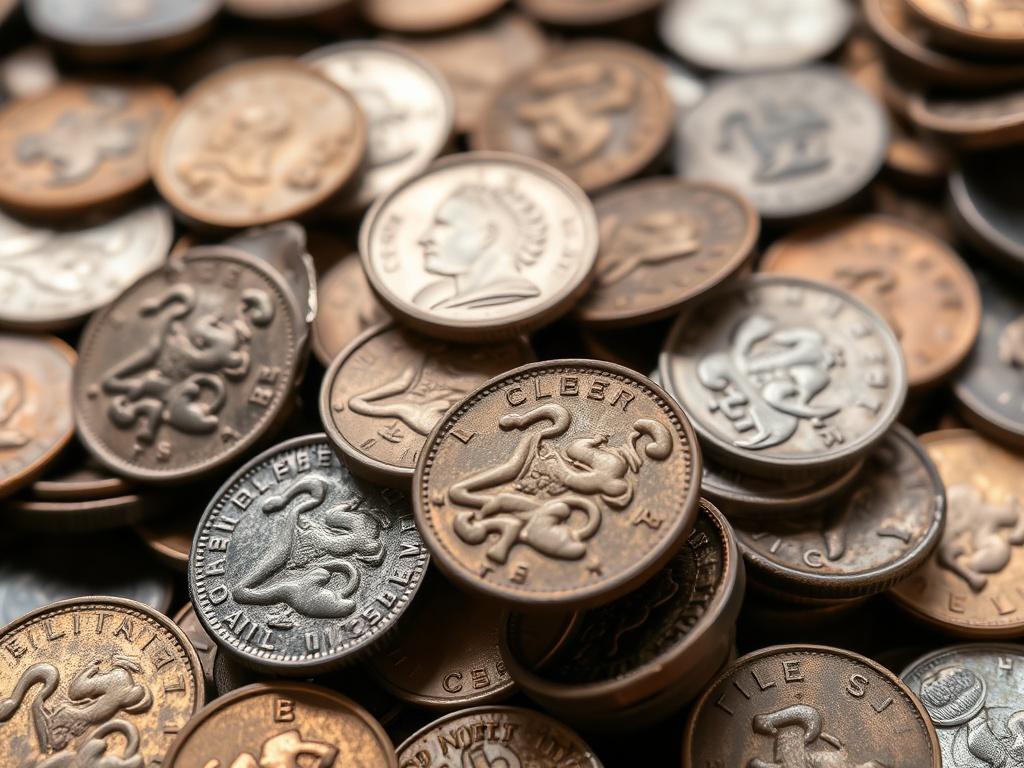
Tools and resources worth using
A magnifier, a digital scale (accurate to 0.1 grams), calipers and a soft light give you reliable, objective data. Weight and diameter can confirm metal content or detect altered pieces and counterfeits.
Online resources worth bookmarking include PCGS, NGC price guides, Heritage Auctions, and the American Numismatic Association’s learning pages. For research on unusual varieties, specialized collector forums and reference books remain invaluable.
- PCGS and NGC (certified population, price guides)
- Heritage, Stack’s Bowers (auction records)
- eBay completed listings (real-world sale prices)
- American Numismatic Association (education and local chapters)
When to seek professional authentication or grading
If you suspect a coin is rare, extremely valuable, or possibly counterfeit, professional authentication is a sensible next step. Slabbing by an independent grading service can increase transparency when you sell and often attracts serious bidders.
Balance the upside against the cost: submission fees, potential shipping and insurance add up. For coins with uncertain value under a few hundred dollars, a local reputable dealer’s opinion or a well-informed online appraisal may be more economical.
At large coin shows, I’ve seen dealers give free verbal evaluations that proved reliable for common dates. For high-value or rare items, however, I always recommend third-party certification before final sale.
Selling options and what to expect
You can sell through auctions, dealers, online marketplaces, consignment, or private sales — each carries different fees, speed and price expectations. Auctions and consignment typically reach dedicated collectors and can drive higher prices, but they take time and charge commissions.
Dealers offer speed and convenience but will buy at wholesale levels. Online marketplaces let you reach a broad audience, but you’ll need excellent photos, crisp descriptions, and careful shipping practices to get top dollar.
- Auction: widest market, higher final prices, commissions apply.
- Dealer sale: fast and simple, likely lower price than auction.
- Online sale: control over listing, variable final result depending on presentation.
- Private sale: possible premium for matching the right buyer, requires patience and vetting.
Document everything: photos, provenance, and any grading reports. Clear records reduce disputes and make buyers more confident in a transaction.
Preserving value: handling and storage
Handling is a small habit with big consequences. Oils from fingers, rough surfaces and poor storage can create scratches, toning or corrosion that reduce value markedly.
Use cotton gloves or hold coins by their edges, and avoid cleaning them. Amateur cleaning is one of the fastest ways to destroy a collectible’s value because it removes original surfaces and often leaves scratches or chemical residues.
For storage, inert materials are best: Mylar flips, archival-quality holders or sealed slabs for graded coins. Keep coins in a stable, low-humidity environment away from direct sunlight to minimize chemical changes in the metal.
Common pitfalls and scams to avoid
Counterfeit and altered coins are a persistent problem, especially for high-value gold and silver pieces. Look for inconsistent weight, off-center strike, or poor detail compared with verified examples.
Beware of sellers who pressure you to buy quickly or who provide vague provenance. Overgrading — where a seller claims a much higher grade than the coin deserves — is another frequent buyer complaint.
Watch out for “too good to be true” offers on social media and online marketplaces. When possible, verify the sale using third-party records or get a second opinion from an experienced dealer before transferring funds.
A practical checklist for checking the value of old coins
Use a consistent, step-by-step approach when assessing any coin. This reduces mistakes and speeds up your research process over time.
- Record the date, denomination and mint mark; take clear photos of both sides.
- Weigh and measure if you can, and note metal color and any unusual features.
- Estimate condition using a standard grading chart and compare to auction photos.
- Search price guides and recent sold listings for similar grade and variety.
- Decide if authentication is needed based on the coin’s potential value.
- Choose a sales method and prepare documentation for potential buyers.
When I started collecting, a jar of mixed coins led to a 1921 silver dollar that caught my attention. After photographing, weighing and cross-checking sold listings, I learned it was a scarce date in high demand and took it to a local auction house. The process took patience, but getting the coin authenticated and sold through the auction netted a price well above the dealer offers I had received.
Practical examples: what common finds might be worth
Not every old coin is a treasure, but some categories regularly surprise finders. Key-date Lincoln cents, early 20th-century Buffalo nickels, Morgan and Peace dollars, and pre-1933 U.S. gold coins often draw collector attention even when not rare.
For example, a common Mercury dime in average circulated condition might fetch only a few dollars, while a 1916-D Mercury dime in high grade can be worth hundreds or more. The gap between common and key-date examples illustrates why careful identification and grading matter.
Final thoughts and next steps
Checking the value of old coins becomes easier with practice and a few reliable tools. Start small, learn to grade by comparing actual auction photos, and build a set of trusted information sources.
Keep records, handle coins respectfully, and when in doubt seek a second opinion. With that approach, an afternoon sorting through a jar of coins can turn into an informative and sometimes rewarding adventure.